Leave No Traces
dir. Jan P. Matuszyński · 2021
The struggle for truth and justice in the face of oppressive authority is a fundamental aspect of the human experience.
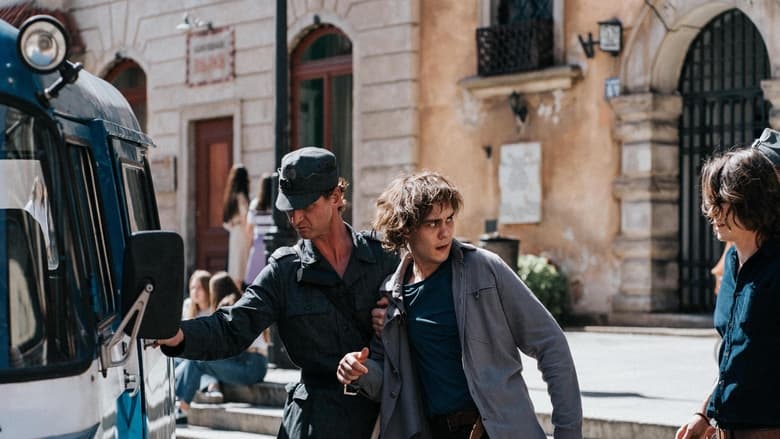
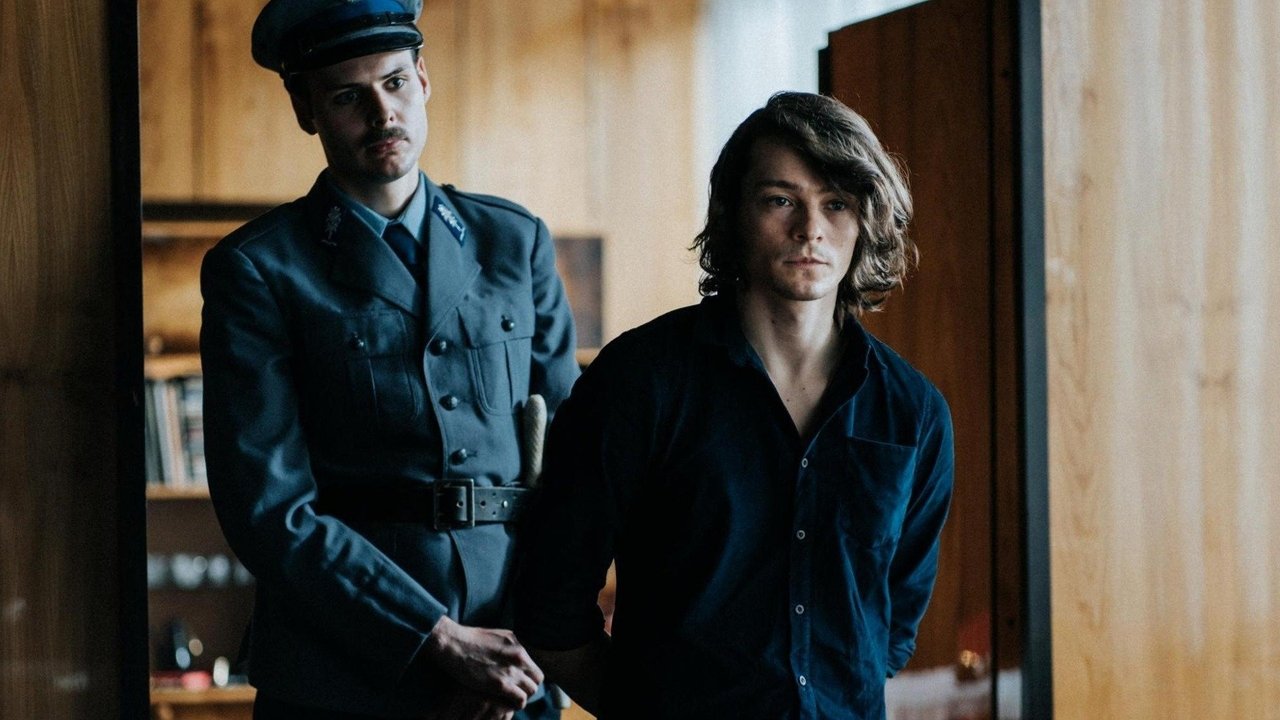
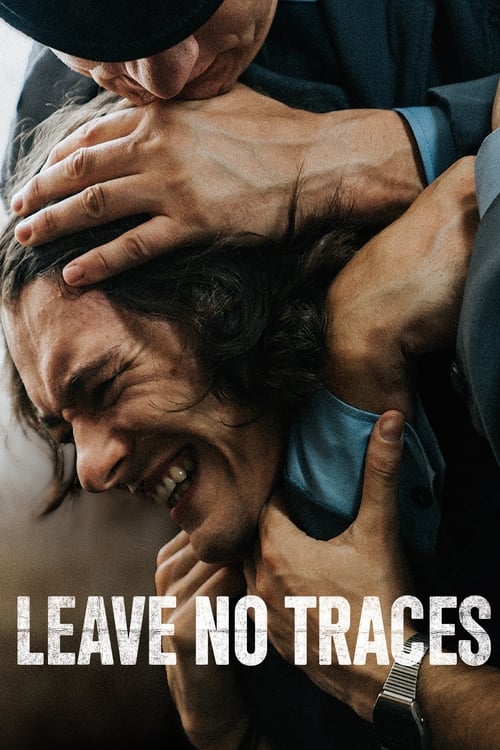
Grzegorz Przemyk is brutally beaten by police, a victim of the oppressive regime that seeks to silence dissent in 1983 Poland. As his mother and friend Jurek Popiel grapple with the aftermath, the film immerses viewers in a world where truth is a fragile commodity, and the fight for justice becomes a perilous endeavor. Watching it is like navigating a dark labyrinth of moral complexities, where every choice carries weight and the specter of state violence looms large.
Poland, 1983. Despite the suspension, the martial law imposed by the communist authorities, aimed at suppressing the Solidarity opposition, is still in force in the country. On May 12, Grzegorz Przemyk, son of the opposition poet Barbara Sadowska, is arrested and badly beaten by a police patrol. Przemyk dies after two days of agony. The only witness to the fatal beating is one of Grzegorz's colleagues, Jurek Popiel, who decides to fight for justice and to testify against the police. Initially, the state apparatus, including the Ministry of the Interior, downplays the case. However, when over 20 thousand. People will march through the streets of Warsaw behind Przemyk's coffin, the authorities decides to use any tools against the witness and the deceased's mother to discredit them and prevent Jurek from testifying in court.
Talking points
- the role of the individual against state power
- the impact of collective grief on social movements
- the ethics of whistleblowing
- the portrayal of historical events in cinema