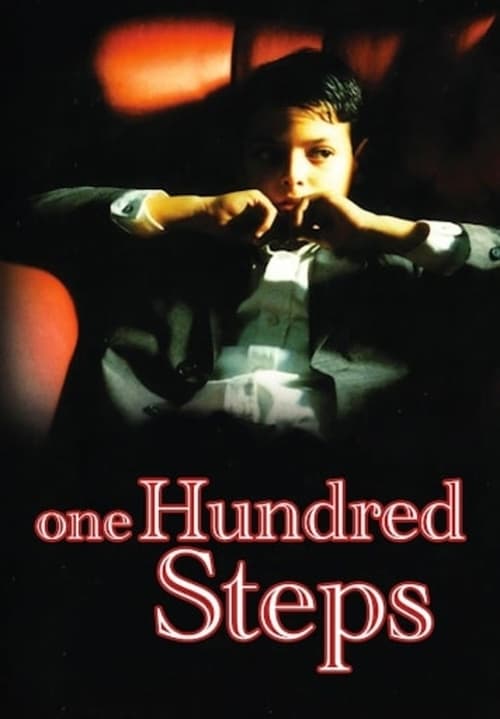
One Hundred Steps
dir. Marco Tullio Giordana · 2000
Standing up against powerful forces, even at great personal risk, is a vital part of living authentically and fighting for justice.
"One Hundred Steps" masterfully intertwines humor and tragedy, depicting a young man's audacious quest to dismantle the Mafia's grip on his community through the power of pirate radio. With poignant irony and a compelling coming-of-age narrative, this film invites viewers to reflect on the intersection of personal freedom and societal oppression.
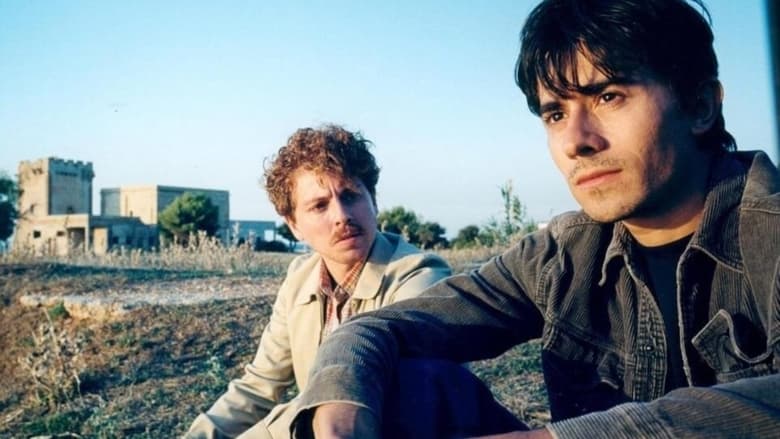
Peppino Impastato is a quick-witted lad growing up in 1970s Sicily. Despite hailing from a family with Mafia ties and living just one hundred steps from the house of local boss Tano Badalamenti, Peppino decides to expose the Mafia by using a pirate radio station to broadcast his political pronouncements in the form of ironic humour.
Full synopsisspoilers
"I cento passi" (one hundred steps) was the distance between the Impastatos' house and the house of Tano Badalamenti, an important Mafia boss, in the small Sicilian town of Cinisi. The movie is the story of Peppino Impastato, a young left-wing activist who in the late seventies (when almost nobody dared to speak about the Mafia, and several politicians maintained that the Mafia did not even exist) repeatedly denounced Badalamenti's criminal activities and the whole Mafia system, by using a small local radio station to broadcast his political pronouncements in the form of ironic humour. In 1978 Peppino (30 years old) was killed by an explosion.
The police archived the case as an accident or a suicide, but his friends never accepted this conclusion. Note: This is a true story. More than twenty years after Peppino's death, the case has been re-opened. Tano Badalamenti, meanwhile, has been convicted in the USA for drug trafficking.
Talking points
- the role of media in social justice
- generational conflict within families
- the impact of humor in political statements
- the challenges of confronting organized crime