1 P.M.
dir. Jean-Luc Godard, D. A. Pennebaker, Richard Leacock · 1971
Life is a complex interplay of personal expression and societal context, revealing the tension between individual ideals and the realities of the world.
A group of influential figures from the sixties gather to discuss their visions for change, but the air is thick with the realization that the revolution they anticipated has yet to materialize. Watching this film feels like stepping into a time capsule, where the hopes and disillusionments of a generation unfold through candid conversations and unfiltered moments, leaving viewers to ponder the complexities of cultural dislocation and the moral ambiguities of activism.
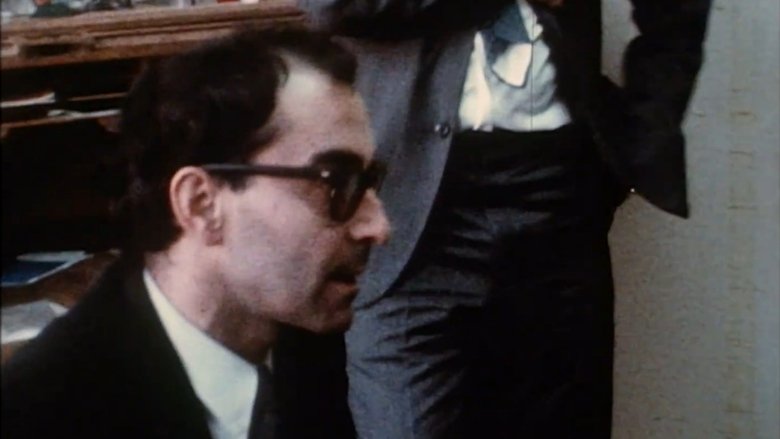
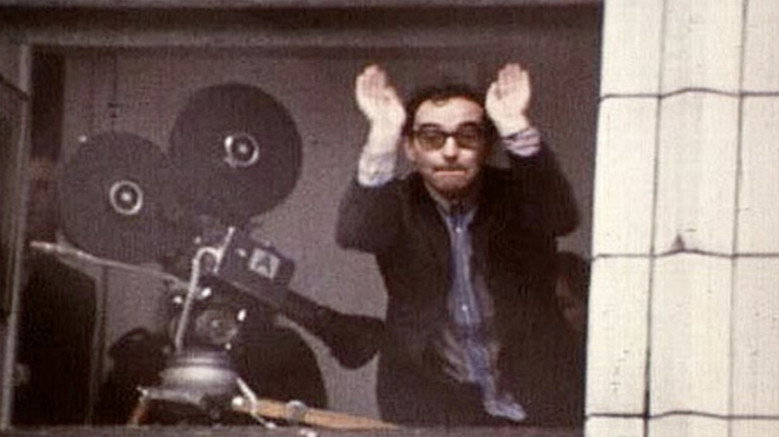
Lighter and livelier than the films Jean-Luc Godard had made in France, his U.S. collaboration with Direct Cinema documentarian D. A. Pennebaker was meant to be One A.M., as in “one American movie”; but Godard quit the project and the U.S., where to his dismay he discovered that revolution wasn’t imminent, and Pennebaker edited Godard’s material, to which he and Richard Leacock even added a bit more, releasing the result as One P.M., as in “one parallel movie.” It’s a stunning mixture of cinéma-vérité, political theater, and interviews of key sixties figures.
Talking points
- the role of documentary in political discourse
- the impact of the sixties on contemporary culture
- the ethics of representation in film
- the intersection of art and activism