cinéma vérité
59 titles · 1958–present · France / International
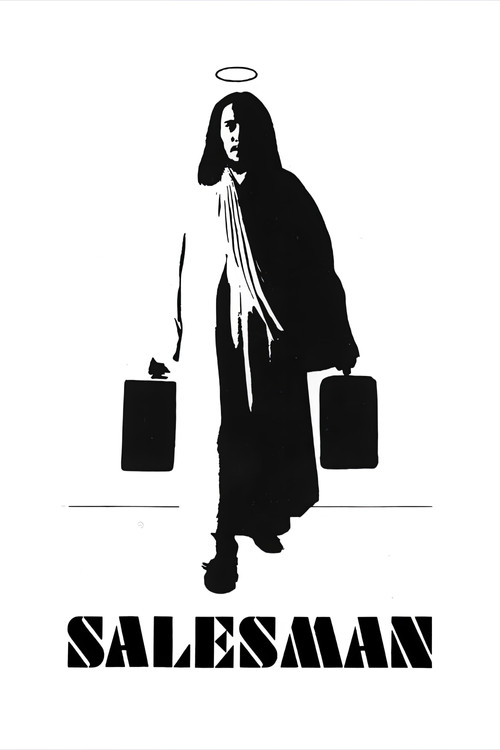
From about 1958, cameras light enough to carry and sound that could run in sync with them let a crew work without a script, a studio, or enough people in the room to be noticed. Edgar Morin coined the name for what that made possible around Chronicle of a Summer in 1961, cinéma vérité, camera-truth, and the film argues with its own method inside itself: Rouch and Morin ask factory workers and shopgirls about their lives, then screen the footage back to the same people to ask whether the camera had caught anything true. The Americans who picked up the same equipment mostly dropped that argument and just left the camera running. Salesman stays in the room for a full Bible pitch, four door-to-door salesmen working small-town America with nobody narrating who is about to lose the sale. Titicut Follies turns the same method on the state prison for the criminally insane at Bridgewater, guards and psychiatrists and patients with nobody there to tell you who is right. Grey Gardens sits with a mother and daughter long enough in their collapsing East Hampton mansion that they stop performing for the crew and start addressing it directly. You get a room, a length of time, and whatever people do while it runs.
Hoop Dreams

Woodstock
Crumb

Grey Gardens

Bob Dylan – Don't Look Back
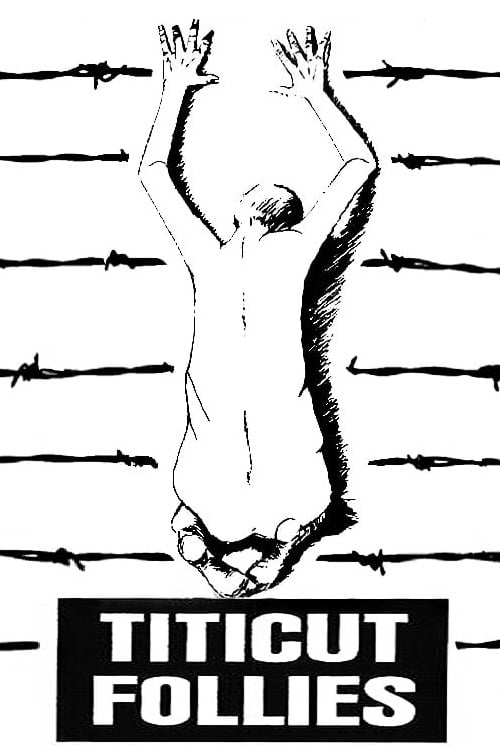
Titicut Follies
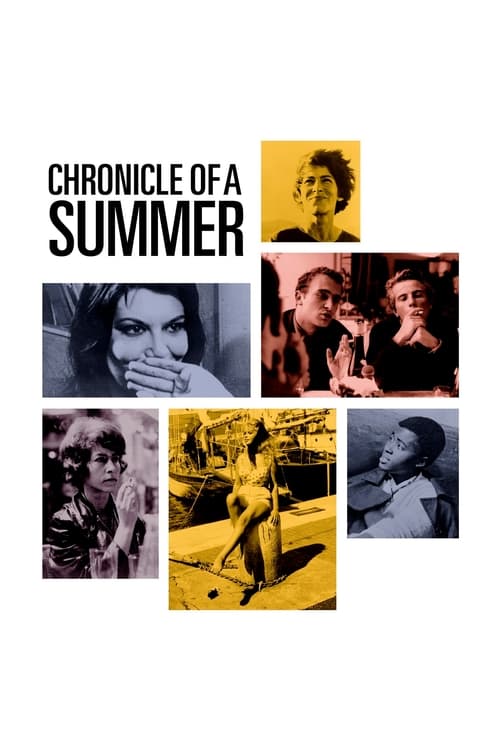
Chronicle of a Summer

Harlan County U.S.A.

Iris
Salesman
Monterey Pop

The War Room

Ex Libris: The New York Public Library

Ziggy Stardust and the Spiders from Mars
National Gallery
Sherman's March

Welfare
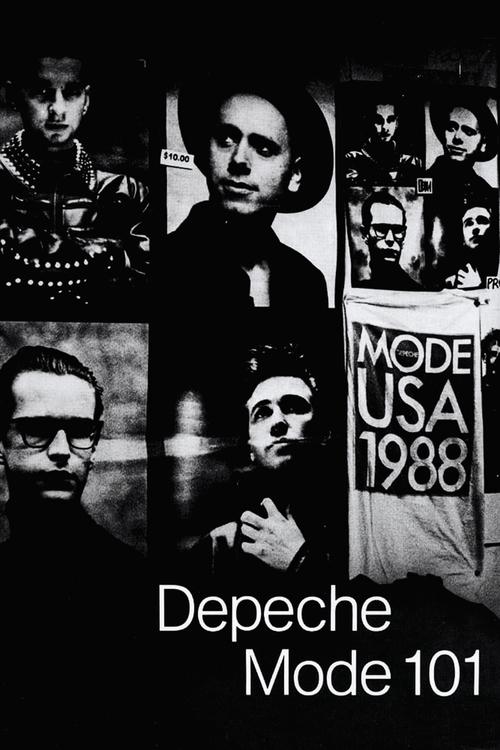
Depeche Mode 101
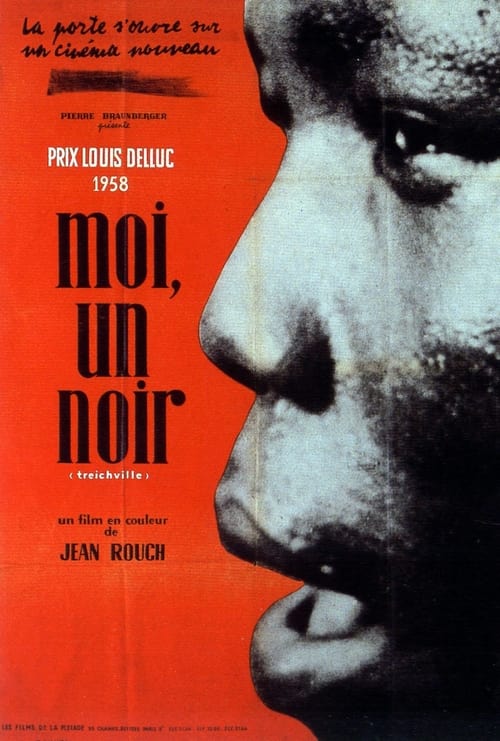
I, a Negro

The Beales of Grey Gardens
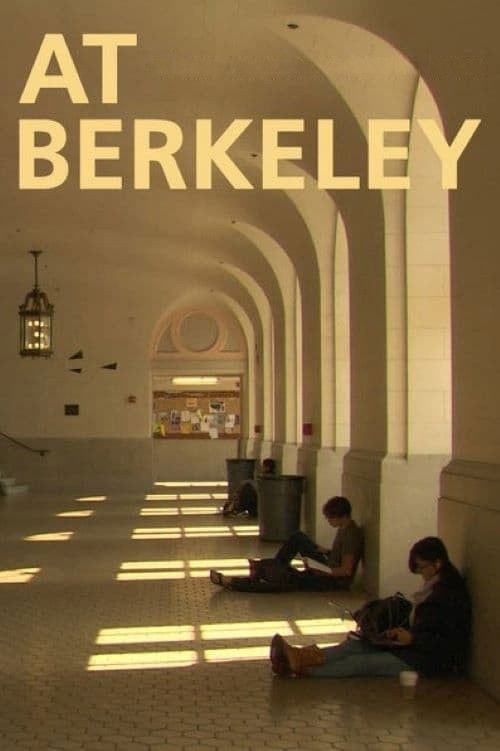
At Berkeley
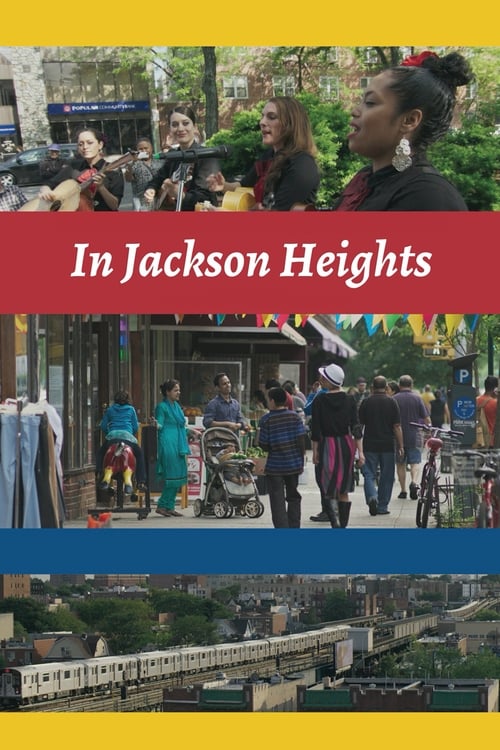
In Jackson Heights

Crazy Horse

Hospital
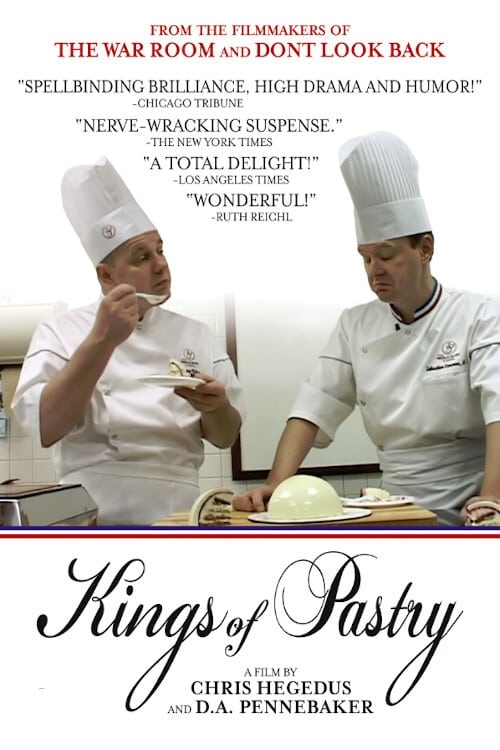
Kings of Pastry

Law and Order
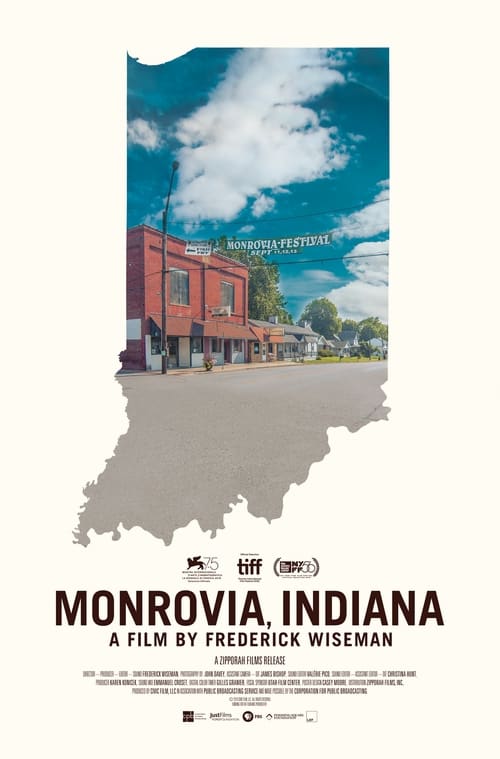
Monrovia, Indiana
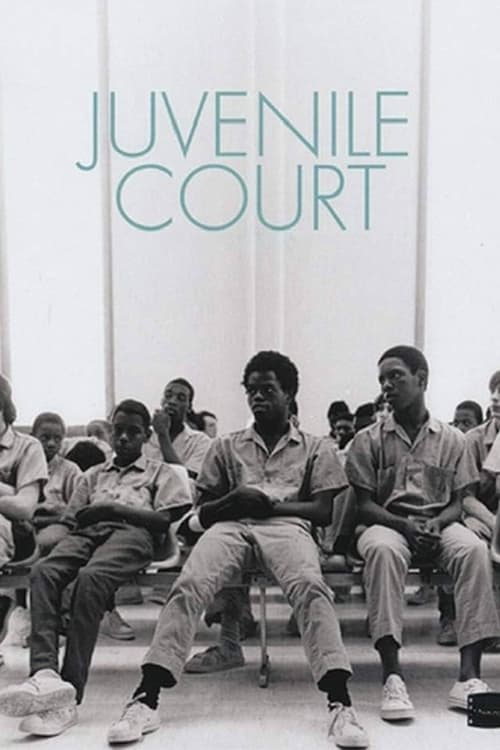
Juvenile Court
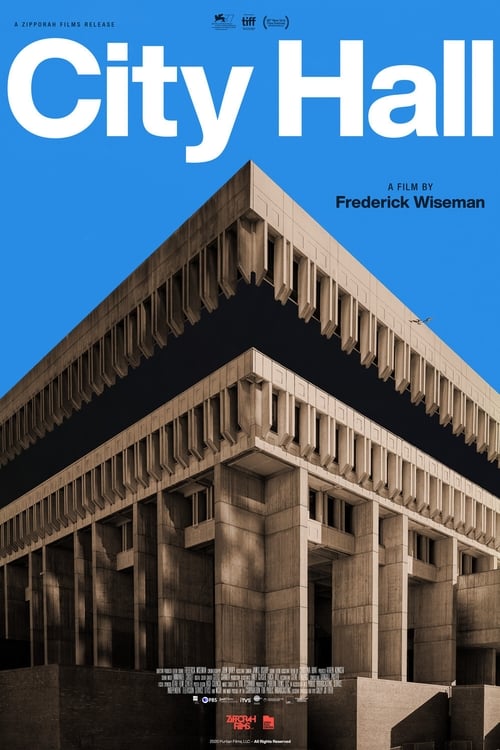
City Hall
Boxing Gym

La Danse: The Paris Opera Ballet
Basic Training
Near Death
The Human Pyramid

The Store
Belfast, Maine

Menus-Plaisirs, les Troisgros

Unlocking the Cage

Little by Little

The Lion Hunters
Town Bloody Hall
Blind
Central Park
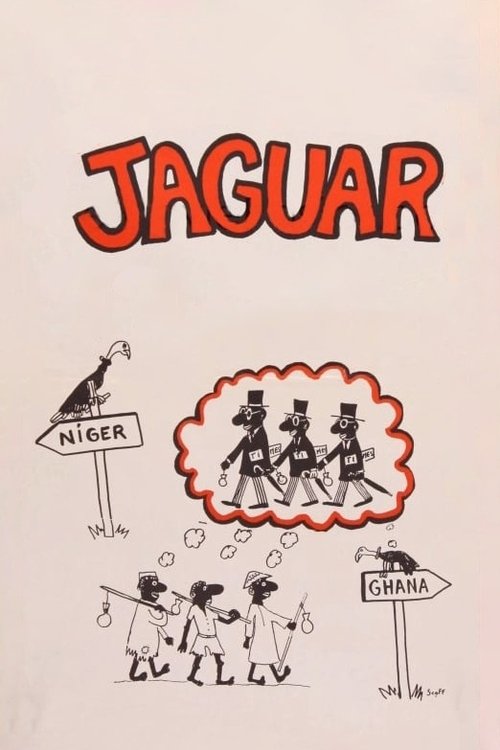
Jaguar
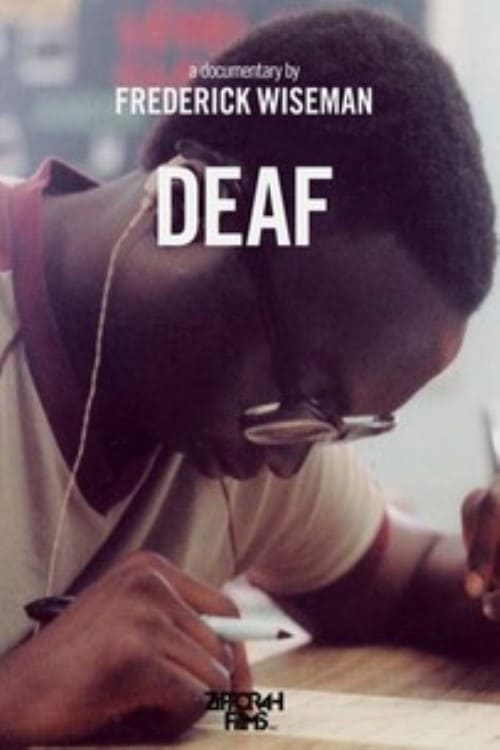
Deaf
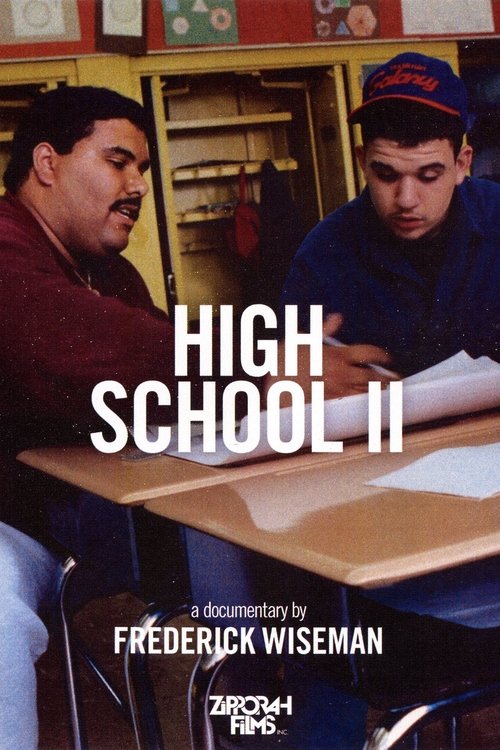
High School II
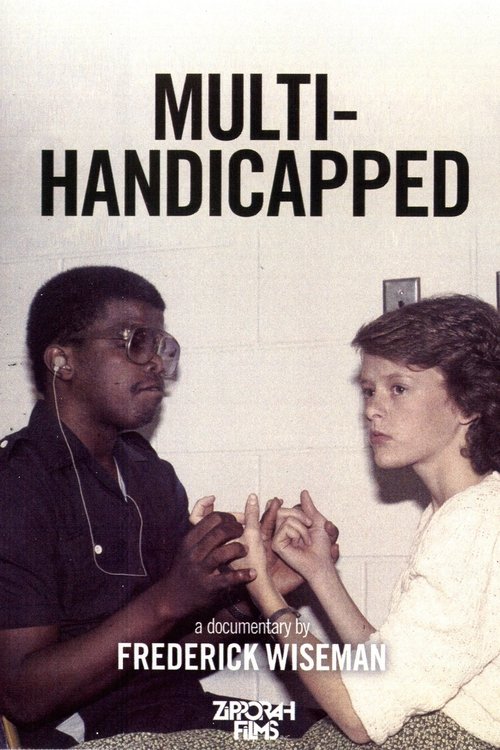
Multi-Handicapped

Public Housing
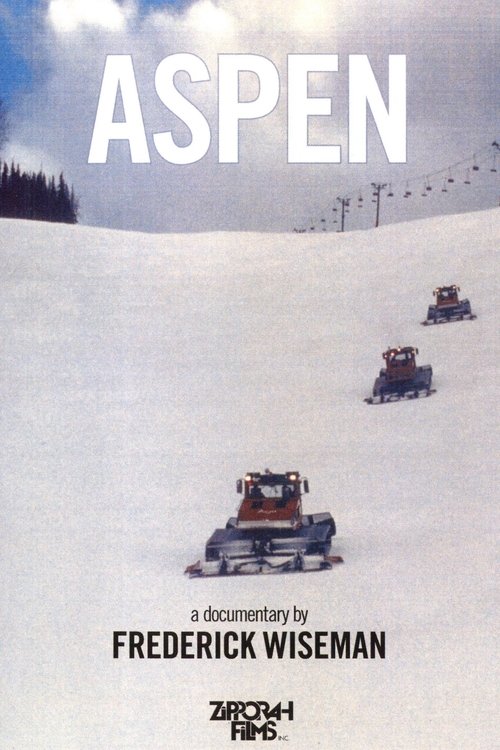
Aspen
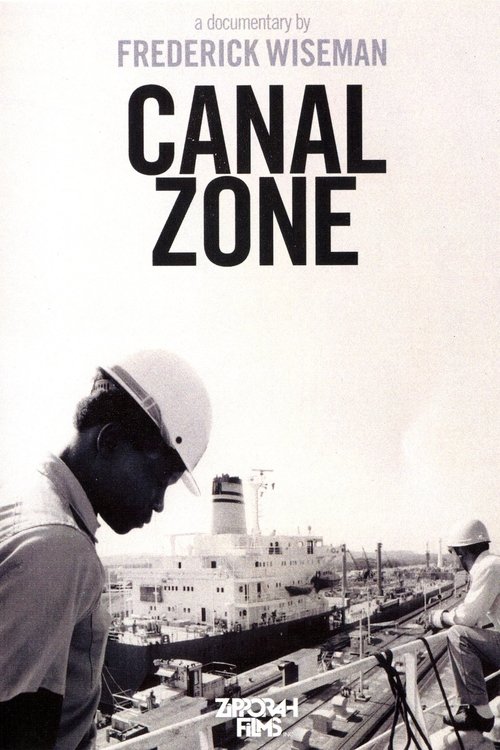
Canal Zone
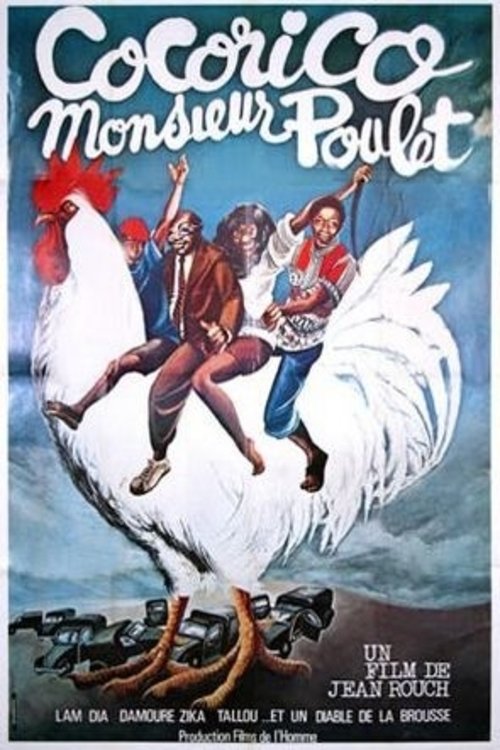
Cock-A-Doodle-Doo! Mr Chicken
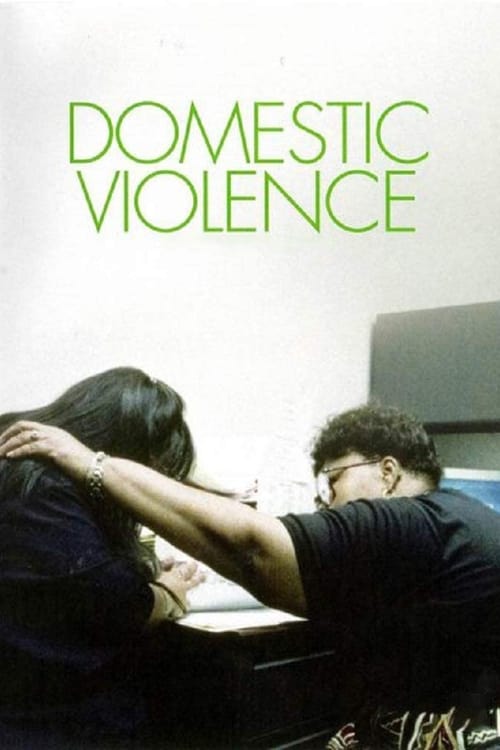
Domestic Violence
Down from the Mountain
Model
The Beatles: The First U.S. Visit

1 P.M.
Ballet

Missile

Racetrack
I, a NegroChronicle of a SummerThe Human PyramidThe Lion HuntersBob Dylan – Don't Look BackTiticut FolliesJaguarMonterey PopSalesmanLaw and OrderWoodstockHospitalLittle by LittleBasic Training1 P.M.Juvenile CourtCock-A-Doodle-Doo! Mr ChickenWelfareGrey GardensHarlan County U.S.A.Canal ZoneTown Bloody HallModelZiggy Stardust and the Spiders from MarsThe StoreRacetrackSherman's MarchBlindDeafMulti-HandicappedMissileDepeche Mode 101Near DeathCentral ParkAspenThe Beatles: The First U.S. VisitThe War RoomHoop DreamsHigh School IICrumbBalletPublic HousingBelfast, MaineDomestic ViolenceDown from the MountainThe Beales of Grey GardensKings of PastryLa Danse: The Paris Opera BalletBoxing GymCrazy HorseAt BerkeleyIrisNational GalleryIn Jackson HeightsUnlocking the CageEx Libris: The New York Public LibraryMonrovia, IndianaCity HallMenus-Plaisirs, les Troisgros