soviet montage
18 titles · 1920–1933 · Soviet Union
On 27 August 1919 Lenin nationalised the Russian film industry and handed it to the People's Commissariat of Education, and the world's first state film school opened in Moscow that year with Lev Kuleshov teaching in it. Kuleshov had already coined the word "montage" in a 1916 essay, and at the school he tested the claim directly: cutting an actor's blank face against a bowl of soup, a baby in a coffin and a woman on a sofa, and finding audiences read a different feeling into the identical shot each time. Eisenstein pushed the idea further, writing that meaning is "an idea that arises from the collision of independent shots." Strike runs the collision on the state's own material: a factory walkout escalates from workers trading demands to informers, hunger and the army arriving, cut so cause and effect land as a single argument. Battleship Potemkin does the same thing at larger scale, cutting a naval mutiny against the public demonstration it draws and the police massacre that answers it, so the support explains the killing before anyone says so. Vertov turned the same tool on the tool itself: Man with a Movie Camera cuts a day in Soviet life against the filming of that day and an audience watching the result.
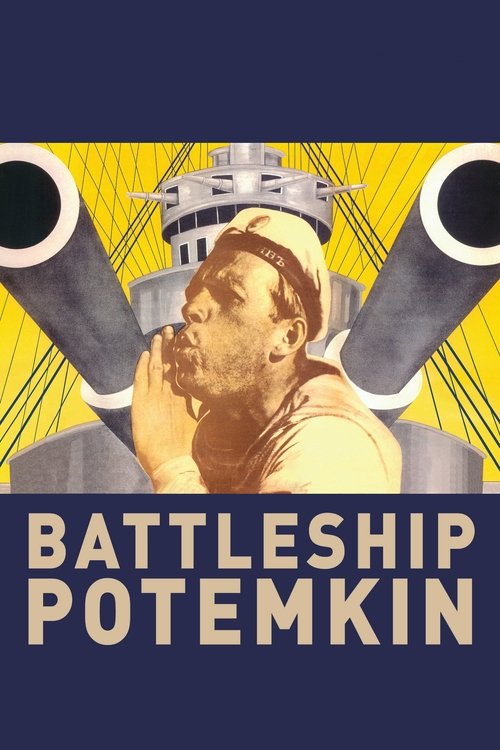
Battleship Potemkin

Man with a Movie Camera
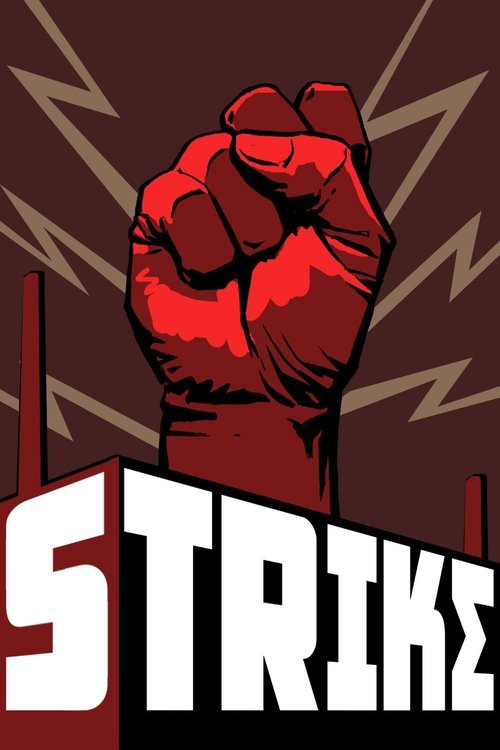
Strike
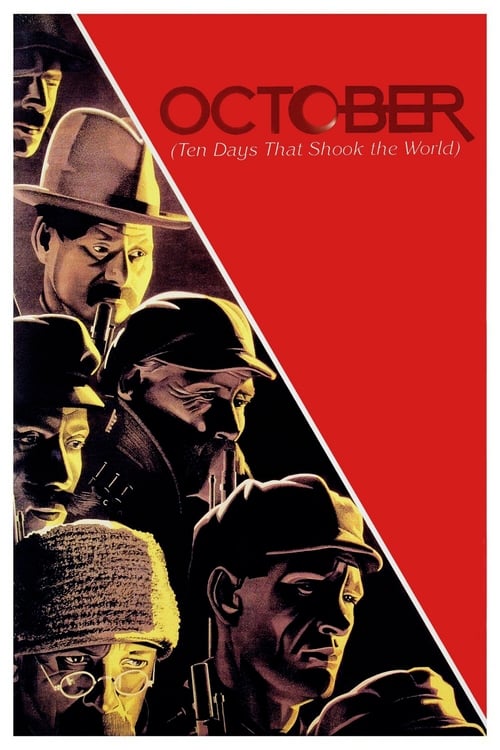
October (Ten Days that Shook the World)
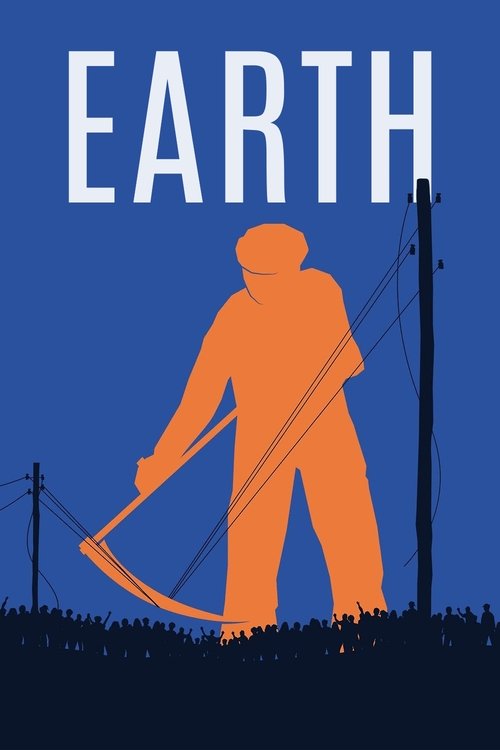
Earth
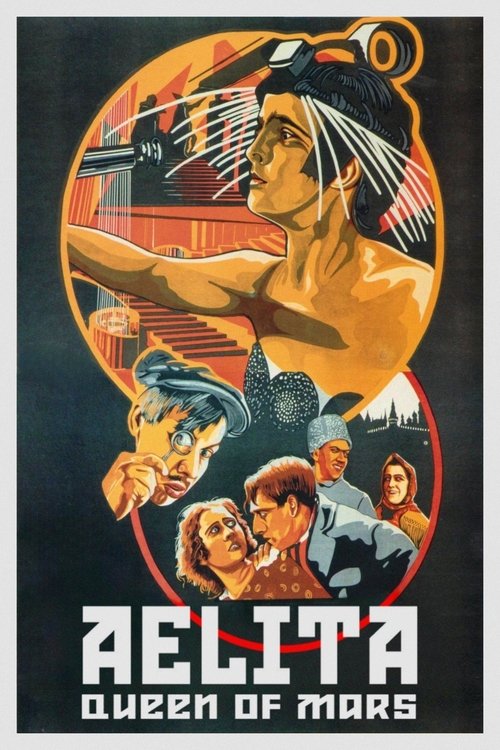
Aelita: Queen of Mars

Storm Over Asia

Arsenal

The General Line
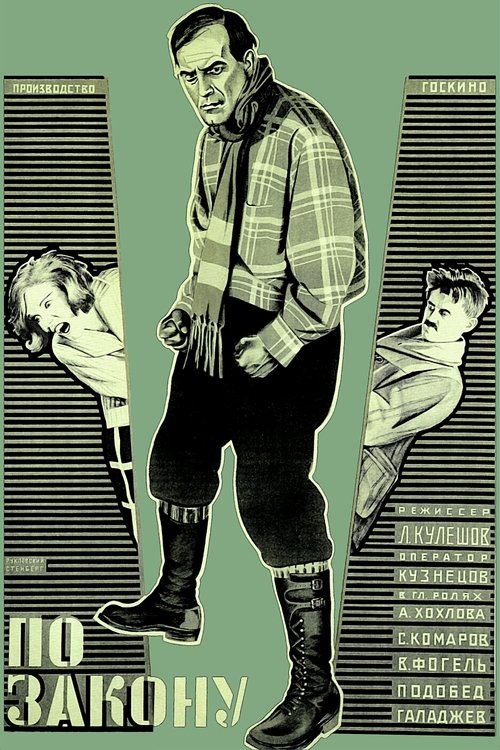
By the Law
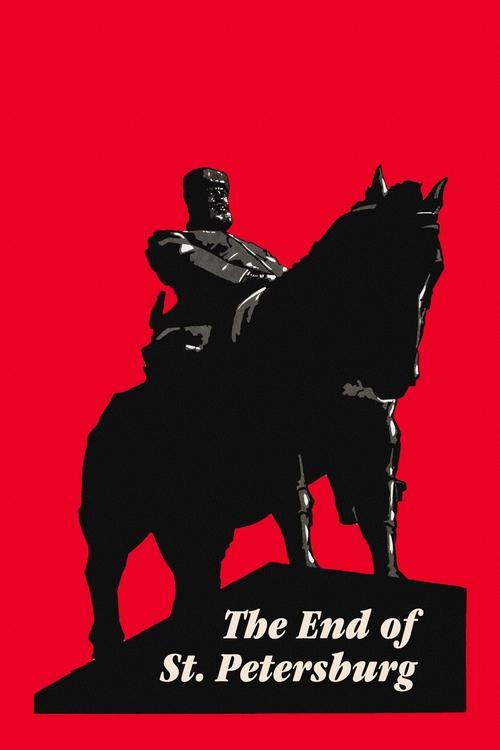
The End of St. Petersburg
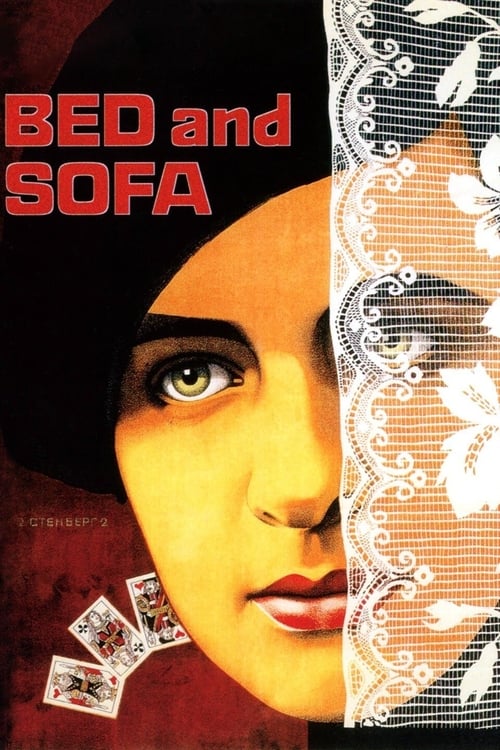
Bed and Sofa

Zvenigora
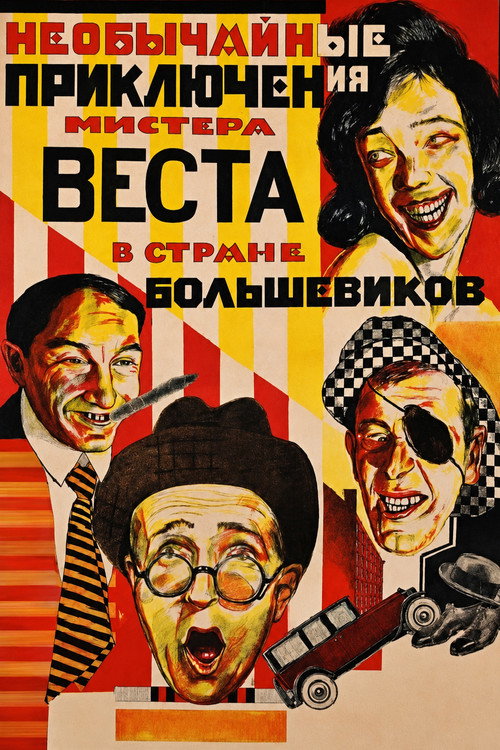
The Extraordinary Adventures of Mr. West in the Land of the Bolsheviks
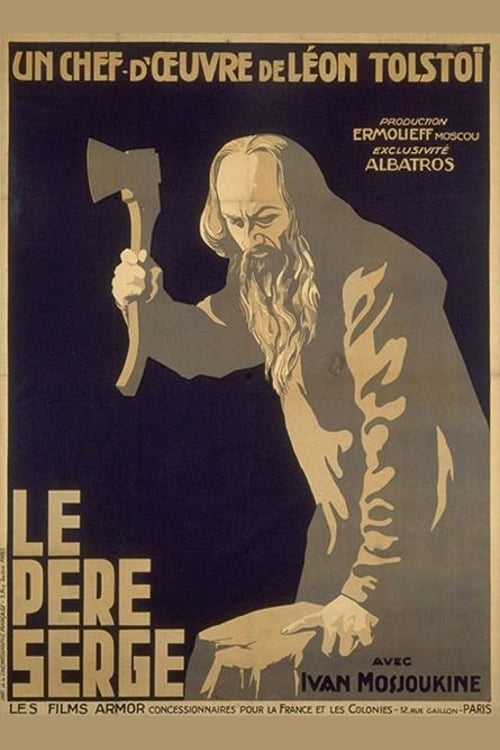
Father Sergius
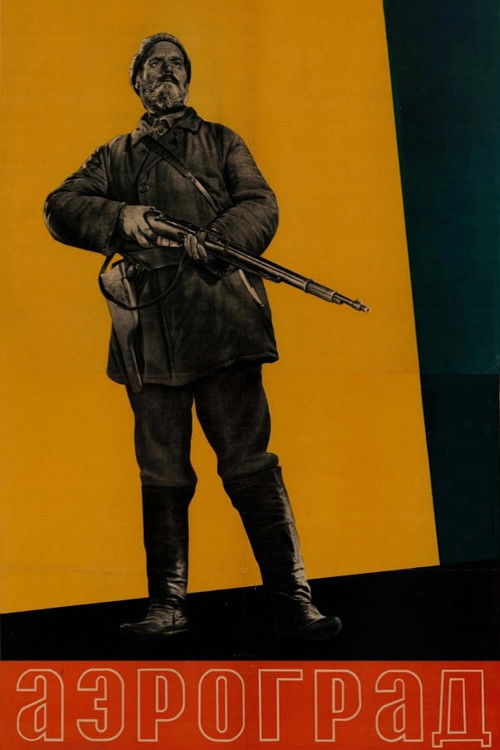
Aerograd
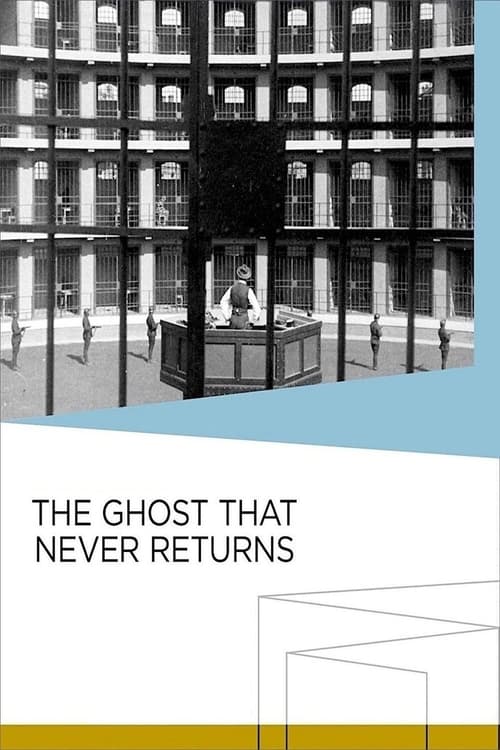
The Ghost That Never Returns
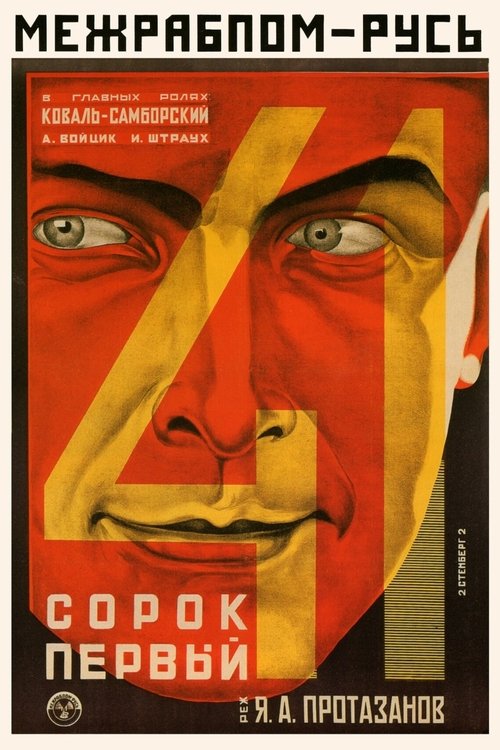
The Forty-First
Father SergiusAelita: Queen of MarsThe Extraordinary Adventures of Mr. West in the Land of the BolsheviksBattleship PotemkinStrikeBy the LawThe End of St. PetersburgBed and SofaThe Forty-FirstOctober (Ten Days that Shook the World)Storm Over AsiaZvenigoraMan with a Movie CameraArsenalThe General LineEarthThe Ghost That Never ReturnsAerograd