german expressionism
25 titles · 1920–1933 · Germany
The term came from Der Sturm, the Berlin gallery and magazine that had spent the 1910s calling Kirchner's and Kandinsky's distorted paintings "Expressionist"; the label crossed over to film when The Cabinet of Dr. Caligari opened in Berlin in 1920 behind a poster campaign announcing "You must become Caligari." Weimar Germany's currency was collapsing through the same years, and the studio shot the film cheap, painting its asylum and rooftops onto canvas flats instead of building or filming them for real, so the crooked world on screen came out of what the studio could afford, and started doing the work of a state of mind instead. Caligari is the clearest case of that trade: a fairground doctor exhibits a sleepwalker he wakes for a few minutes at a time, in rooms whose tilted angles are already telling you not to trust the story before the ending does. Murnau carries the same distortion out of the painted sets and into pure shadow, sending a clerk to sell Count Orlok a house in Transylvania and back to find the danger has followed him home, in Nosferatu. Lang keeps the geometry and drops the gothic subject for a contemporary one: a child killer at the centre of a Berlin manhunt run by the police and the underworld at once, the whole city arranged around one man the way Caligari's asylum was arranged around one story, in M.

Metropolis
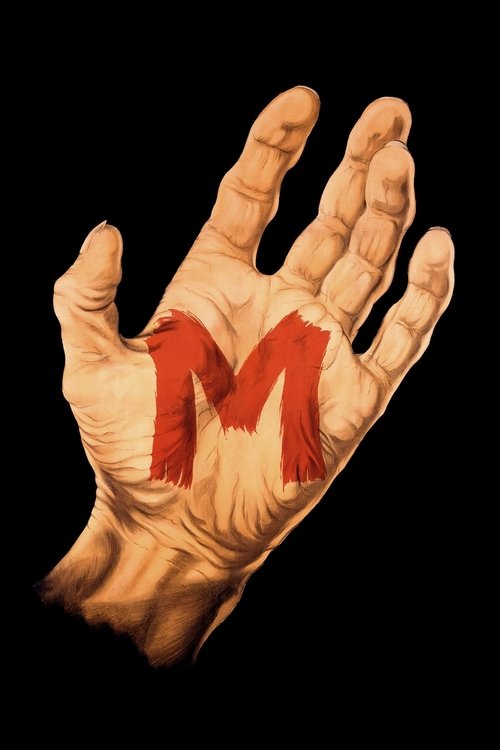
M
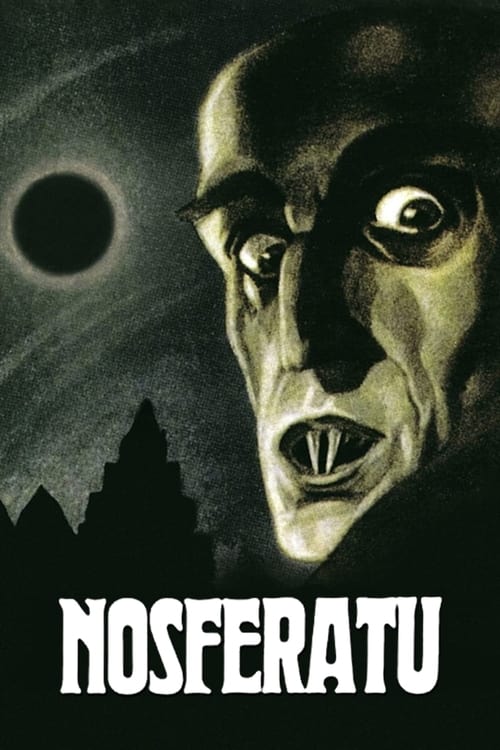
Nosferatu
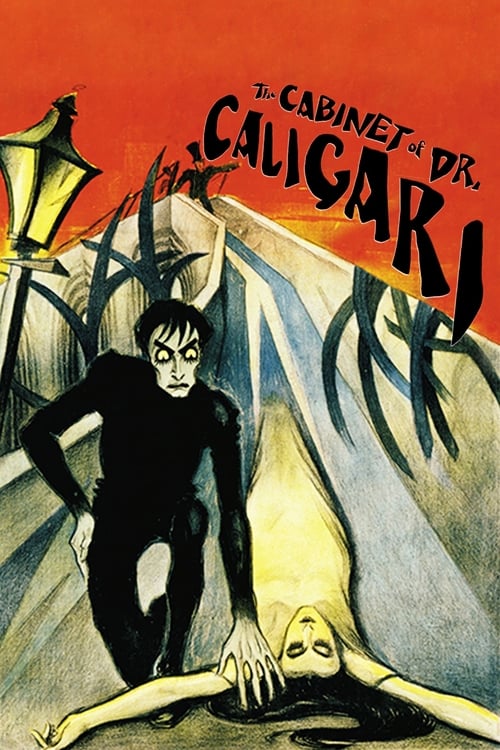
The Cabinet of Dr. Caligari
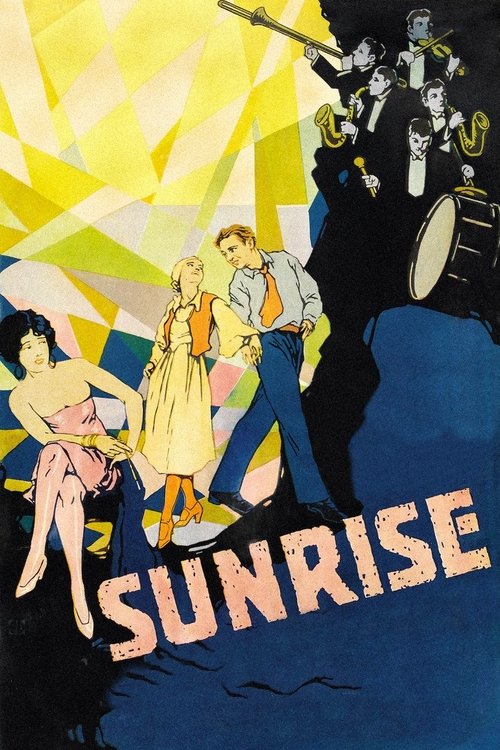
Sunrise: A Song of Two Humans
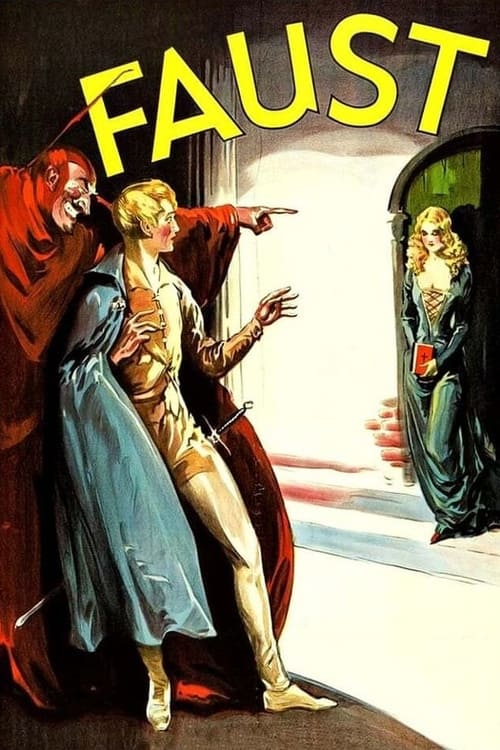
Faust
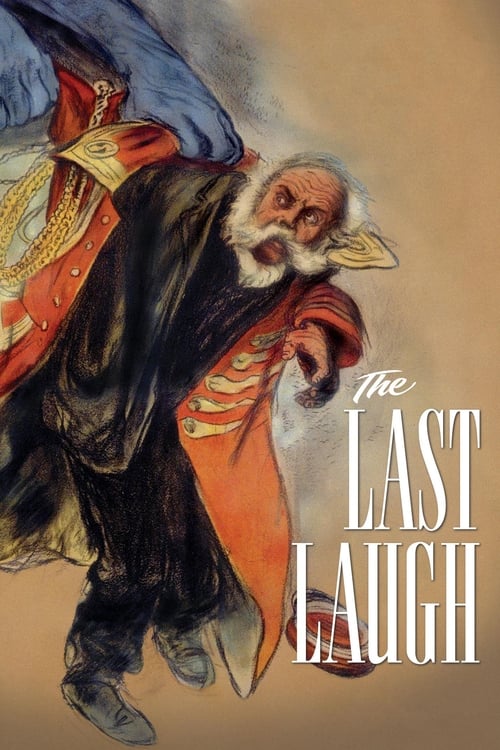
The Last Laugh
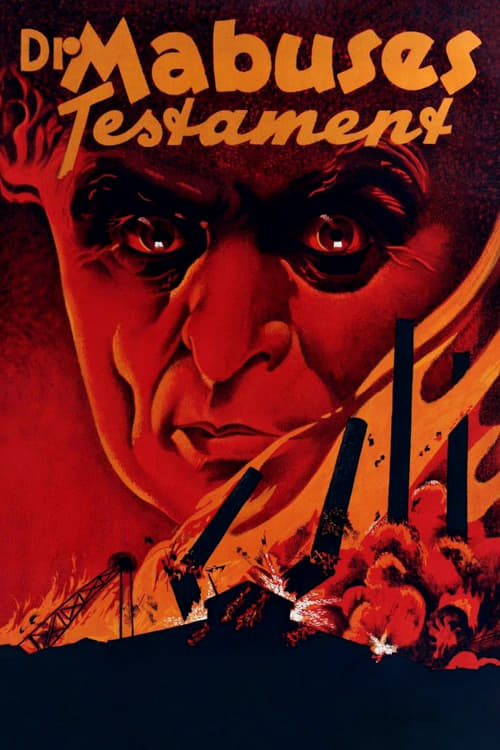
The Testament of Dr. Mabuse

Pandora's Box
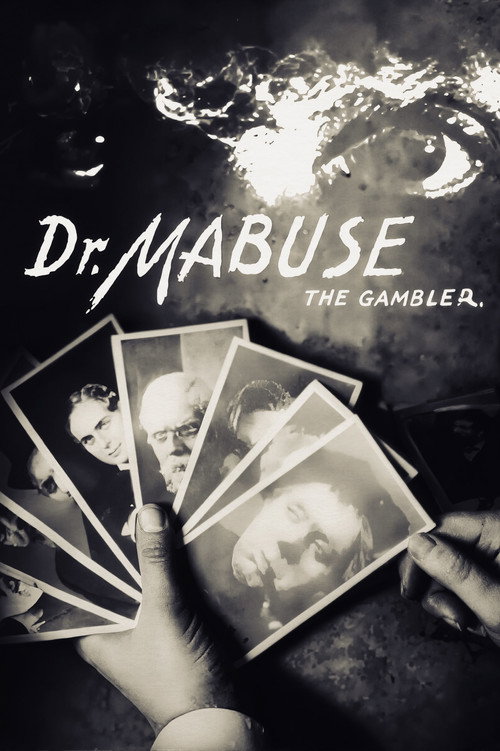
Dr. Mabuse, the Gambler
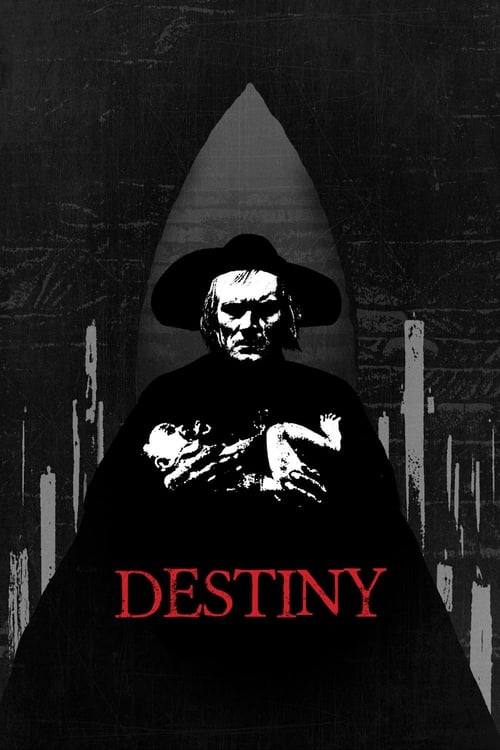
Destiny
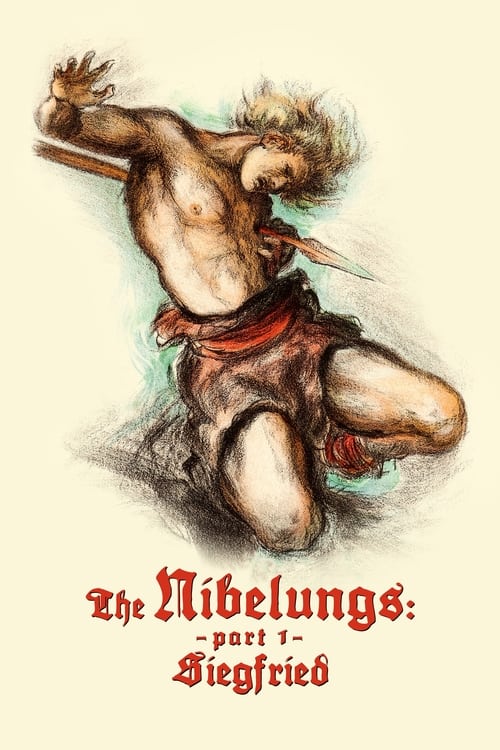
Die Nibelungen: Siegfried

Diary of a Lost Girl
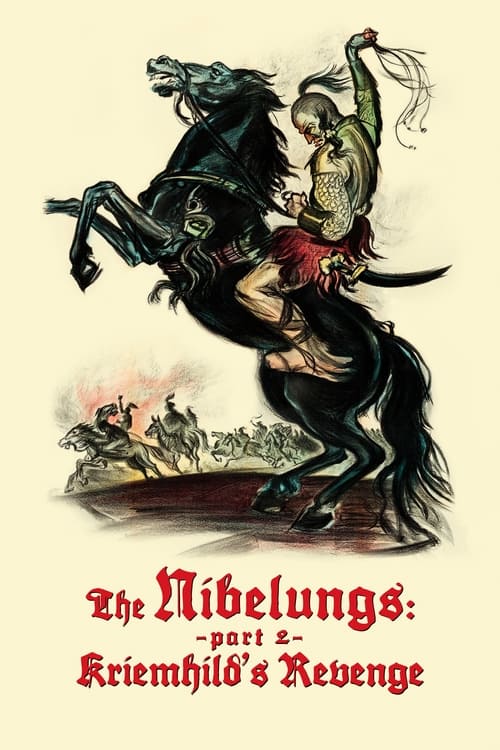
Die Nibelungen: Kriemhild's Revenge
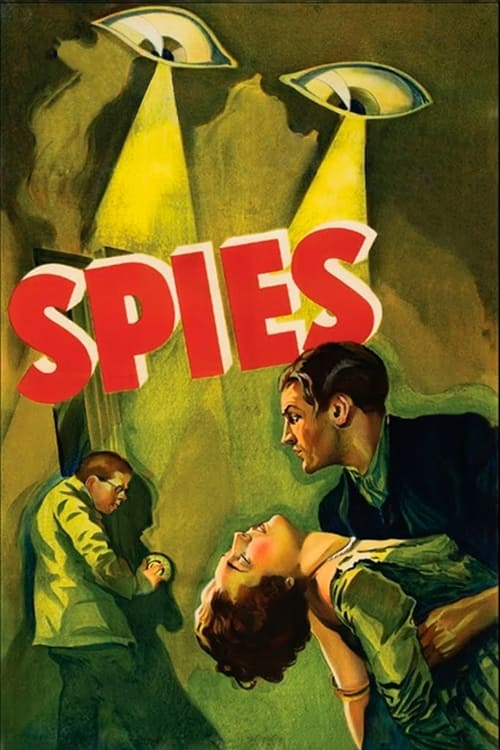
Spies
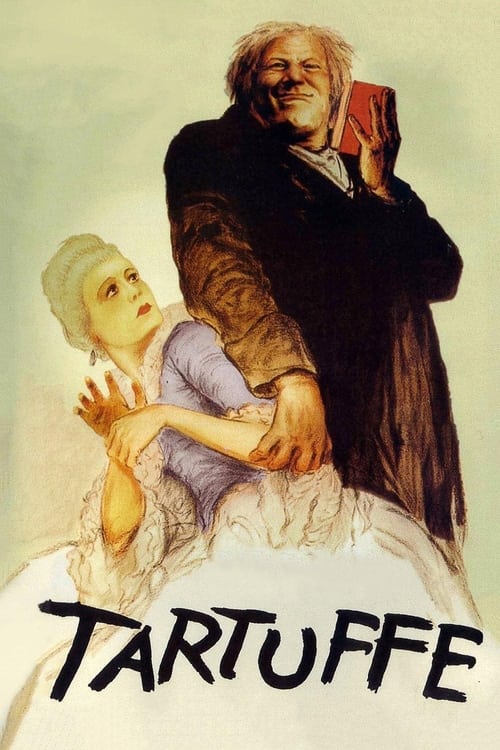
Tartuffe
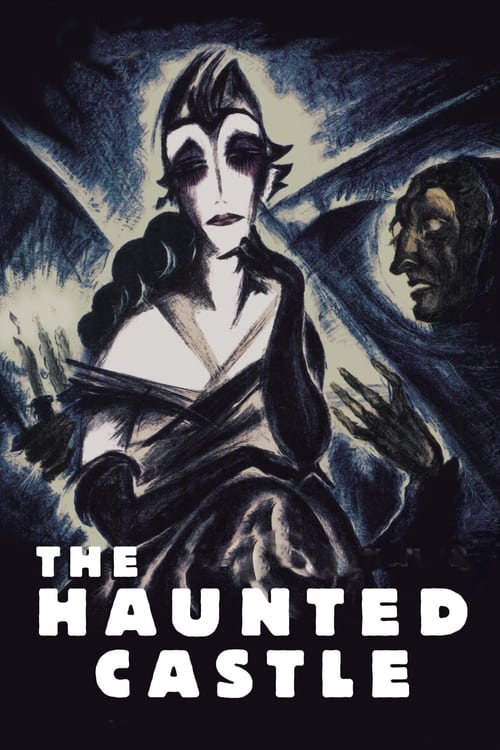
The Haunted Castle
Phantom
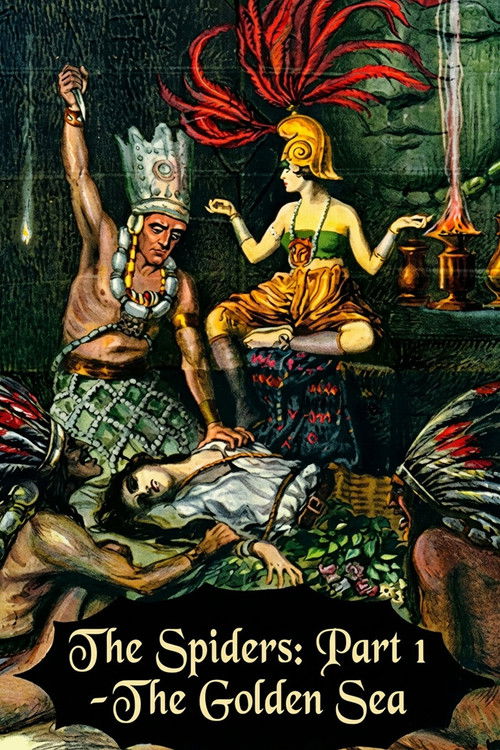
The Spiders: Part 1 - The Golden Sea
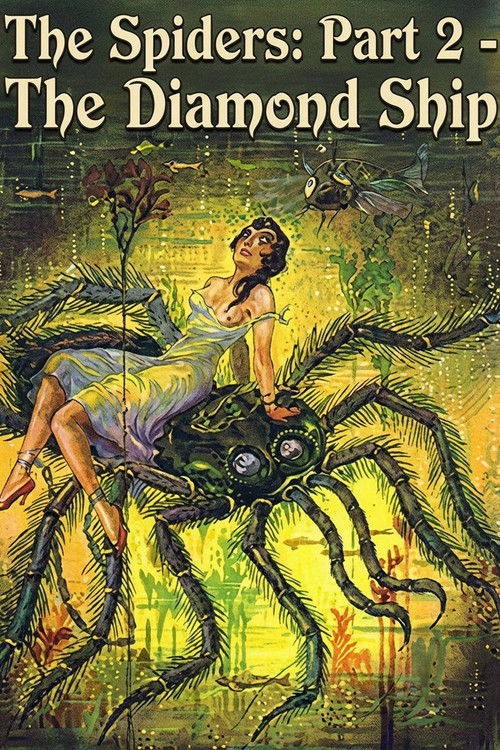
The Spiders: Part 2 - The Diamond Ship

The Finances of the Grand Duke
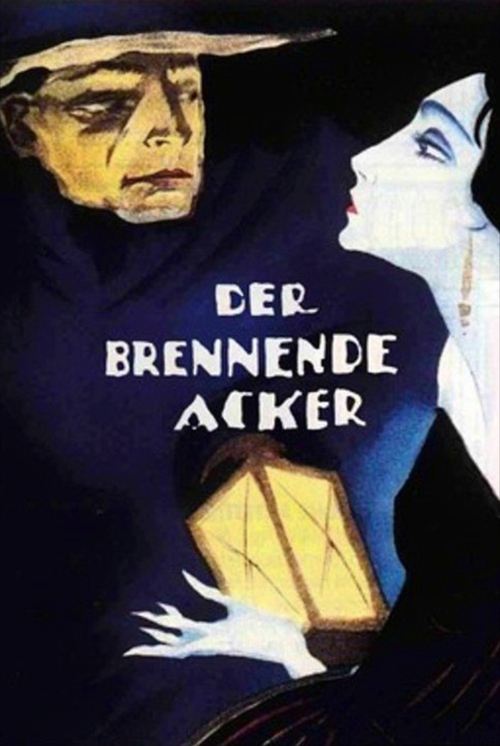
The Burning Soil
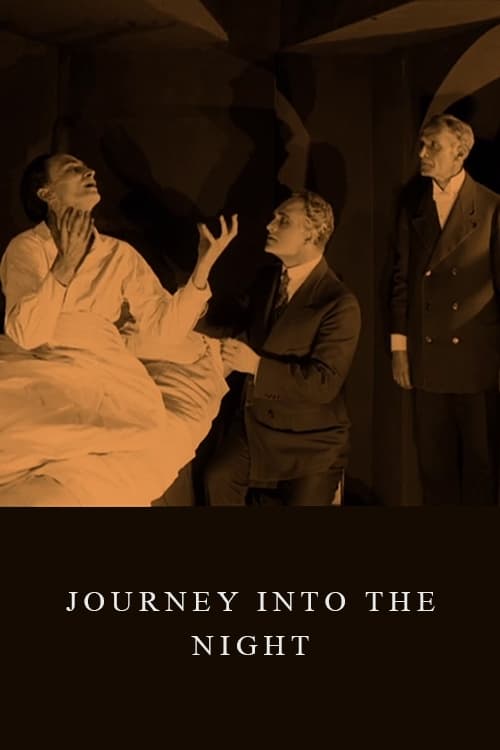
Journey into the Night

Four Around the Woman
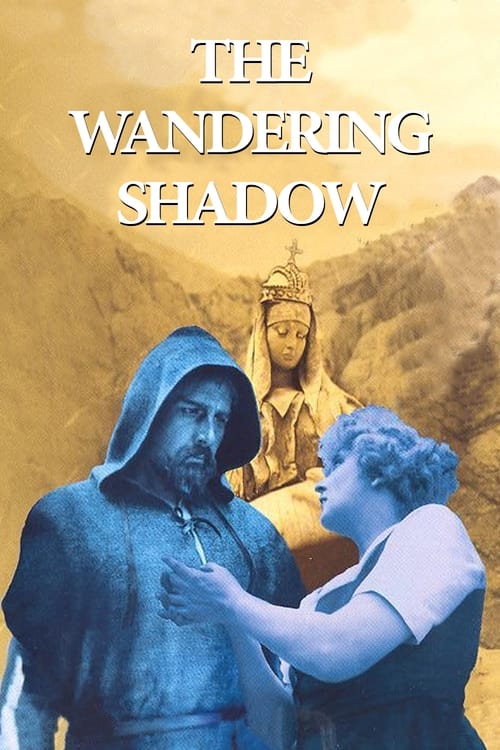
The Wandering Image
The Spiders: Part 1 - The Golden SeaThe Cabinet of Dr. CaligariThe Spiders: Part 2 - The Diamond ShipThe Wandering ImageDestinyThe Haunted CastleJourney into the NightFour Around the WomanNosferatuDr. Mabuse, the GamblerPhantomThe Burning SoilThe Last LaughDie Nibelungen: SiegfriedDie Nibelungen: Kriemhild's RevengeThe Finances of the Grand DukeFaustTartuffeMetropolisSunrise: A Song of Two HumansSpiesPandora's BoxDiary of a Lost GirlMThe Testament of Dr. Mabuse