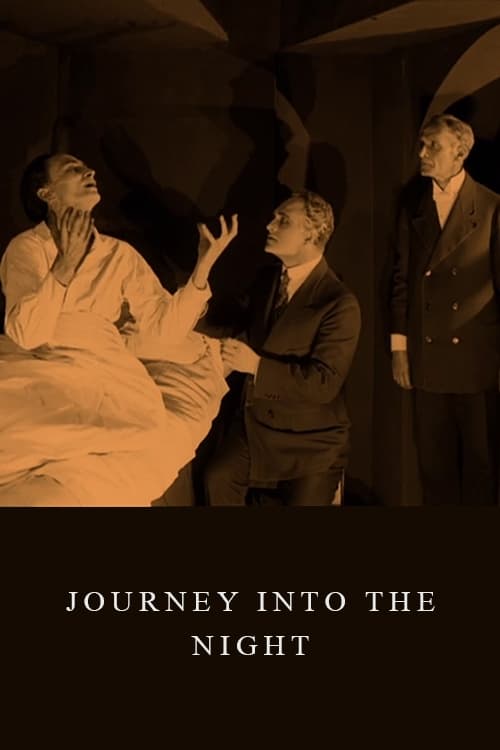
Journey into the Night
dir. F. W. Murnau · 1921
The struggle between desire and responsibility reveals the complexities of human relationships and the consequences of our choices.
Dr. Egil Börne finds himself entranced by a cabaret dancer, abandoning his fiancée and spiraling into a world of moral ambiguity. Watching this film is like wandering through a dimly lit alley where shadows dance and whispers of longing echo, revealing the fragility of human connections amidst the allure of the night.
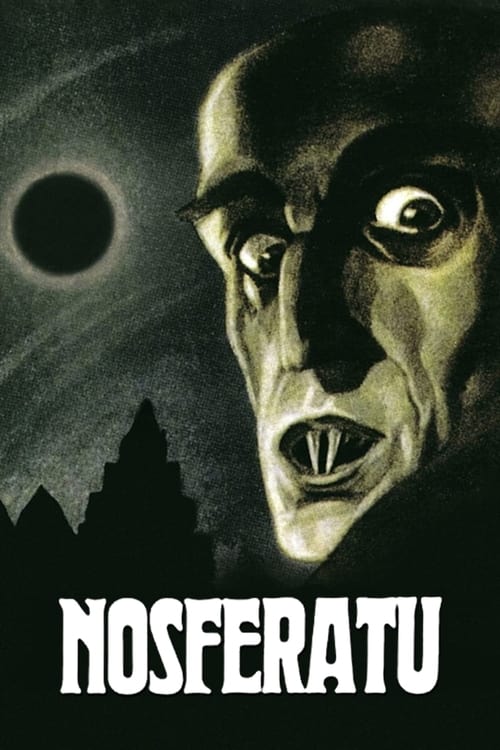
Dr. Egil Börne, an eminent physician, comes under the spell of an unscrupulous cabaret dancer and deserts his fiancée. The plot finds echoes throughout the Weimar period, including Sternberg’s The Blue Angel. Conrad Veidt appears in a supporting role as a sinister blind painter, whose entrance eerily presages Murnau’s Nosferatu. Der Gang in die Nacht, the earliest surviving film by F. W. Murnau, is also, paradoxically, the only Murnau film for which the original camera negative exists.
Talking points
- the impact of urban isolation on relationships
- the role of art in personal obsession
- the moral implications of desire and betrayal