film noir
25 titles · 1940–1960 · United States
The French critic Nino Frank coined the phrase "film noir" in 1946, writing in L'Écran français about a run of American crime pictures Paris was only now catching up on after the war. Hollywood had spent a decade under the Hays Code, which allowed no bedroom scenes and no murder that went unpunished onscreen, so directors learned to put both in shadow instead of showing them and let the story do the punishing. Double Indemnity takes the code at its word: a housewife talks an insurance salesman into killing her husband for the policy, a plan built to fail from its first sentence because the code required it to. Sunset Boulevard runs the same trade through show business instead of an insurance office, a screenwriter with no prospects taking a job with a silent star the public forgot, wages paid in exactly the ruin the code demanded of anyone chasing an easy score. Wilder and Lang had each fled Hitler for Hollywood in the 1930s and brought German Expressionism's shadow-work with them, shooting cheap in high contrast alongside John Huston and Michael Curtiz between about 1940 and 1960. Out of the Past gives a gas station owner a quiet life and one visitor from before, and you know in the first reel that the man will lose, and watch him arrange it himself.
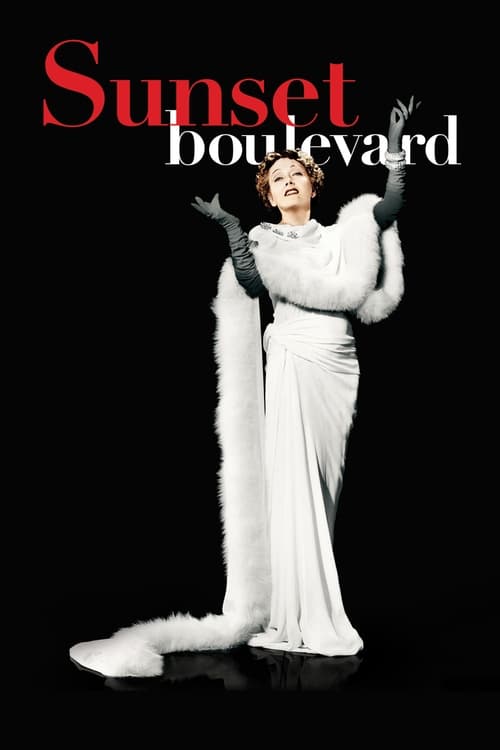
Sunset Boulevard
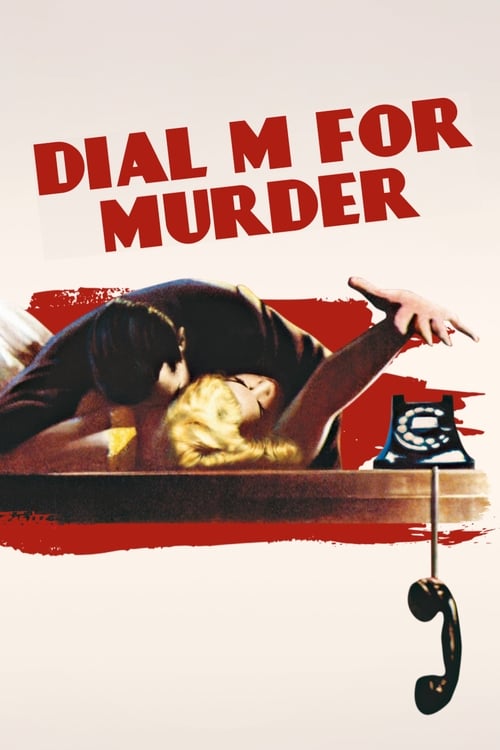
Dial M for Murder
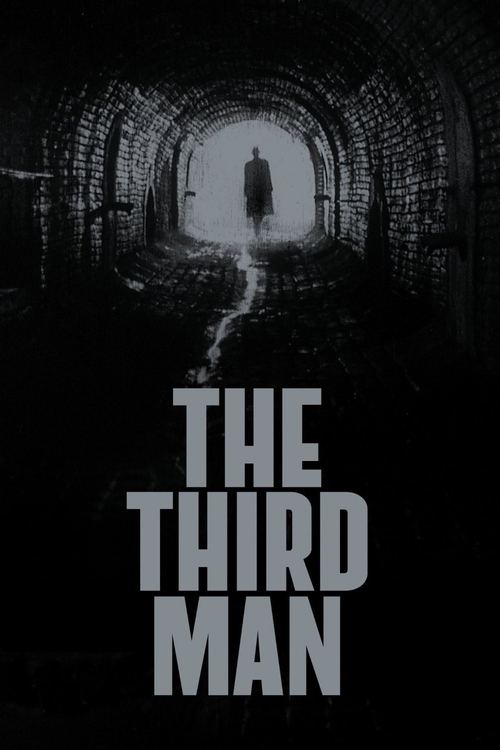
The Third Man
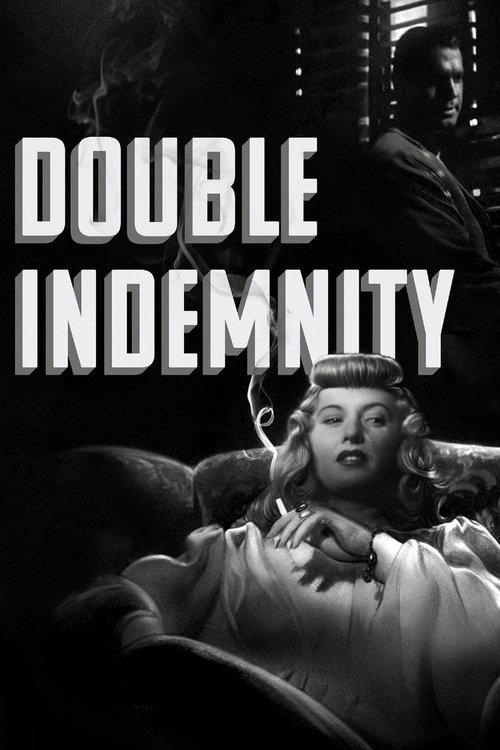
Double Indemnity
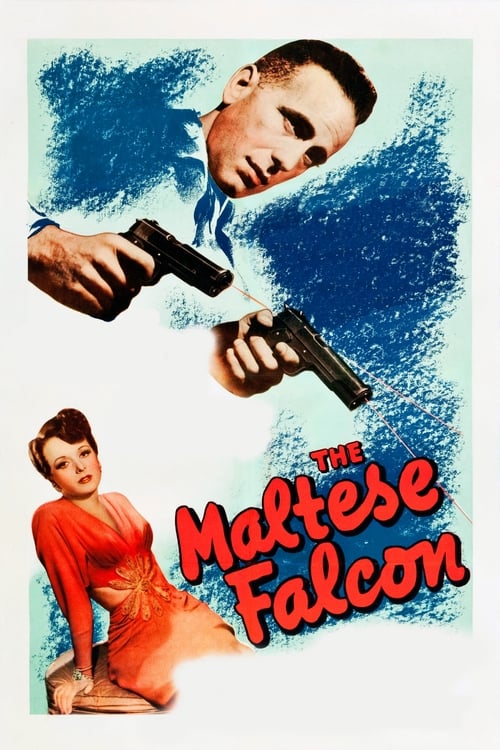
The Maltese Falcon
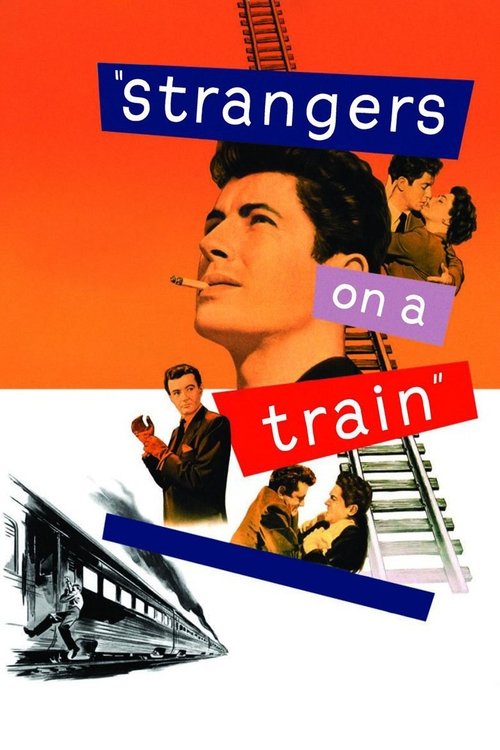
Strangers on a Train
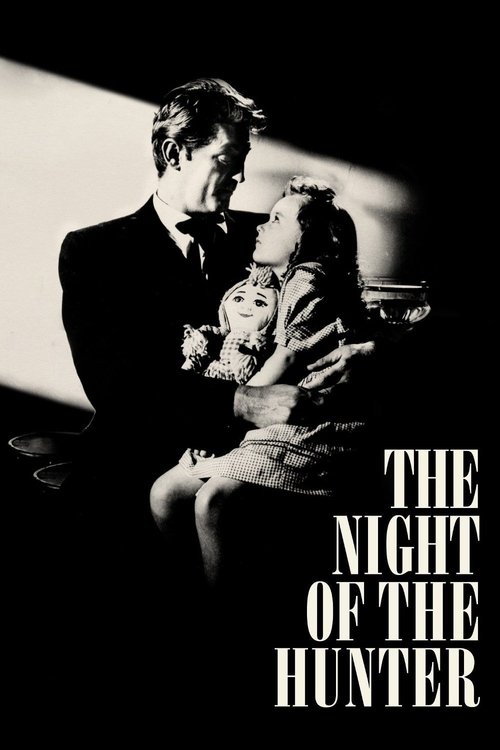
The Night of the Hunter
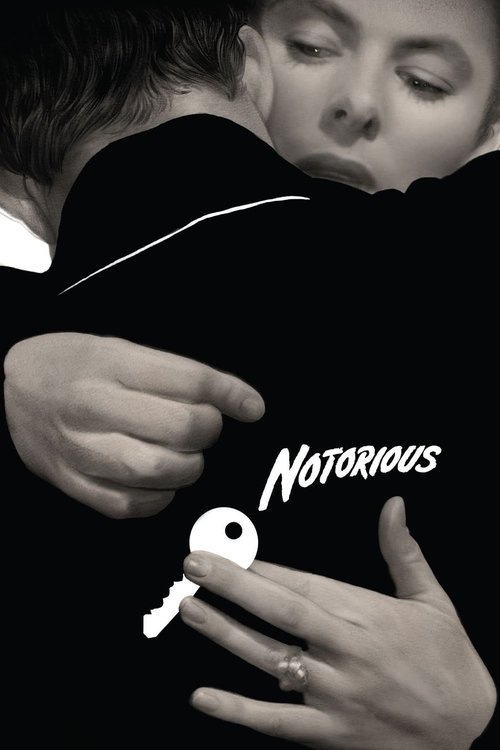
Notorious
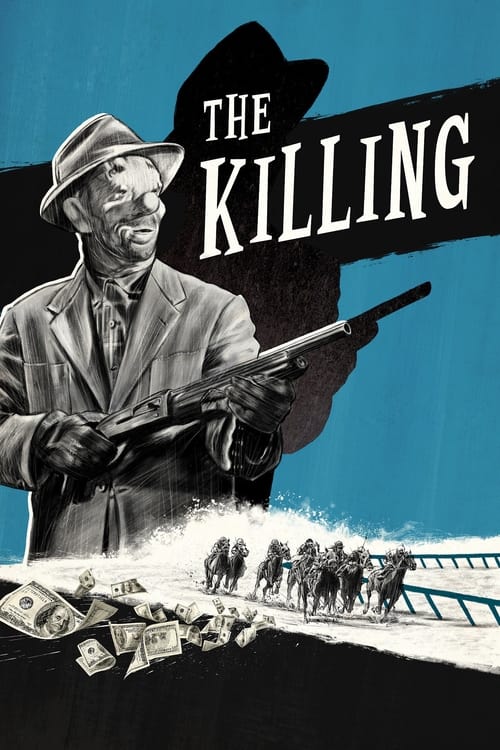
The Killing
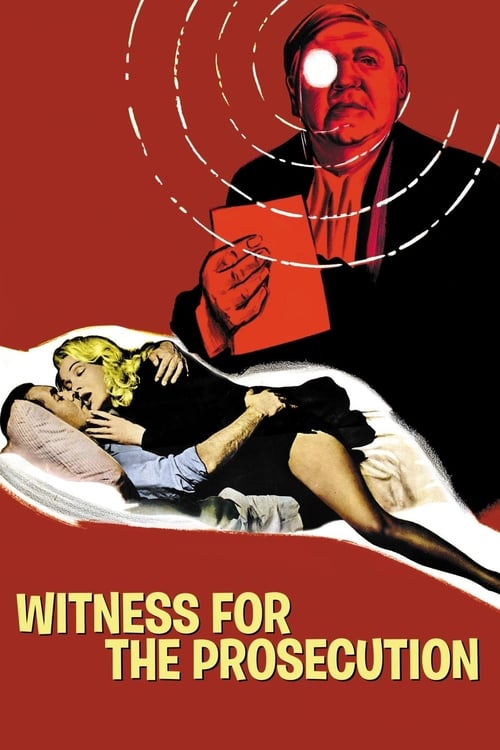
Witness for the Prosecution
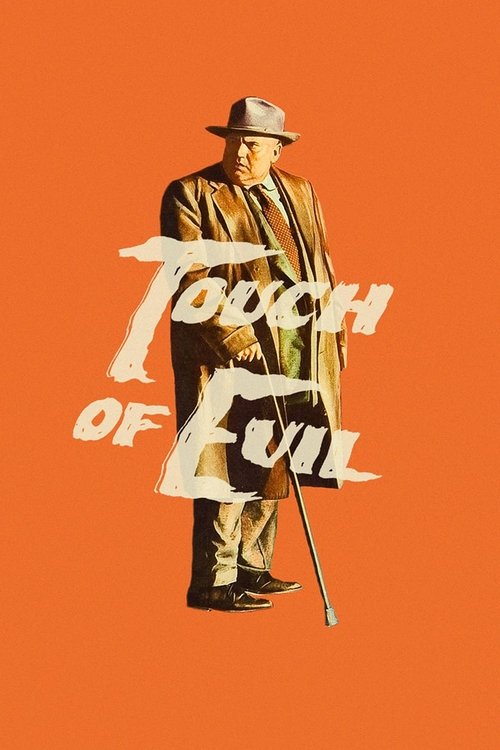
Touch of Evil
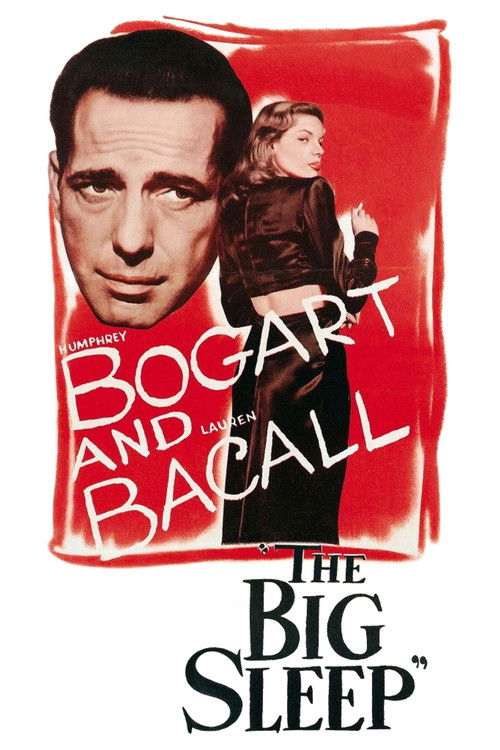
The Big Sleep
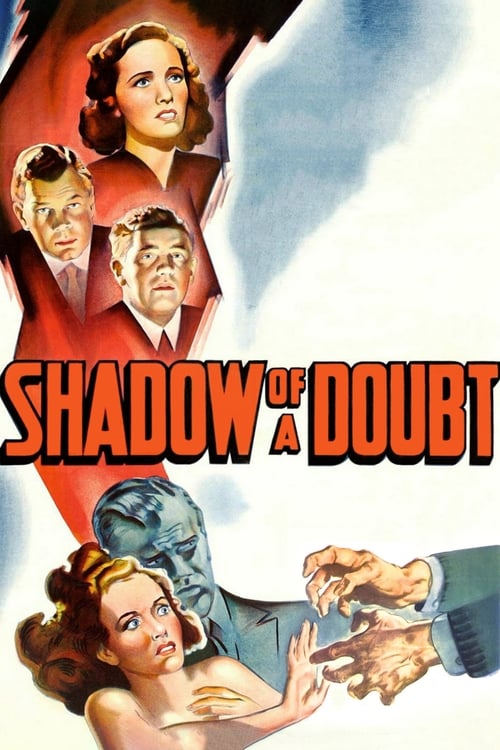
Shadow of a Doubt
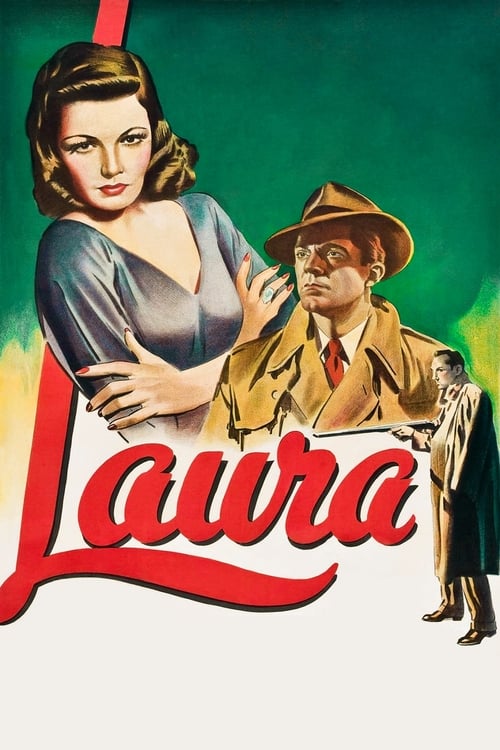
Laura
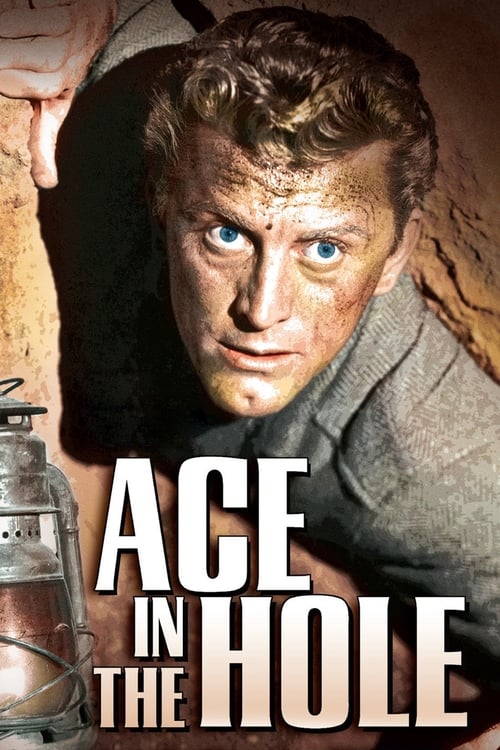
Ace in the Hole
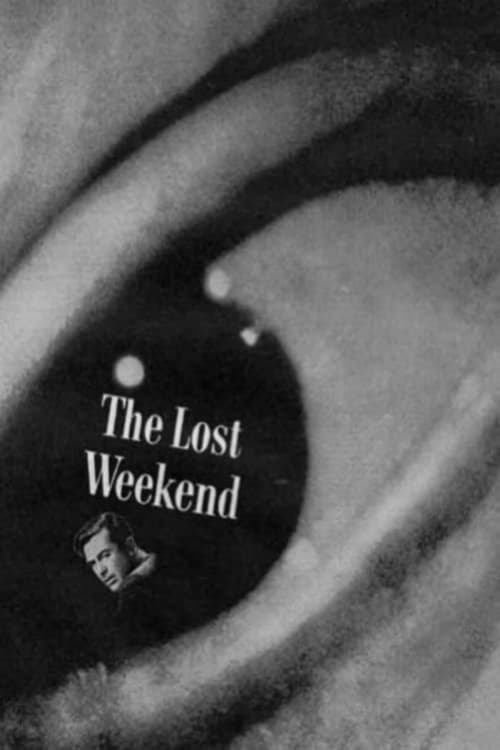
The Lost Weekend
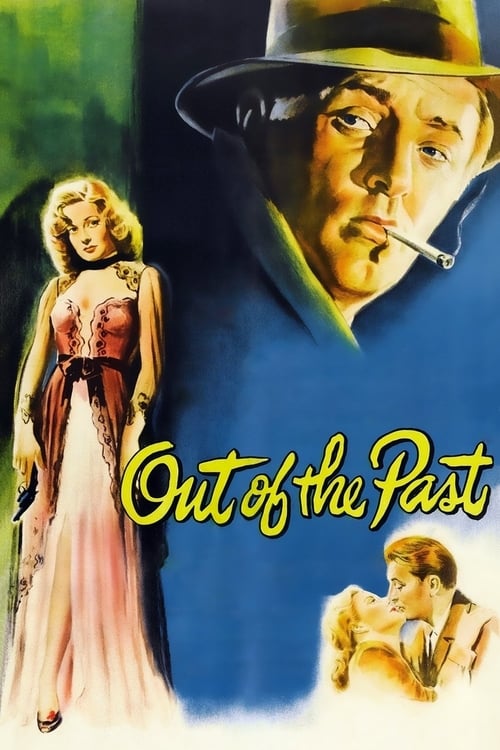
Out of the Past
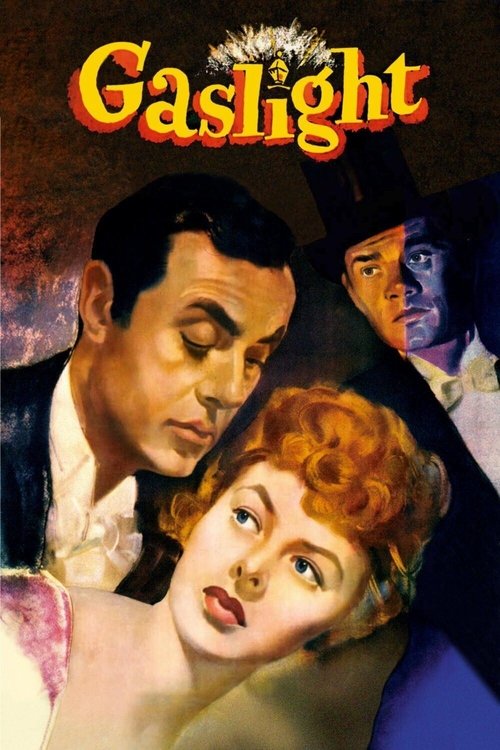
Gaslight

The Big Heat
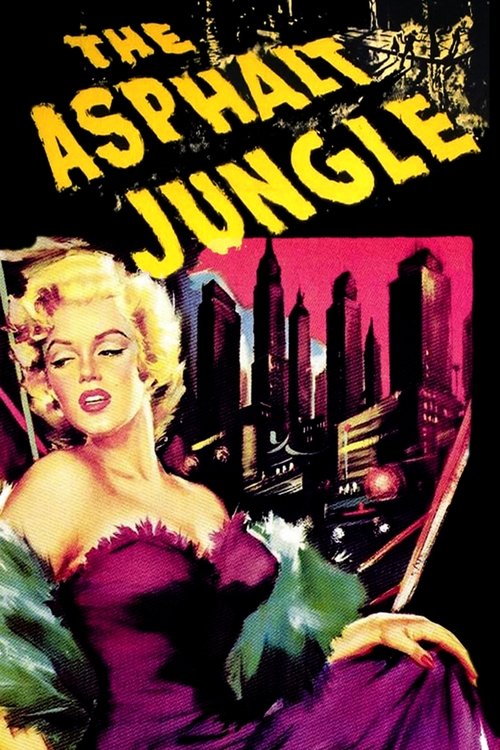
The Asphalt Jungle
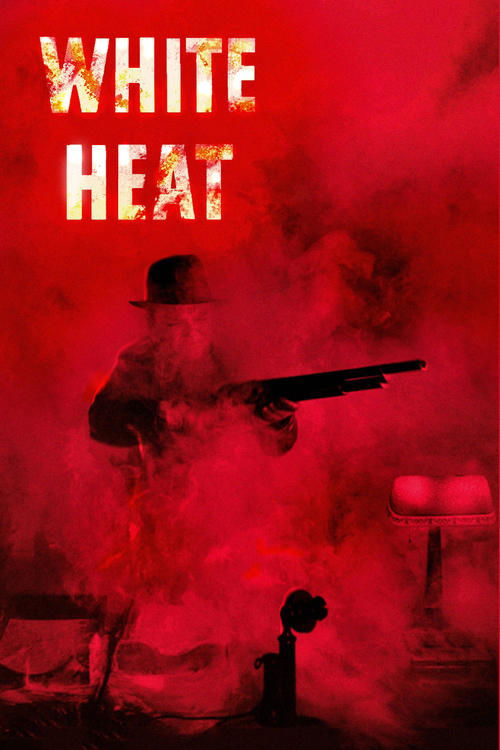
White Heat
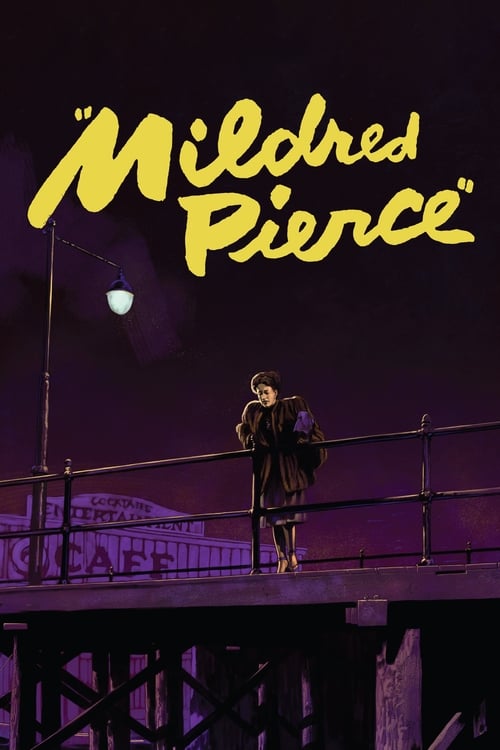
Mildred Pierce
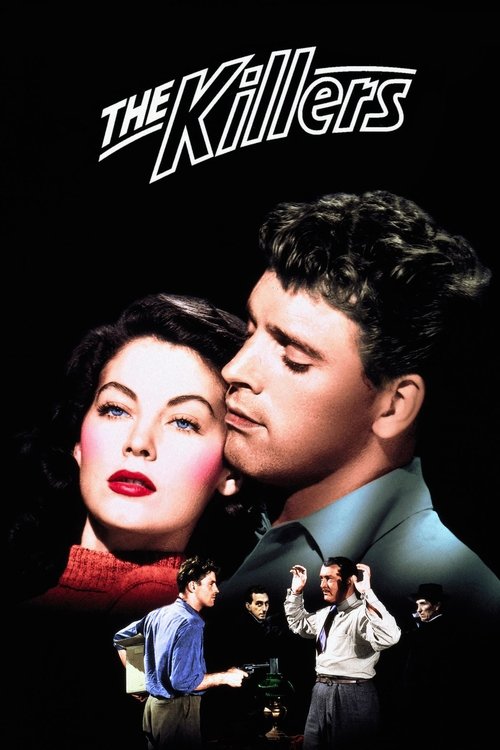
The Killers
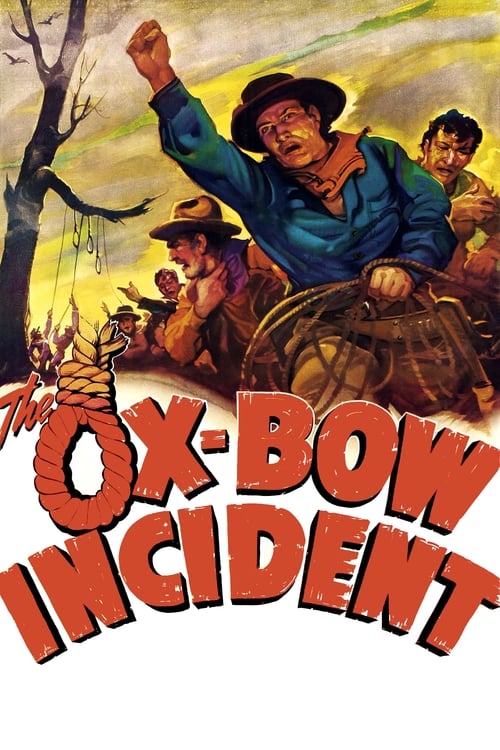
The Ox-Bow Incident

The Woman on the Beach
The Maltese FalconShadow of a DoubtThe Ox-Bow IncidentDouble IndemnityLauraGaslightThe Lost WeekendMildred PierceNotoriousThe Big SleepThe KillersOut of the PastThe Woman on the BeachThe Third ManWhite HeatSunset BoulevardThe Asphalt JungleStrangers on a TrainAce in the HoleThe Big HeatDial M for MurderThe Night of the HunterThe KillingWitness for the ProsecutionTouch of Evil