neo-noir
31 titles · 1966–present · International
The Hays Code had kept sex and violence off the American screen since the 1930s. Its enforcement arm folded in 1968, and the films that followed shot in colour and put both back into a genre critics named by reaching backward: Nino Frank had coined the word noir in 1946, and neo went in front of it. Chinatown opens on the plainer version of the job, a socialite hiring Jake Gittes to watch her husband, and lets it grow into a political scandal and a private one before he can close the file. The Coens run the same trap twice: a bar owner has his wife and her lover killed in Blood Simple, and a car salesman stages his own wife's kidnapping in Fargo, both plans undone by people too chaotic to run them straight. Fincher moves the genre indoors, into procedure: two detectives in Se7en spend the film one step behind a killer working through the deadly sins. Lynch keeps the amnesia and throws out the explanation: Mulholland Drive puts an actress fresh off the plane with a woman who cannot remember who she is. You can see the ending coming from a long way off, and the film knows you can.

Fight Club
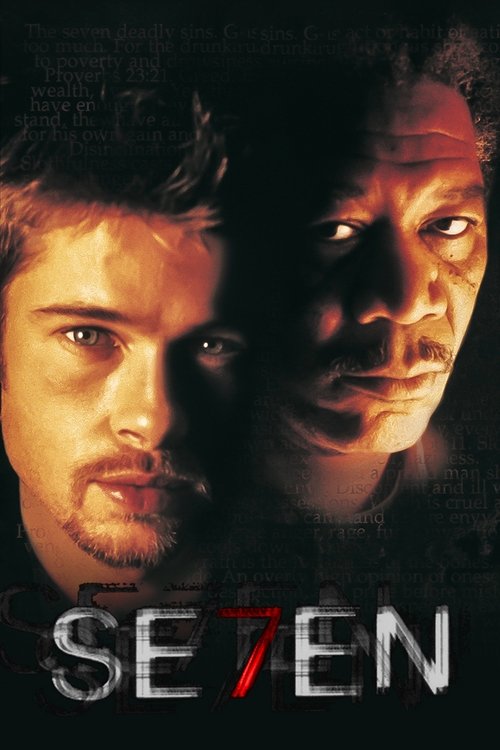
Se7en
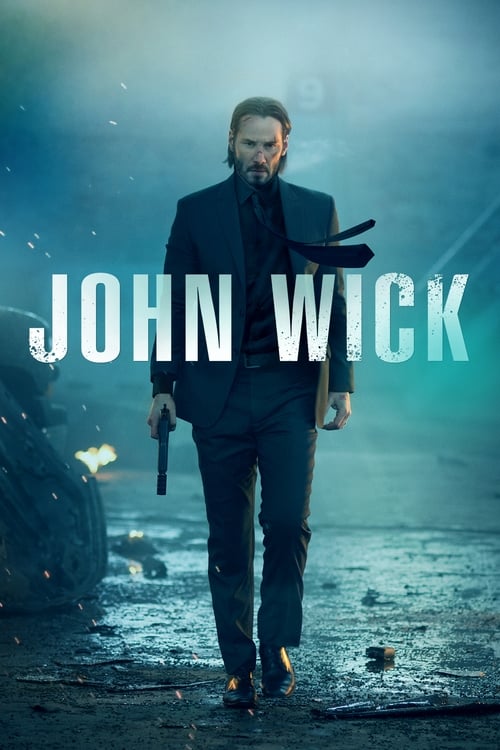
John Wick
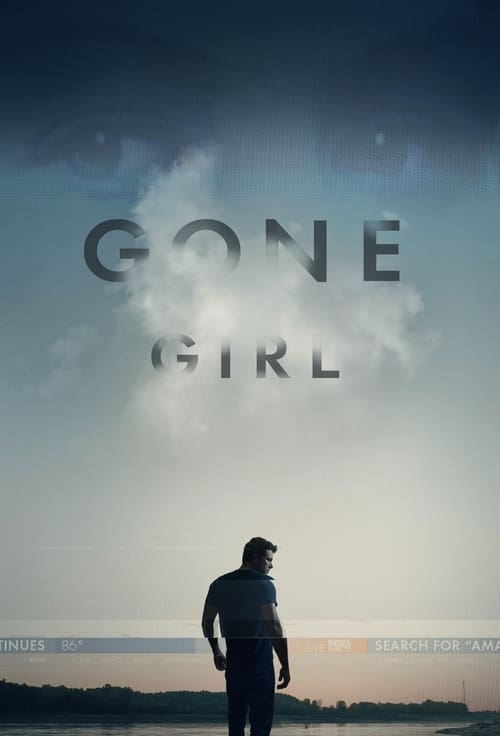
Gone Girl
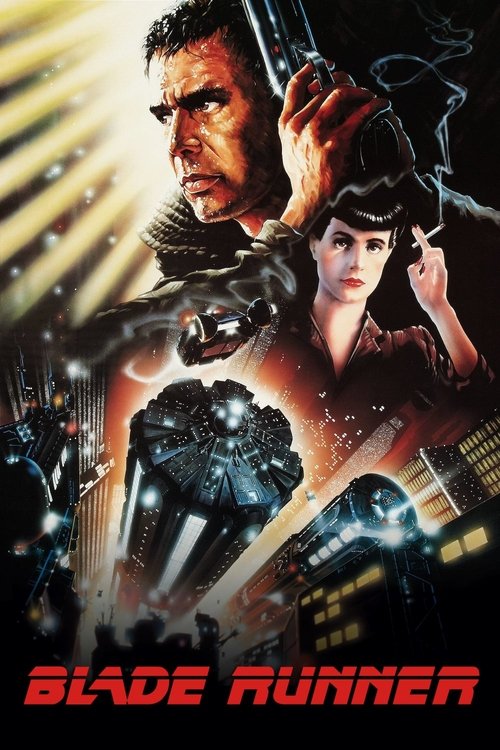
Blade Runner

Drive
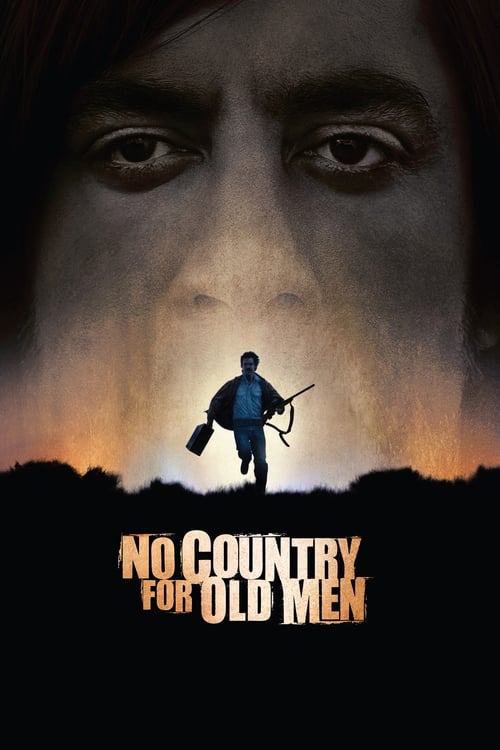
No Country for Old Men
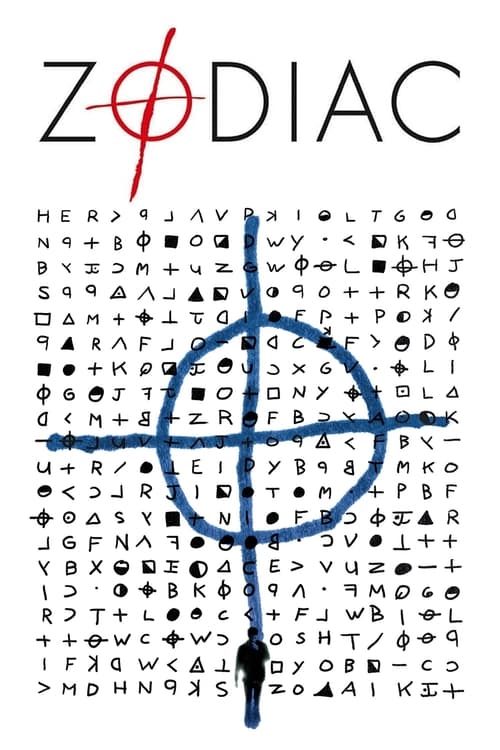
Zodiac
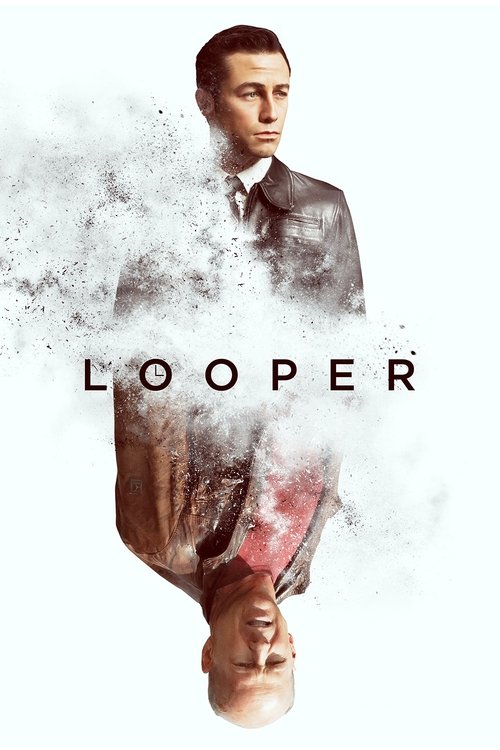
Looper
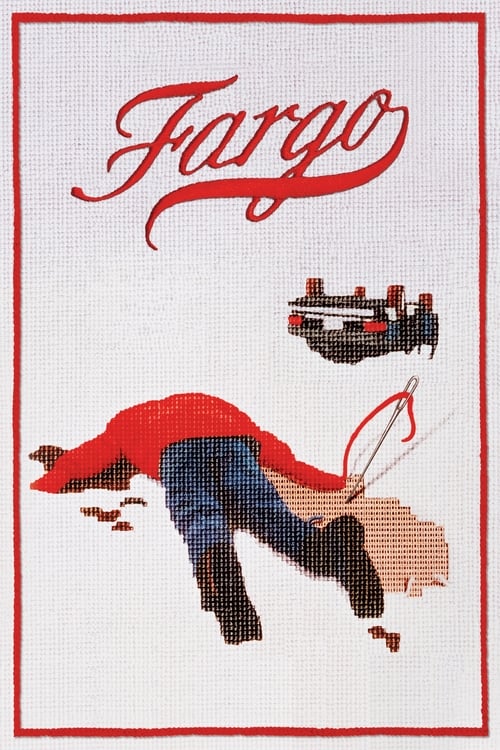
Fargo
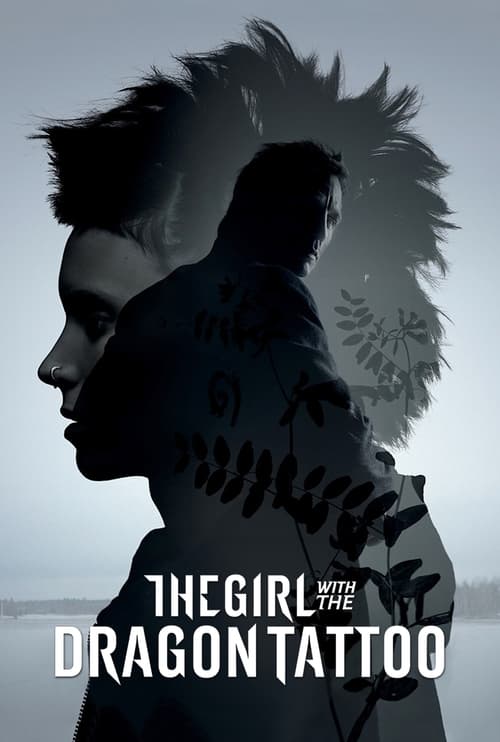
The Girl with the Dragon Tattoo
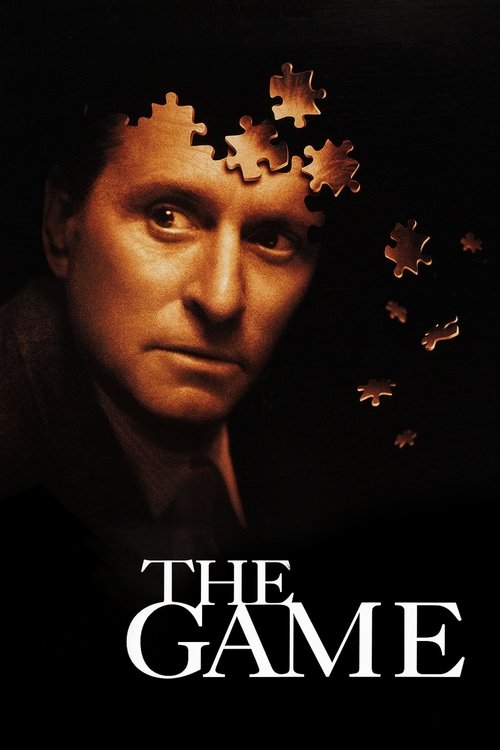
The Game
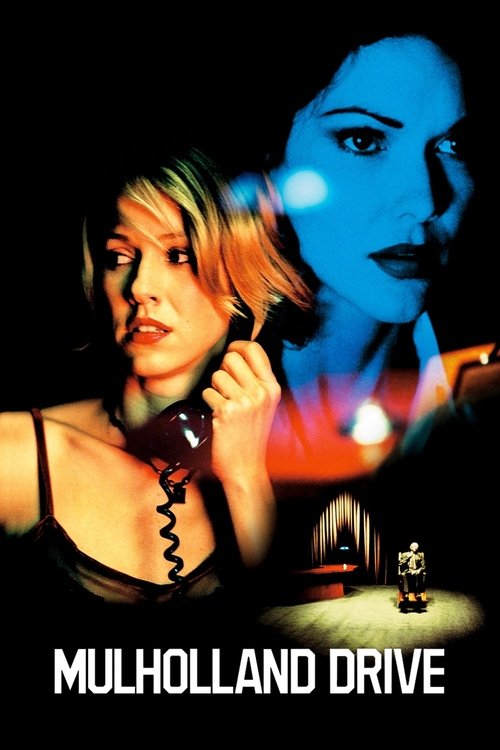
Mulholland Drive
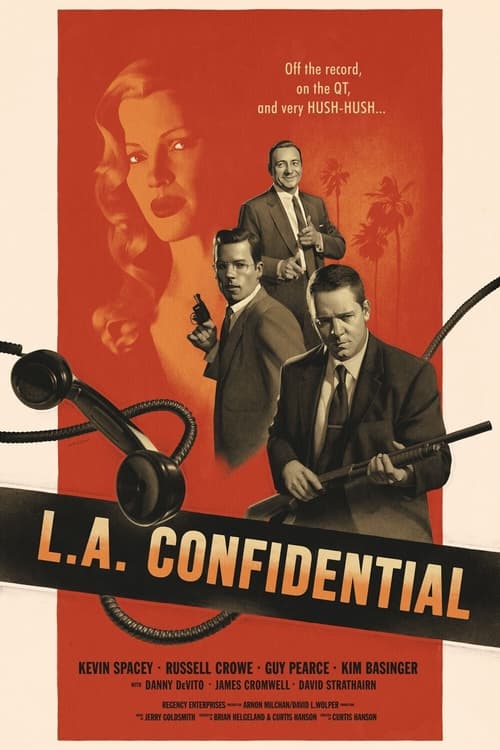
L.A. Confidential

Panic Room
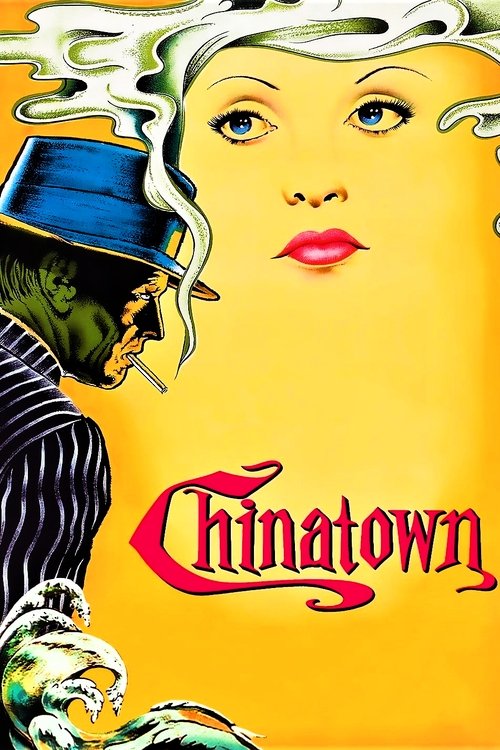
Chinatown
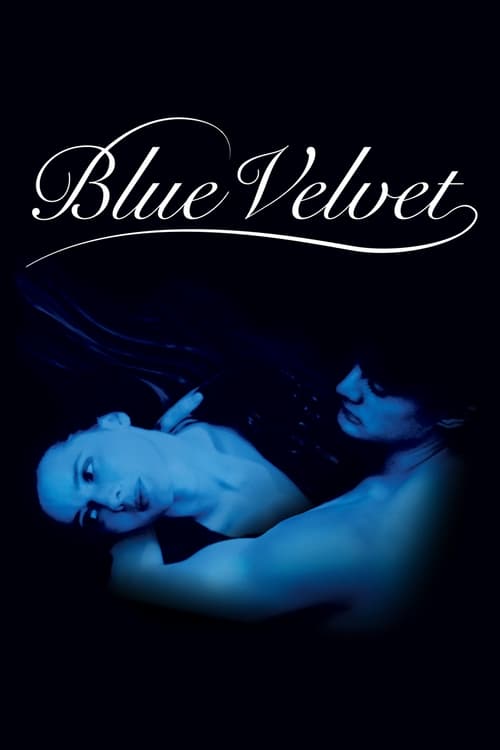
Blue Velvet

Dark City
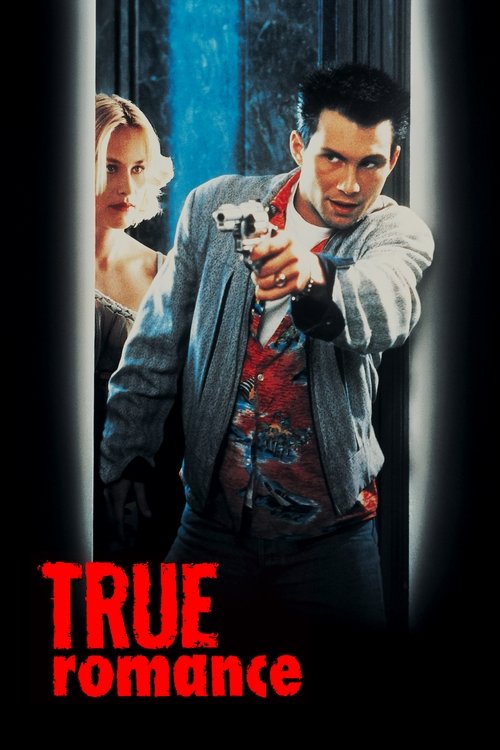
True Romance
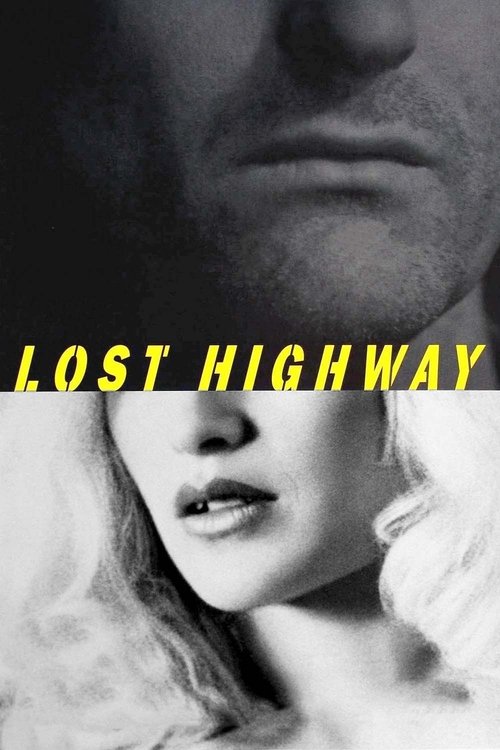
Lost Highway
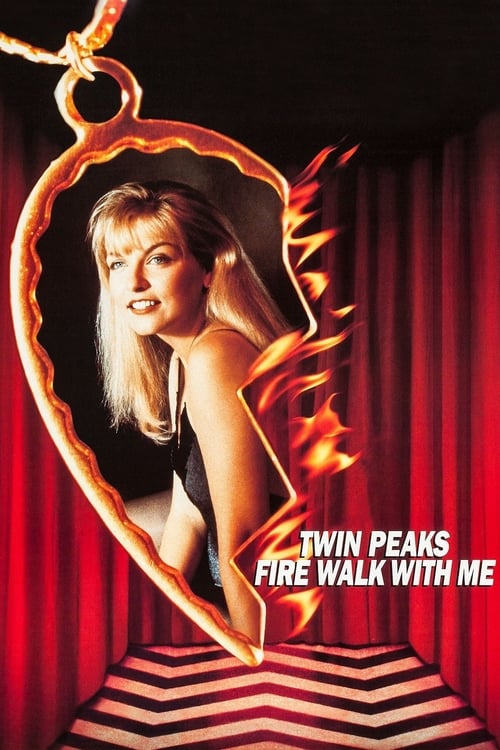
Twin Peaks: Fire Walk with Me
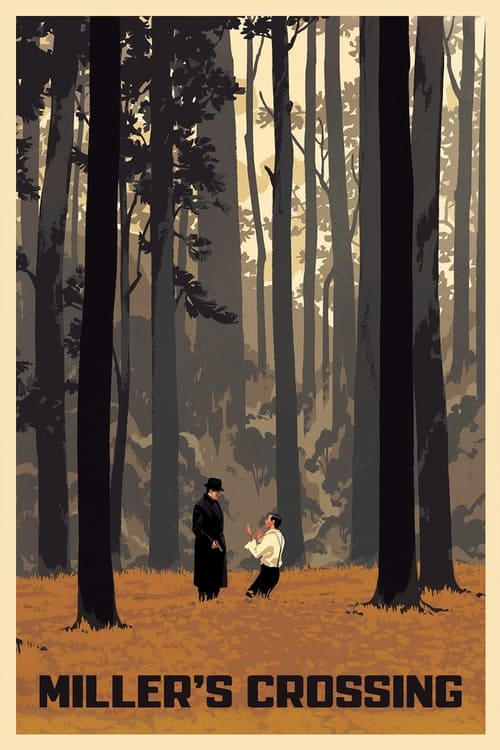
Miller's Crossing
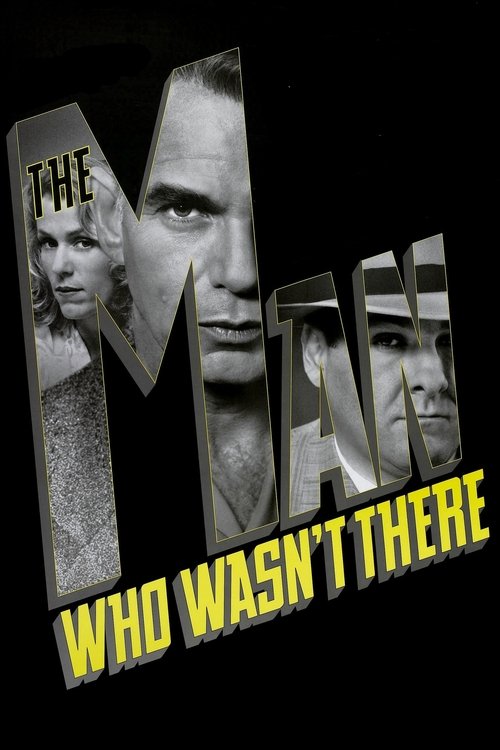
The Man Who Wasn't There

Blood Simple
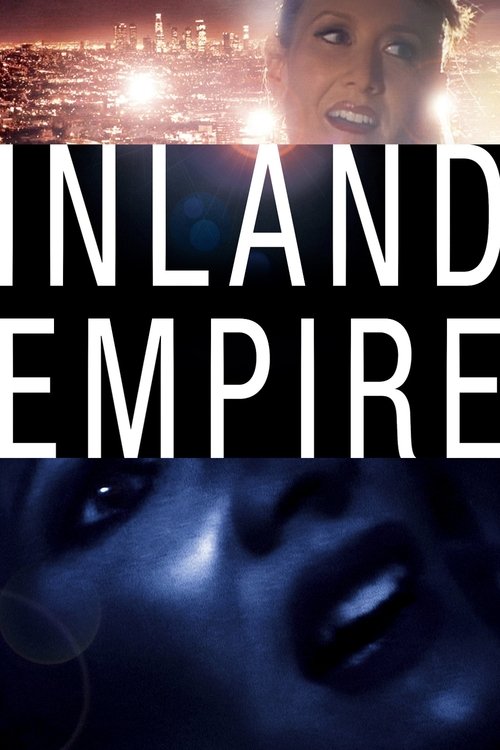
Inland Empire

Cowboy Bebop: The Movie
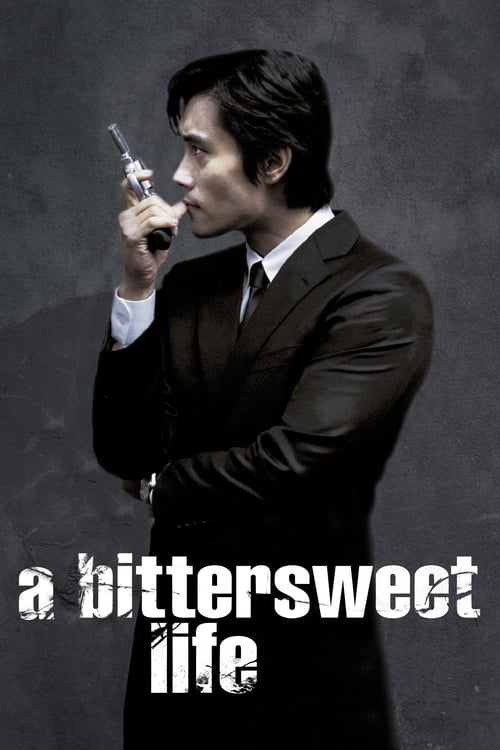
A Bittersweet Life
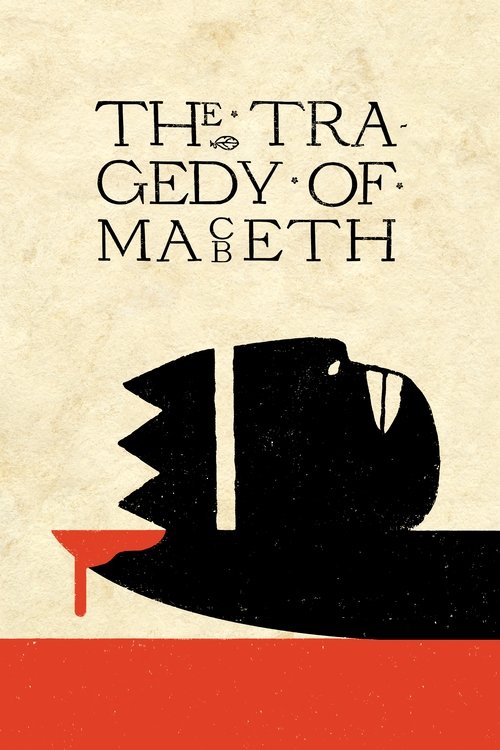
The Tragedy of Macbeth
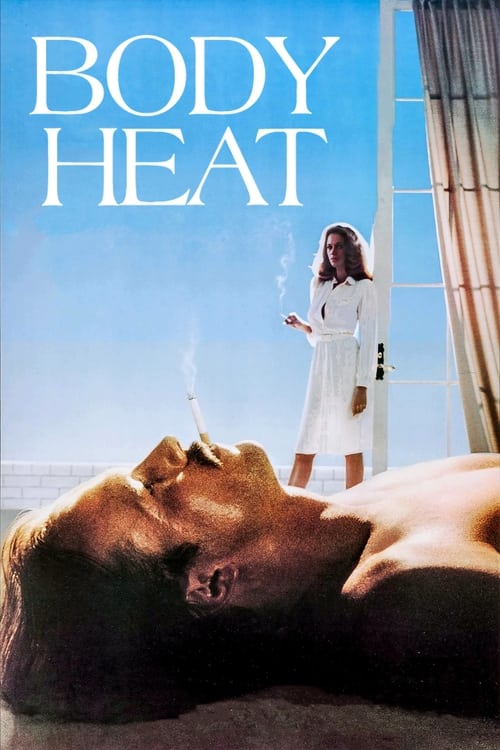
Body Heat
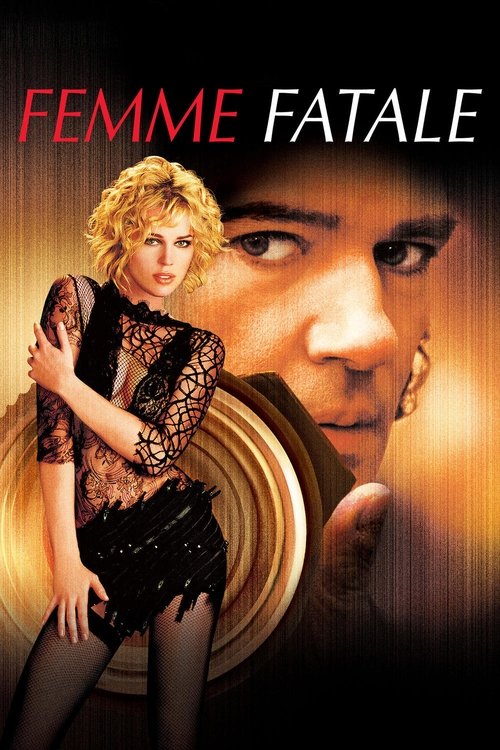
Femme Fatale
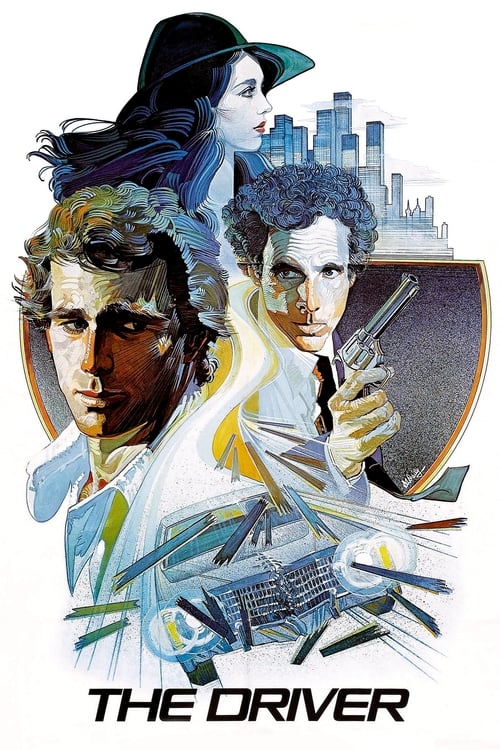
The Driver
ChinatownThe DriverBody HeatBlade RunnerBlood SimpleBlue VelvetMiller's CrossingTwin Peaks: Fire Walk with MeTrue RomanceSe7enFargoThe GameL.A. ConfidentialLost HighwayDark CityFight ClubMulholland DriveThe Man Who Wasn't ThereCowboy Bebop: The MoviePanic RoomFemme FataleA Bittersweet LifeInland EmpireNo Country for Old MenZodiacDriveThe Girl with the Dragon TattooLooperJohn WickGone GirlThe Tragedy of Macbeth