surrealist cinema
75 titles · 1920s–present · International
André Breton published the Surrealist Manifesto in Paris in 1924, calling for art built on "psychic automatism ... in the absence of any control exercised by reason." Luis Buñuel and Salvador Dalí took that literally: a razor opens a woman's eye in the first minute of Un Chien Andalou, made in 1929, and a dead horse gets dragged across a piano soon after, with no edit softening the jump between one image and the next and no explanation offered. Their next film, L'Âge d'Or, provoked a right-wing riot at its Paris premiere in December 1930, and the police banned it days later. Breton's circle broke apart within two years, but the method it had written down kept working after the group did not. Buñuel spent the rest of his career on it: in The Exterminating Angel, dinner guests retreat to the host's music room and find they cannot leave it, and in The Discreet Charm of the Bourgeoisie, six people sit down to a meal that something always stops them from eating. David Lynch ran the same logic through a delivery room: in Eraserhead, new father Henry Spencer is left alone with an industrial city, an angry girlfriend, and a newborn that is not fully human. None of it explains itself, and you stop asking what happens next fairly early on.
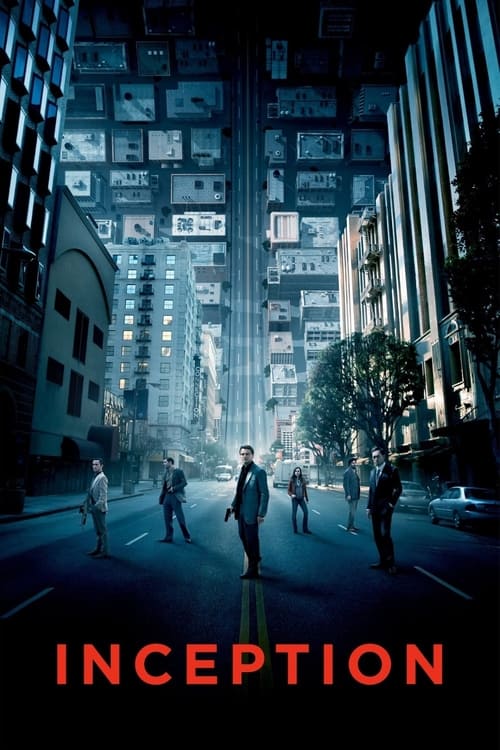
Inception
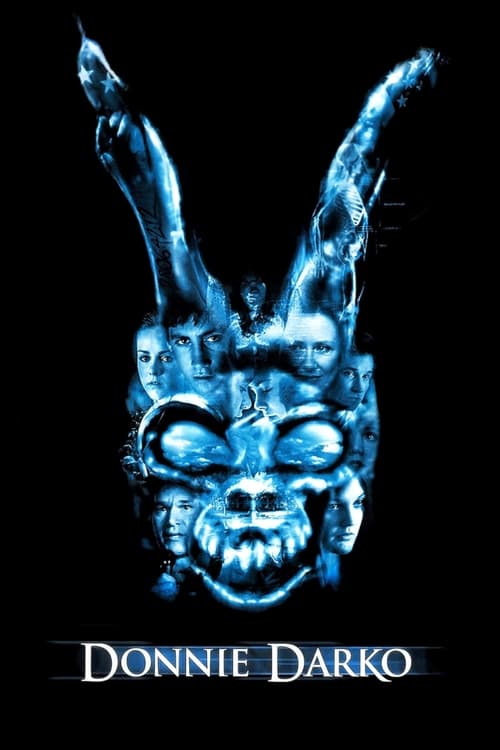
Donnie Darko
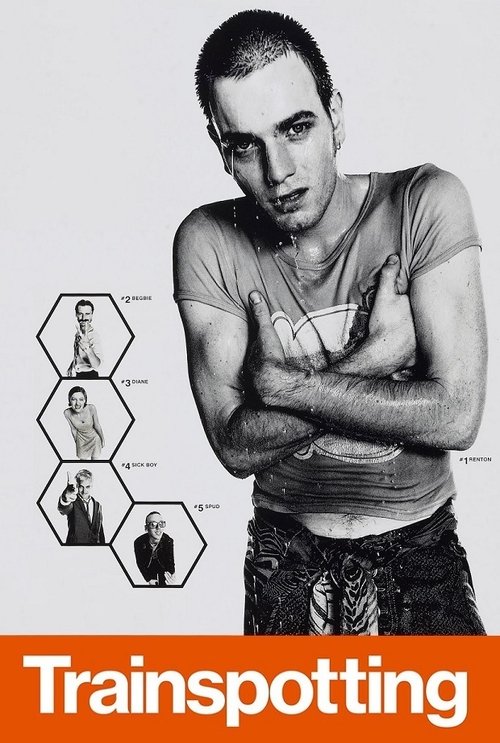
Trainspotting
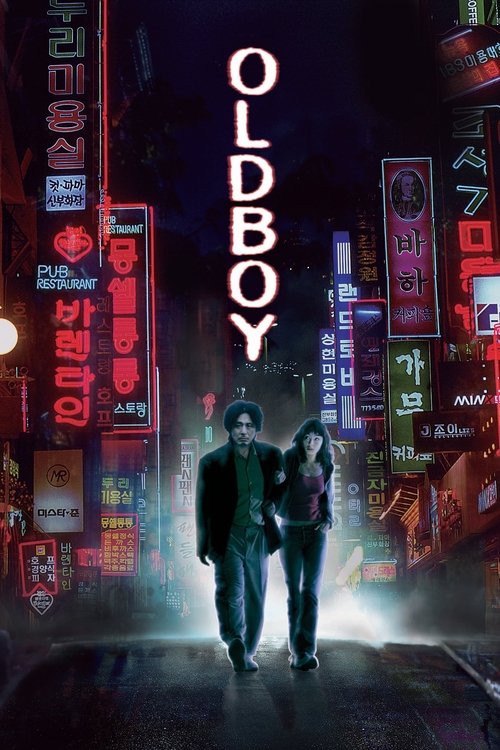
Oldboy

Mulholland Drive
The Lobster
The Elephant Man
Blue Velvet
Lost Highway

Adaptation.

Punch-Drunk Love

Eraserhead

Twin Peaks: Fire Walk with Me

Frida

Mandy

Wild at Heart

Barton Fink
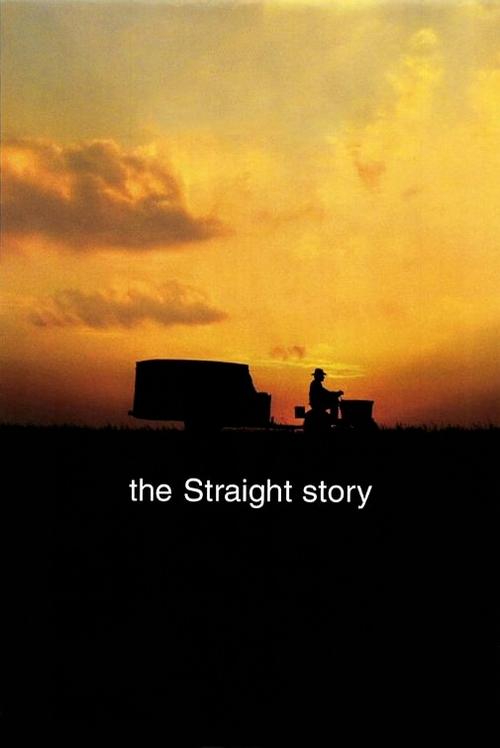
The Straight Story

Delicatessen

Talk to Her

Un Chien Andalou
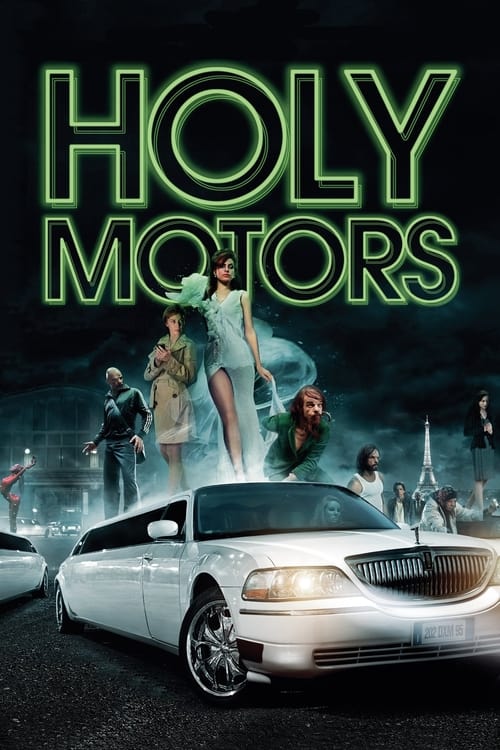
Holy Motors

Inland Empire

A Dog's Will
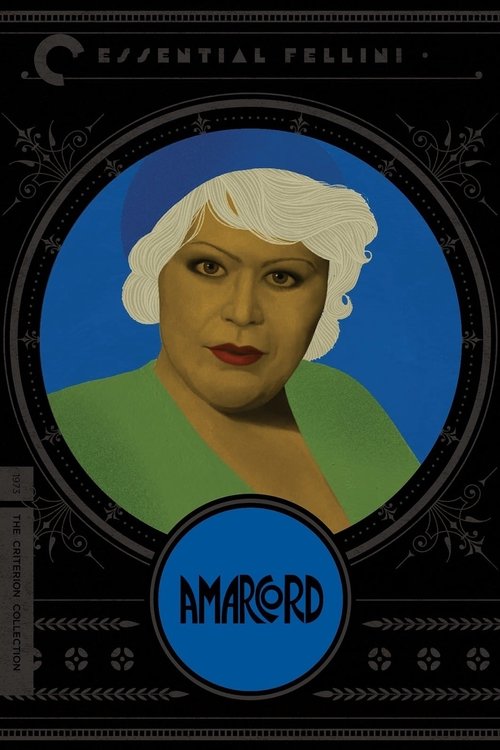
Amarcord

No Other Choice

Rubber
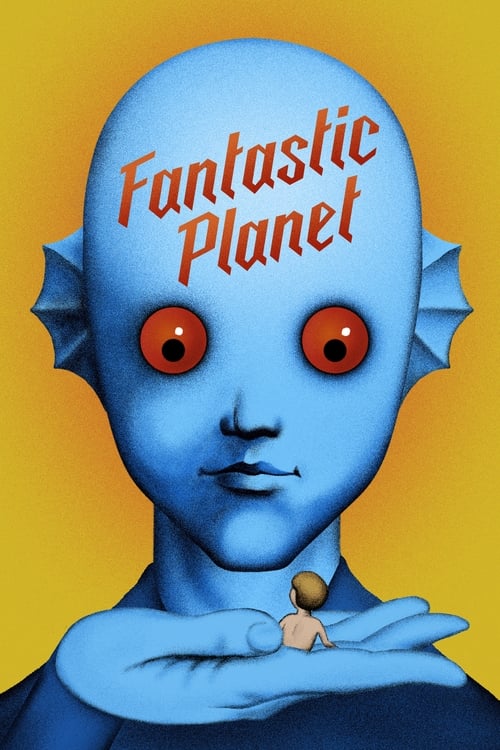
Fantastic Planet

Thirst
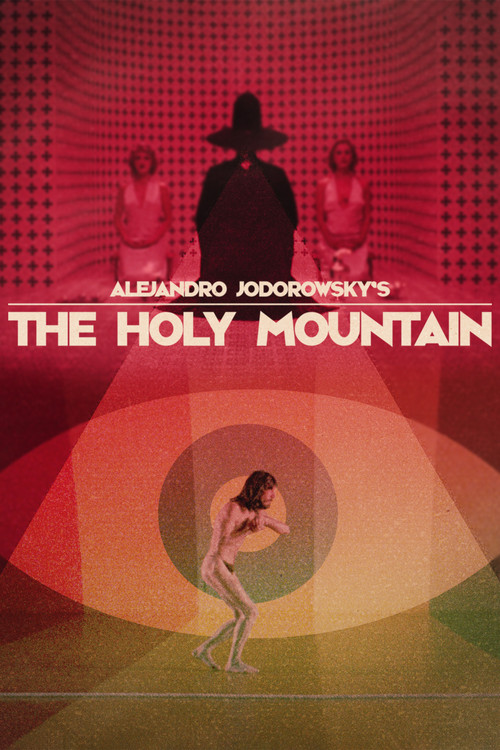
The Holy Mountain
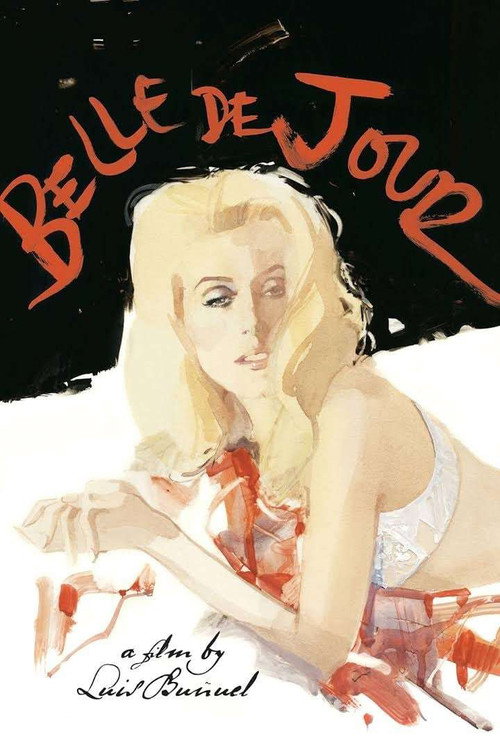
Belle de Jour

The Discreet Charm of the Bourgeoisie
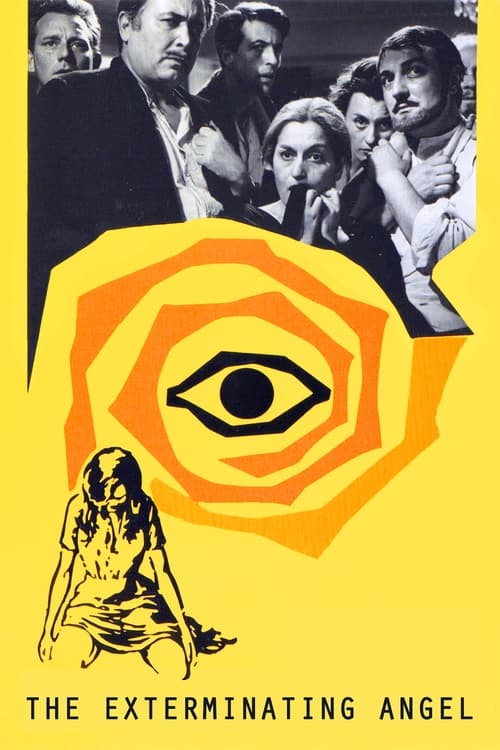
The Exterminating Angel
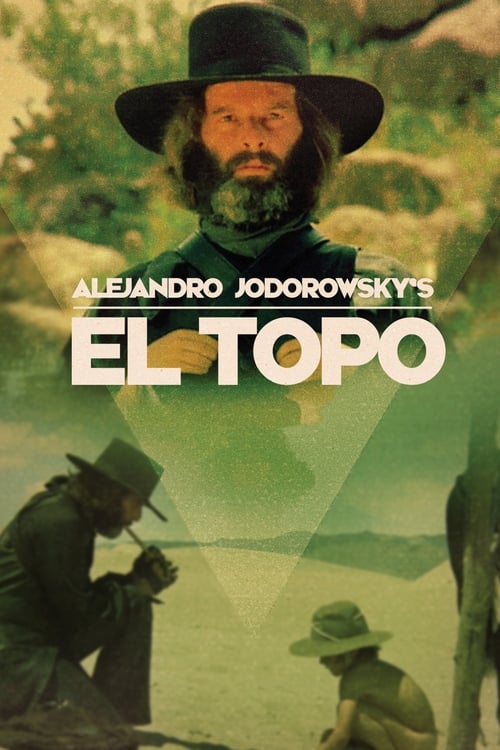
El Topo
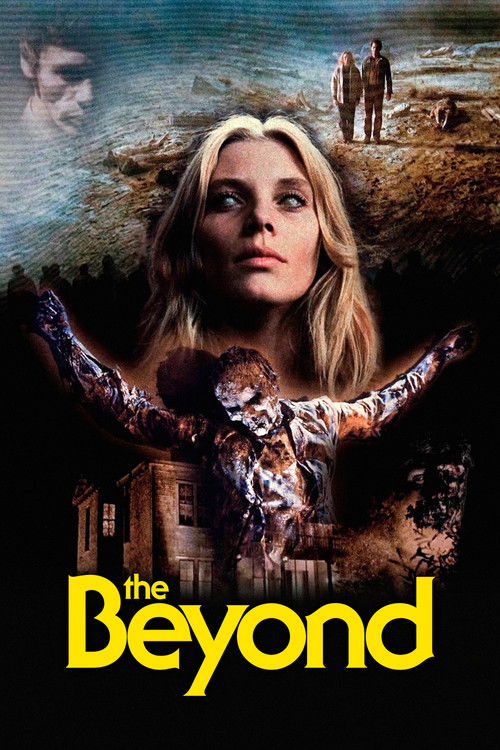
The Beyond

The Man Who Fell to Earth

I'm a Cyborg, But That's OK
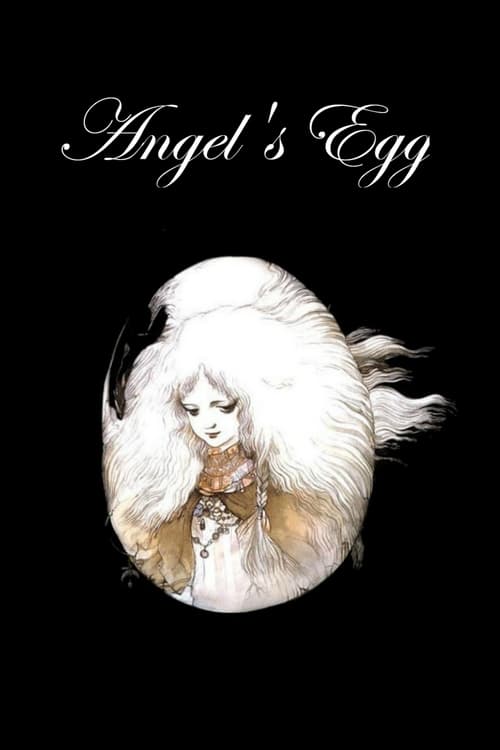
Angel's Egg
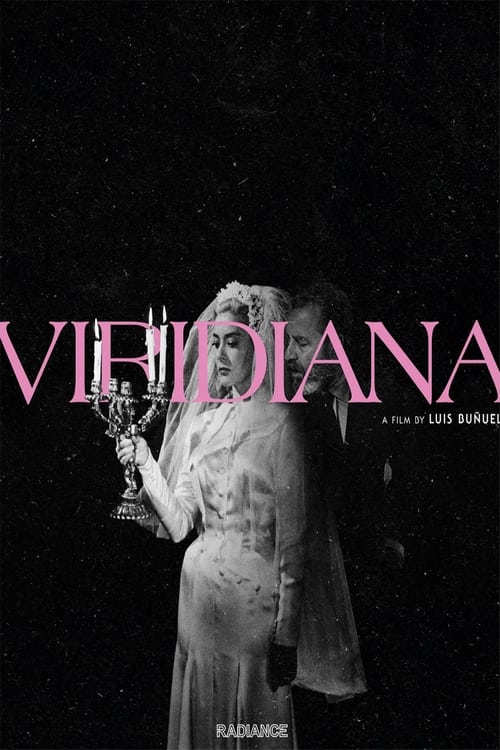
Viridiana
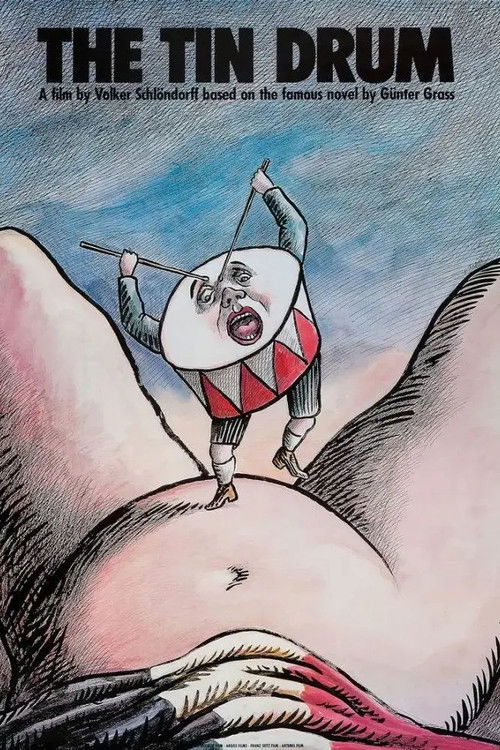
The Tin Drum
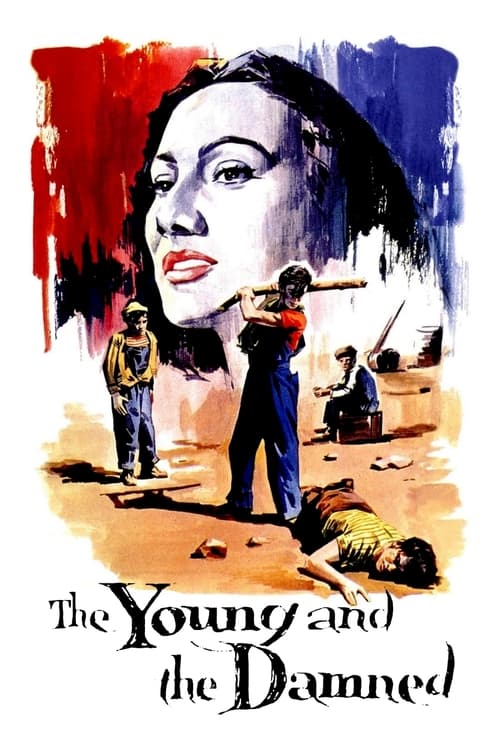
The Young and the Damned
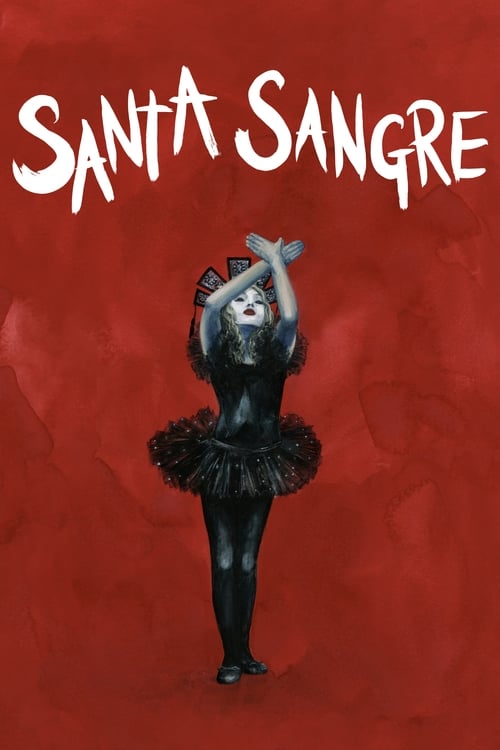
Santa Sangre
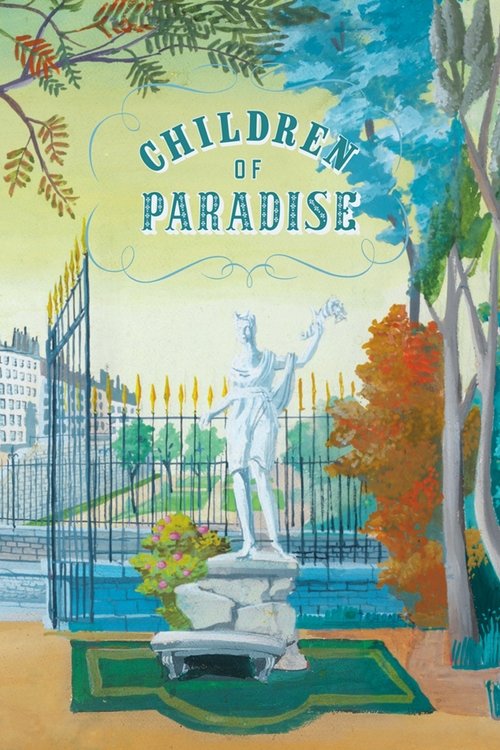
Children of Paradise
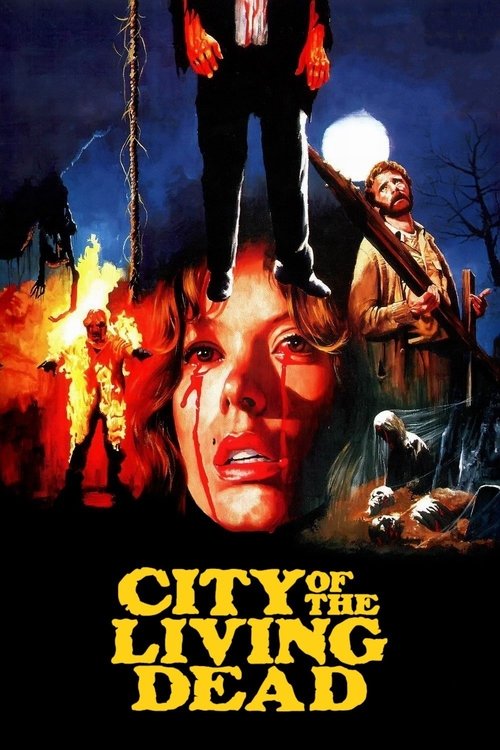
City of the Living Dead
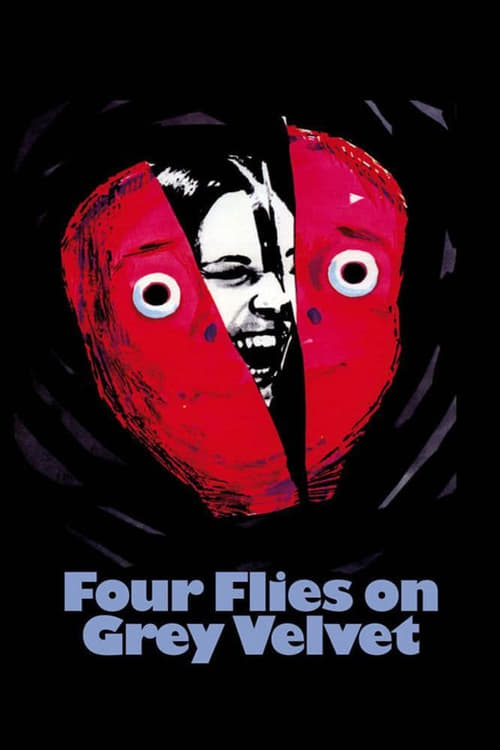
Four Flies on Grey Velvet

if....
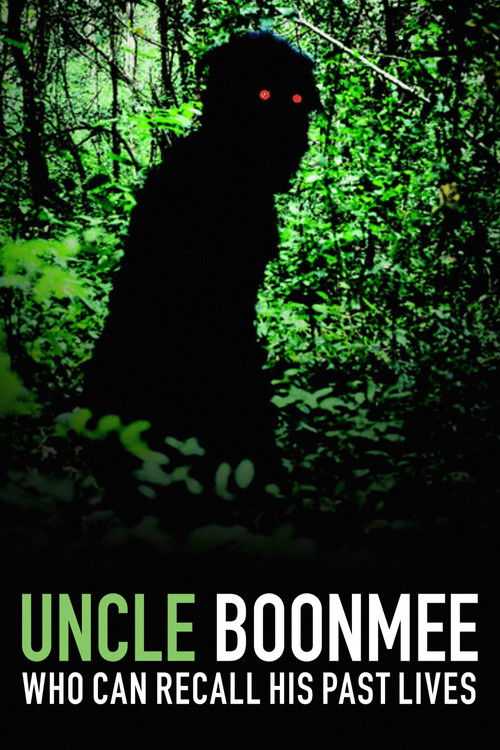
Uncle Boonmee Who Can Recall His Past Lives
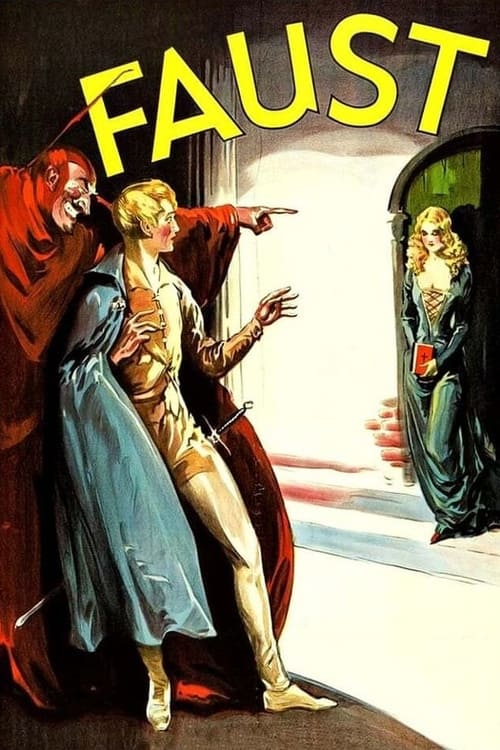
Faust

It's Such a Beautiful Day

Nekromantik

Kika

Valerie and Her Week of Wonders

Slack Bay

Memoria

Branded to Kill
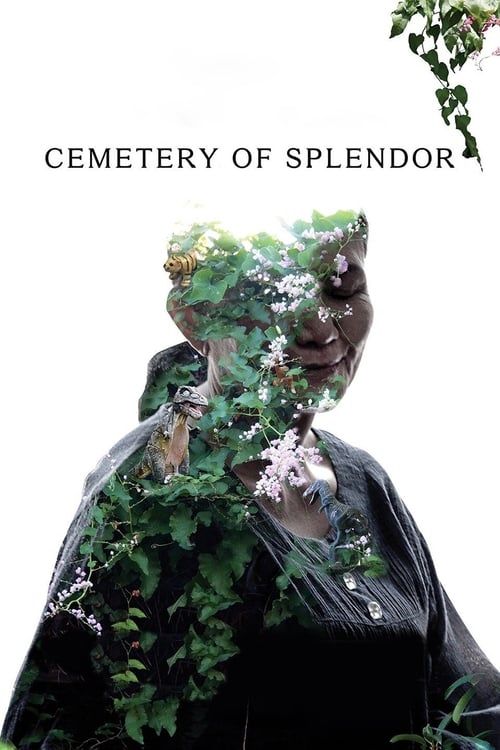
Cemetery of Splendor

Lisa and the Devil
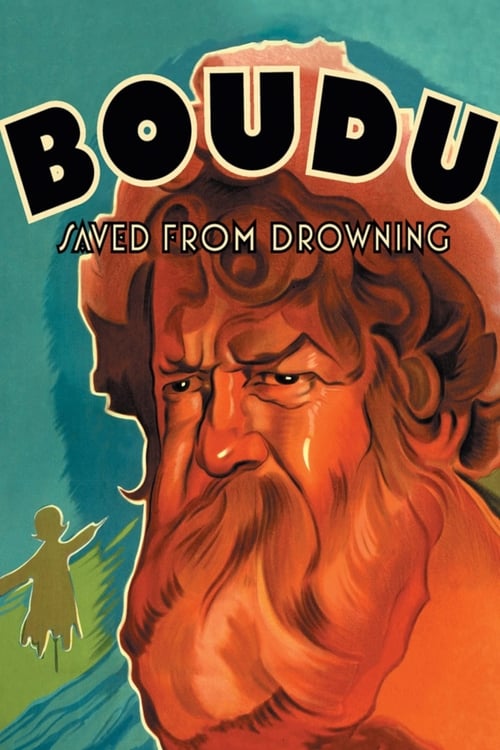
Boudu Saved from Drowning
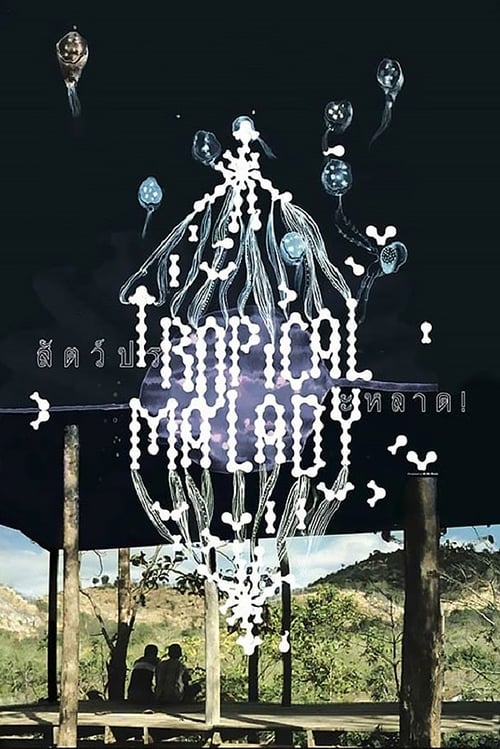
Tropical Malady

Billy Liar
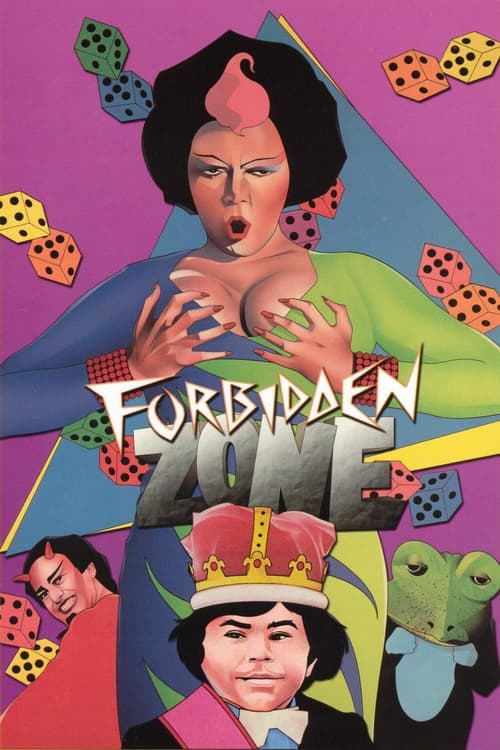
Forbidden Zone

Brewster McCloud

Syndromes and a Century
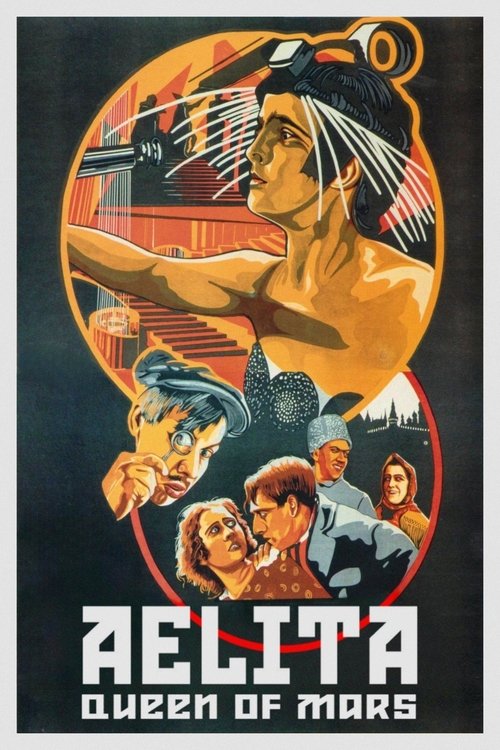
Aelita: Queen of Mars

The Devil's Envoys

Ganja & Hess

Blissfully Yours

Real
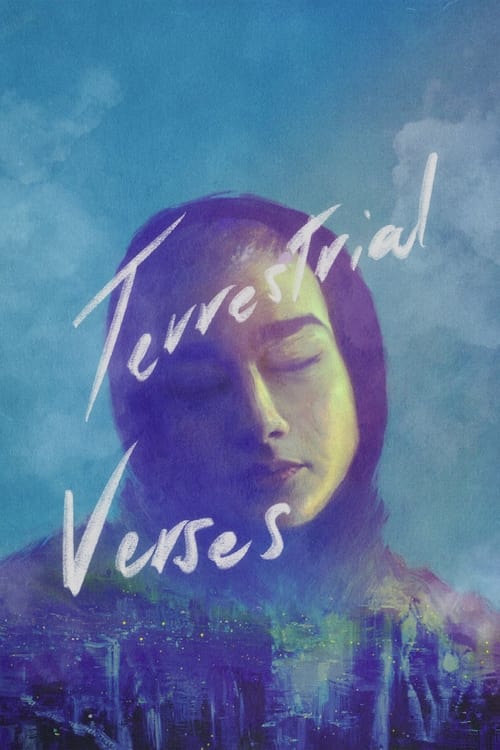
Terrestrial Verses

Get to Know Your Rabbit

Βank Bang

Cade: The Tortured Crossing

The Adventure of Iron Pussy

Suit Yourself or Shoot Yourself!! The Escape

Fever Room
Aelita: Queen of MarsFaustUn Chien AndalouBoudu Saved from DrowningThe Devil's EnvoysChildren of ParadiseThe Young and the DamnedThe Exterminating AngelViridianaBilly LiarBelle de JourBranded to Killif....El TopoValerie and Her Week of WondersFour Flies on Grey VelvetBrewster McCloudThe Discreet Charm of the BourgeoisieGet to Know Your RabbitAmarcordFantastic PlanetThe Holy MountainGanja & HessLisa and the DevilThe Man Who Fell to EarthEraserheadThe Tin DrumThe Elephant ManCity of the Living DeadThe BeyondForbidden ZoneAngel's EggBlue VelvetNekromantikSanta SangreWild at HeartBarton FinkDelicatessenTwin Peaks: Fire Walk with MeKikaSuit Yourself or Shoot Yourself!! The EscapeTrainspottingLost HighwayThe Straight StoryA Dog's WillDonnie DarkoMulholland DriveAdaptation.Punch-Drunk LoveFridaTalk to HerBlissfully YoursOldboyTropical MaladyThe Adventure of Iron PussyInland EmpireI'm a Cyborg, But That's OKSyndromes and a CenturyΒank BangThirstInceptionRubberUncle Boonmee Who Can Recall His Past LivesHoly MotorsIt's Such a Beautiful DayRealThe LobsterCemetery of SplendorFever RoomSlack BayMandyMemoriaTerrestrial VersesCade: The Tortured CrossingNo Other Choice