new german cinema
18 titles · 1962–1982 · Germany
A group of young directors signed the Oberhausen Manifesto in 1962 and announced that their fathers' cinema was dead. Over the twenty years that followed, Werner Herzog, Wim Wenders, Rainer Werner Fassbinder and Volker Schlondorff built a national cinema more or less from scratch, financed by the state because the old studio system barely still existed, and kept the camera outside the studio walls entirely. Herzog's answer was to leave the country: he took Aguirre, the Wrath of God down the Amazon behind a conquistador who wants gold more than he wants any of them to live. Wenders looked for the same distance from home: Paris, Texas opens on a man walking out of the American desert with no idea who he is. Fassbinder stayed and looked straight at the years everyone else wanted to skip: he married the heroine of The Marriage of Maria Braun to a soldier in the last days of the war and followed her through the boom that came after. Each film argues with the fathers' cinema in its own direction, and none of them is in a hurry.
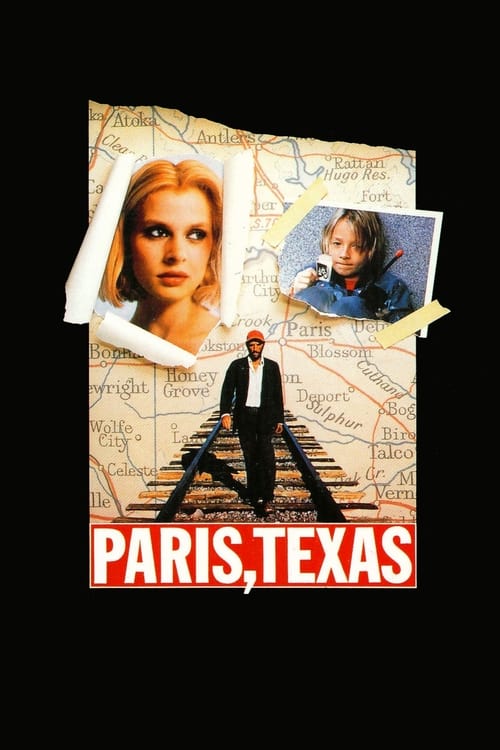
Paris, Texas
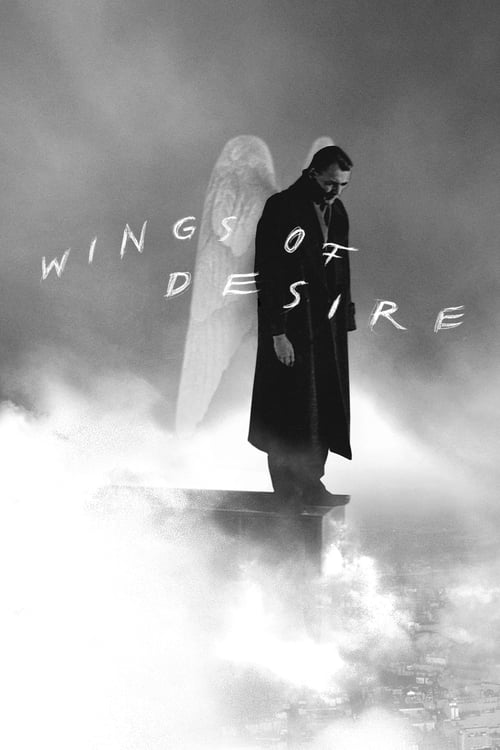
Wings of Desire
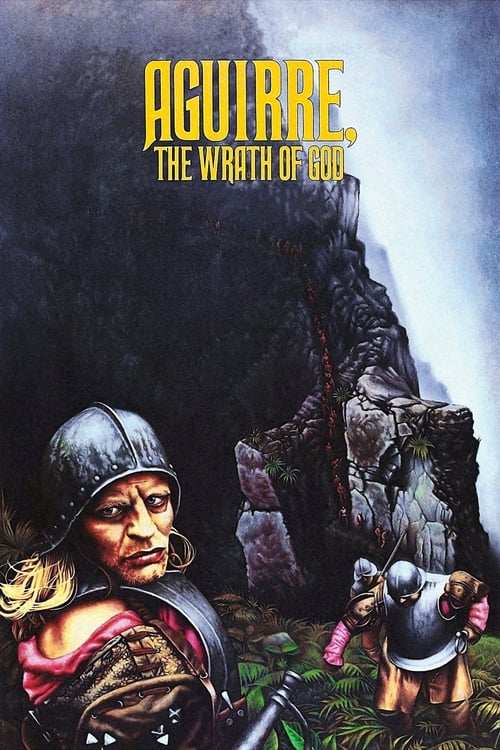
Aguirre, the Wrath of God
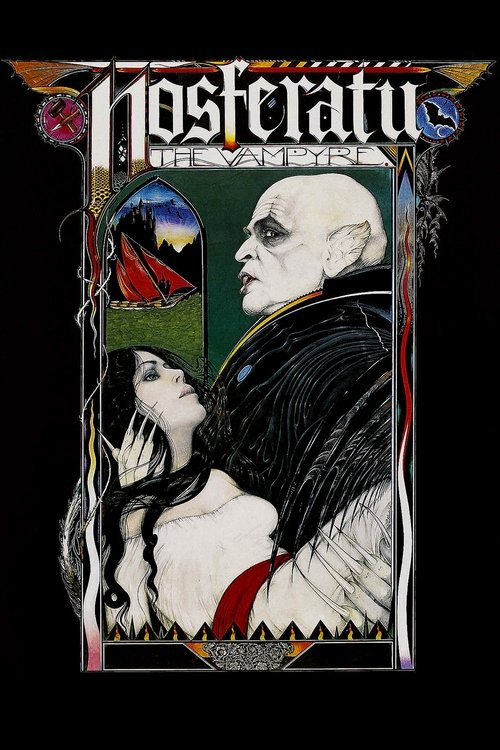
Nosferatu the Vampyre
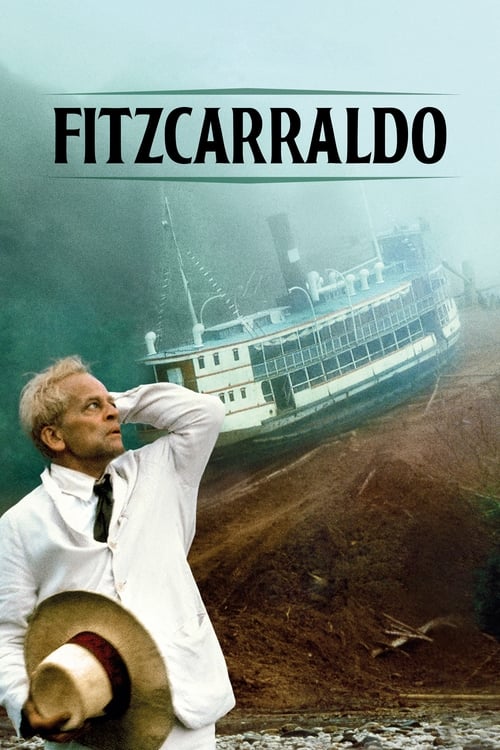
Fitzcarraldo

The Tin Drum
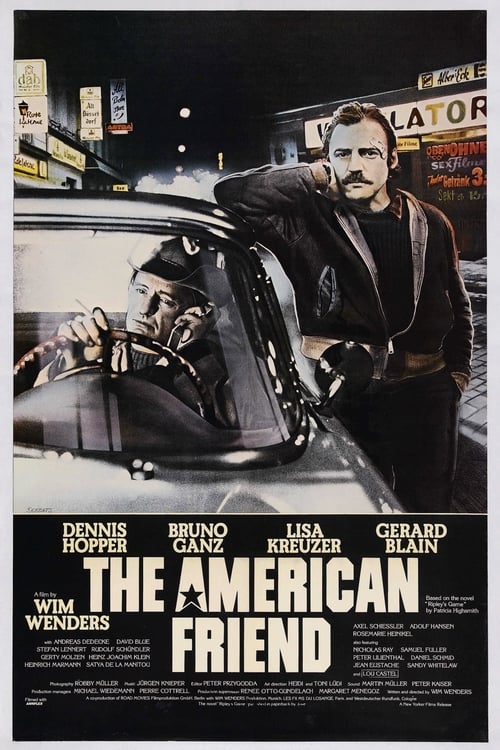
The American Friend

Ali: Fear Eats the Soul
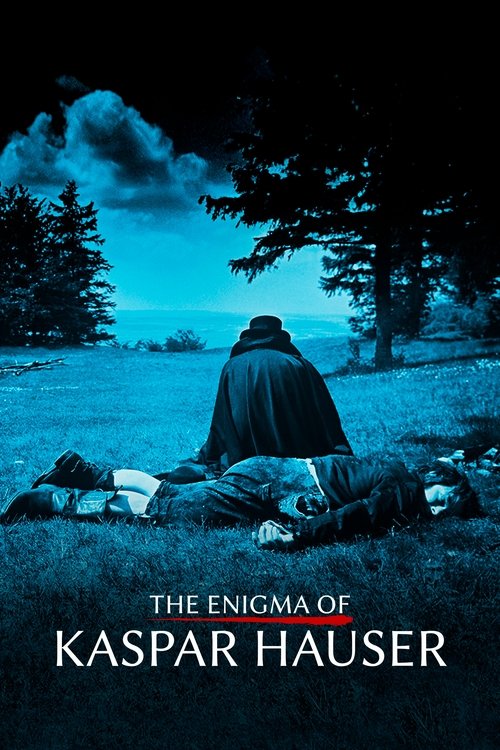
The Enigma of Kaspar Hauser
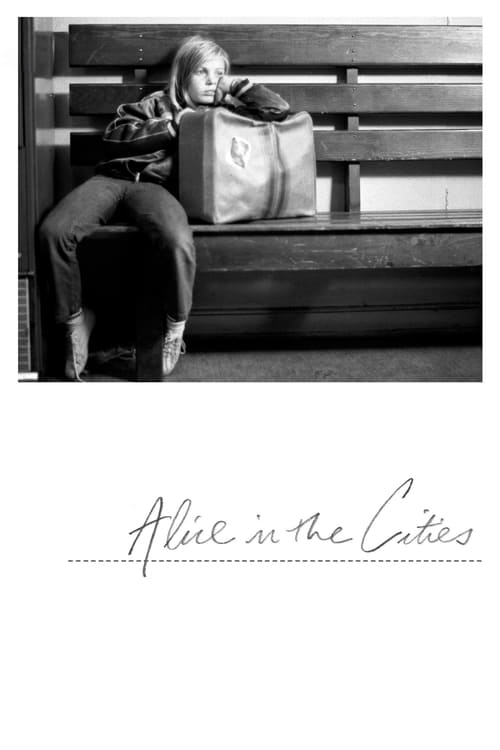
Alice in the Cities

Stroszek

The Marriage of Maria Braun

The Bitter Tears of Petra von Kant
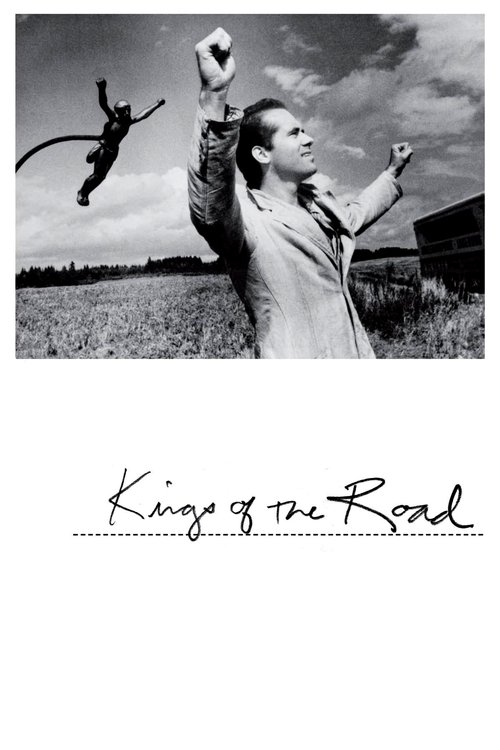
Kings of the Road
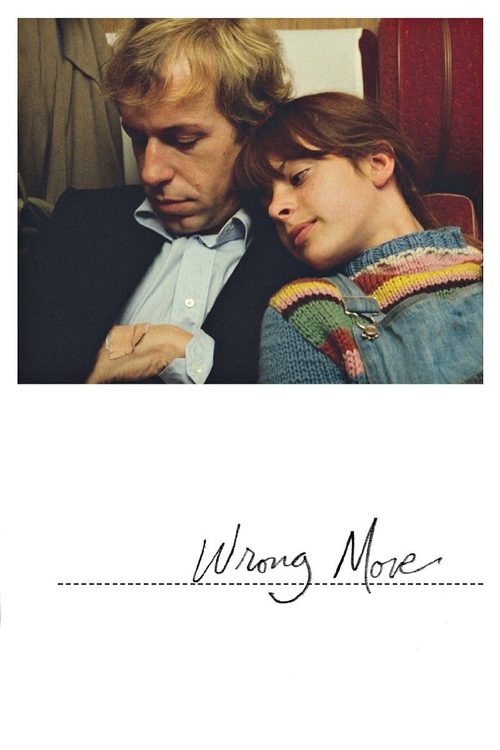
Wrong Move
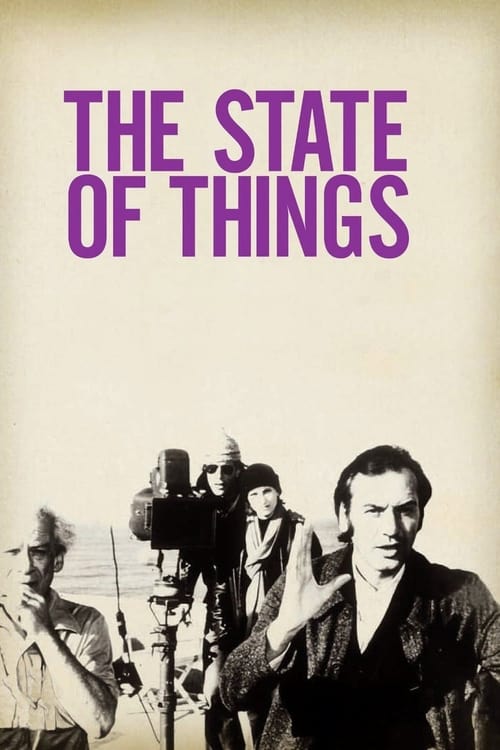
The State of Things
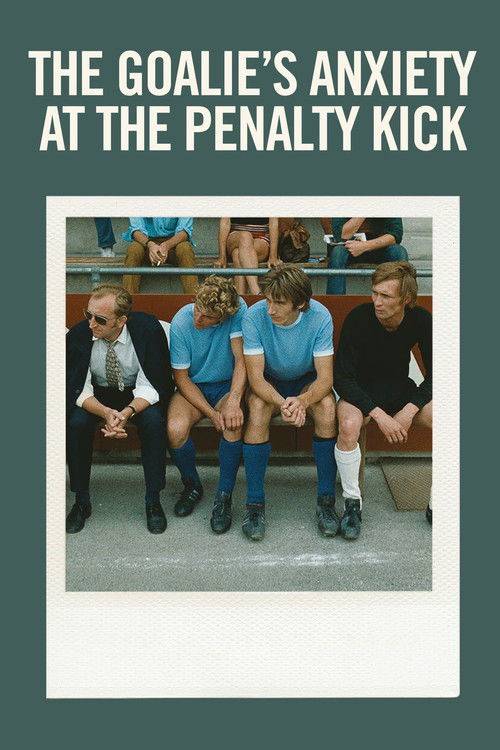
The Goalie's Anxiety at the Penalty Kick
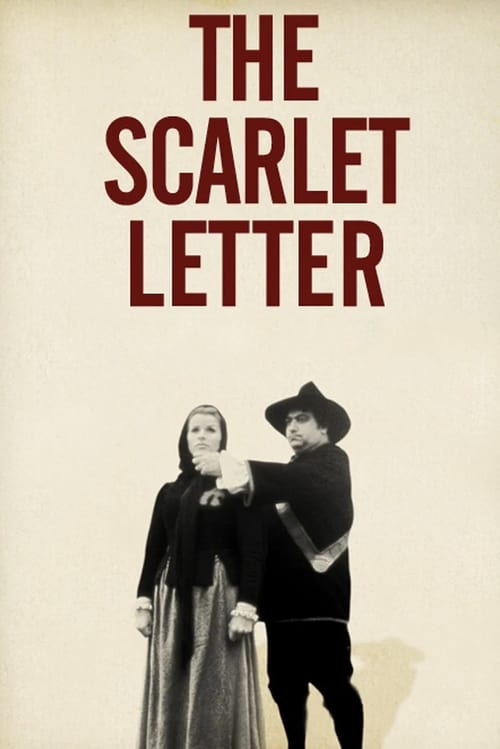
The Scarlet Letter
Aguirre, the Wrath of GodThe Bitter Tears of Petra von KantThe Scarlet LetterAli: Fear Eats the SoulThe Enigma of Kaspar HauserAlice in the CitiesWrong MoveThe Goalie's Anxiety at the Penalty KickKings of the RoadThe American FriendStroszekNosferatu the VampyreThe Tin DrumThe Marriage of Maria BraunFitzcarraldoThe State of ThingsParis, TexasWings of Desire