new queer cinema
24 titles · 1990–present · United States / International
B. Ruby Rich coined the phrase in a 1992 Sight and Sound piece, describing a run of Sundance and Toronto debuts with no interest in playing the noble victim. Todd Haynes, Gregg Araki, Gus Van Sant, Derek Jarman, Tom Kalin and Jennie Livingston built the wave out over the six years that followed. The films came out of the AIDS crisis, independently financed with no studio behind them, made while the same administration spent most of the epidemic refusing to respond to it. Araki put two HIV-positive men on a cross-country crime spree in The Living End, refusing them the deathbed the disease was supposed to hand them. Kalin shot Swoon in black and white with a noir's cold lighting, so the crime-picture look announced itself before the story did. Van Sant's My Own Private Idaho sends a narcoleptic hustler looking for his mother, alongside a rich friend who is only visiting the street he lives on. Paris Is Burning spent seven years inside Harlem's Black and Latinx drag-ball houses, filming the fashion contests and the house mothers, in a world the film itself calls rampant with homophobia, transphobia, racism, AIDS and poverty. The films are unembarrassed, and that is still what they feel like.
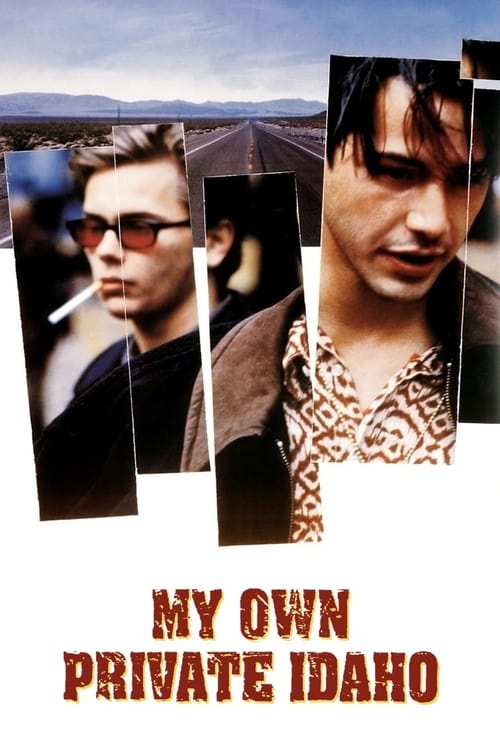
My Own Private Idaho
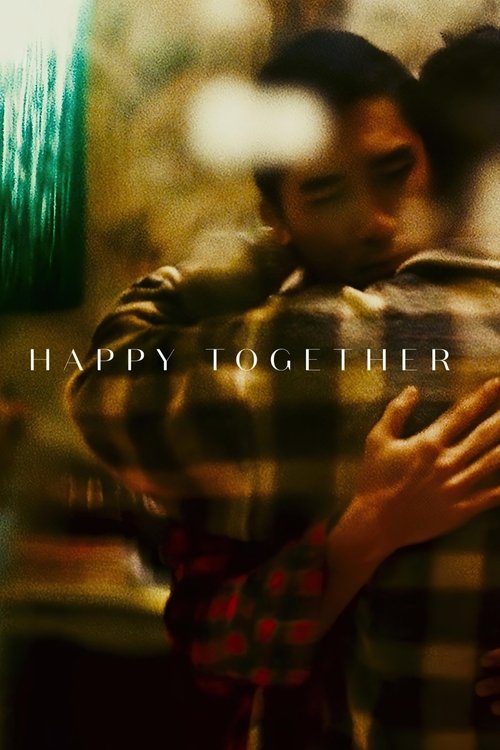
Happy Together
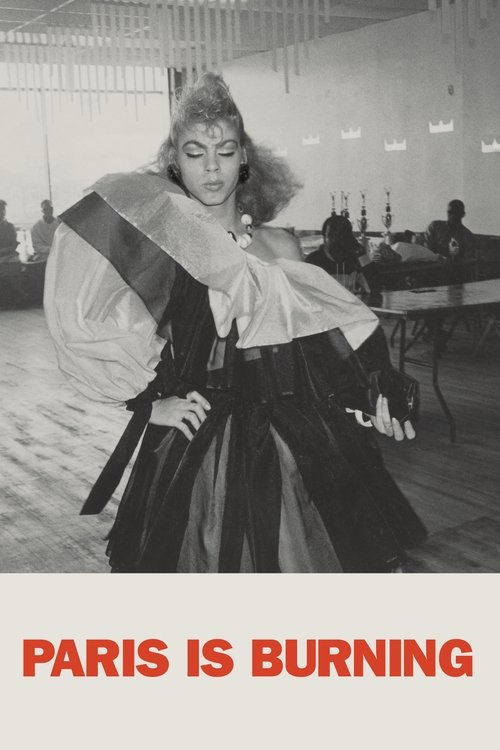
Paris Is Burning
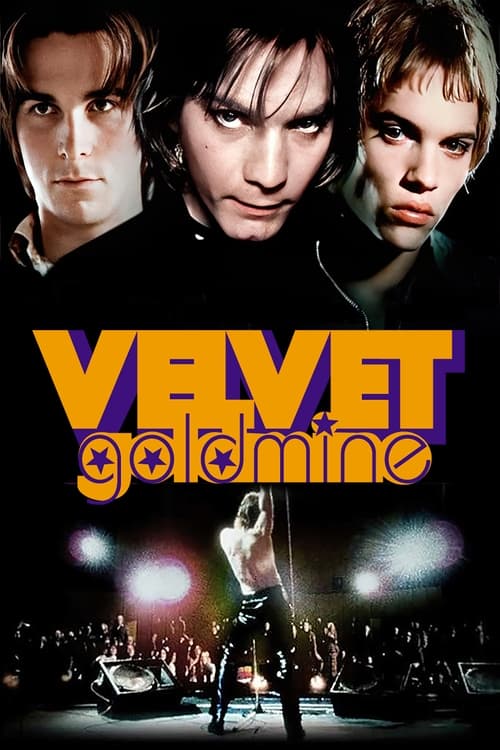
Velvet Goldmine

The Doom Generation
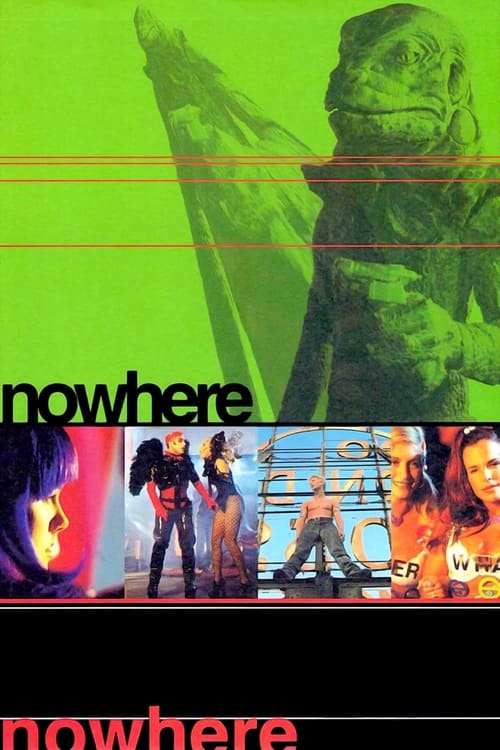
Nowhere

Totally F***ed Up

The Watermelon Woman

Poison
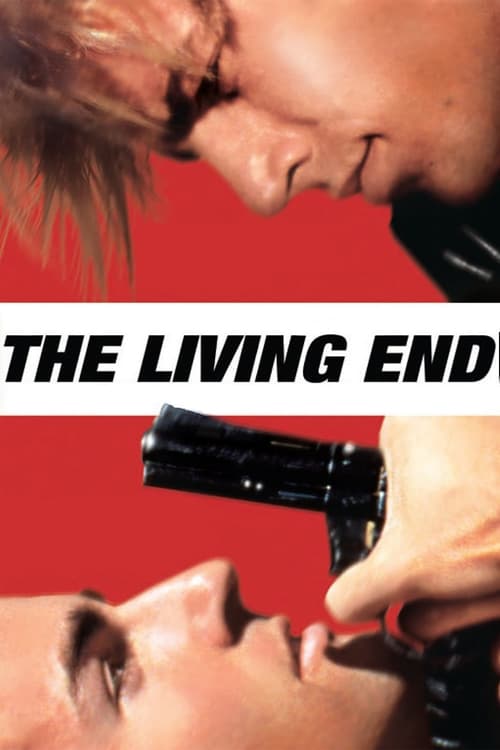
The Living End
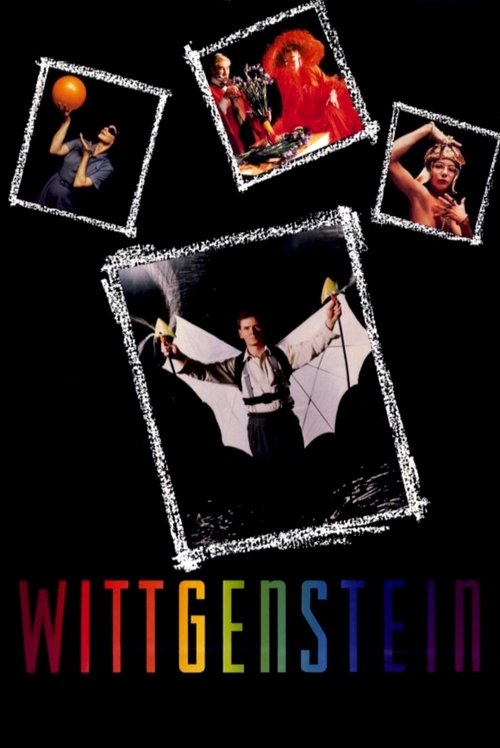
Wittgenstein

Blue
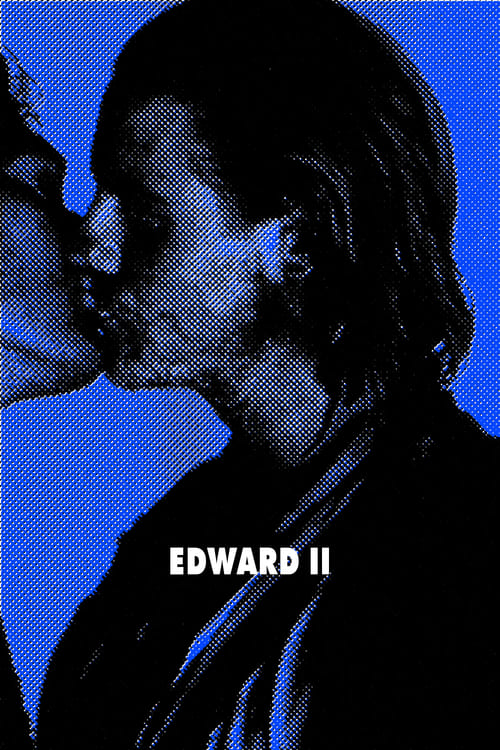
Edward II
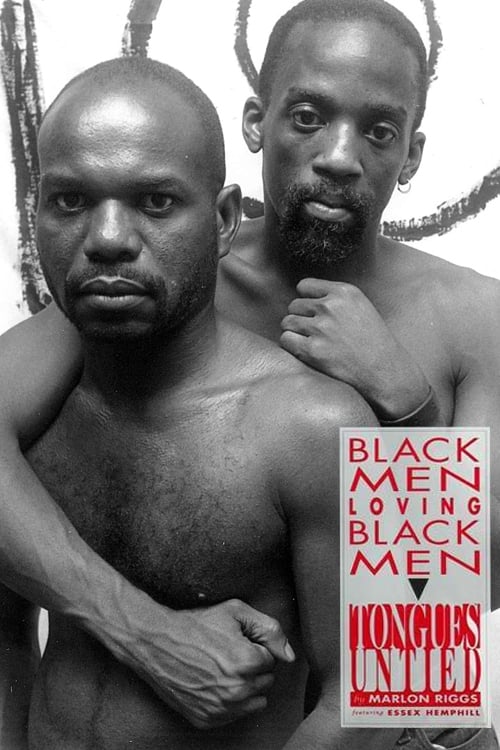
Tongues Untied
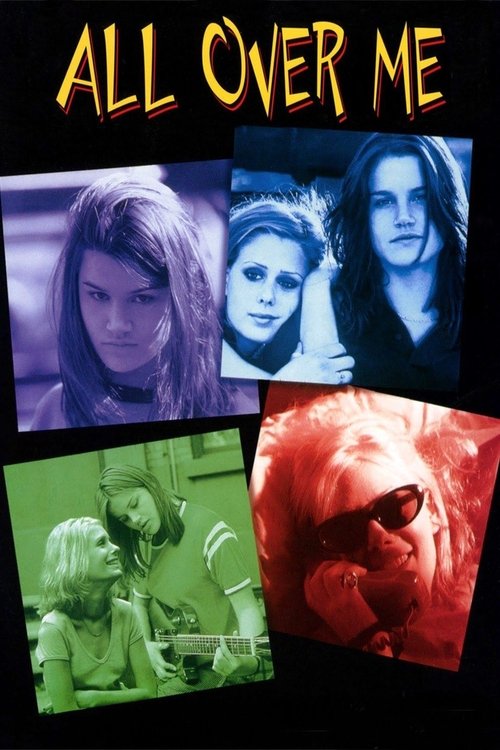
All Over Me

Go Fish

Hustler White
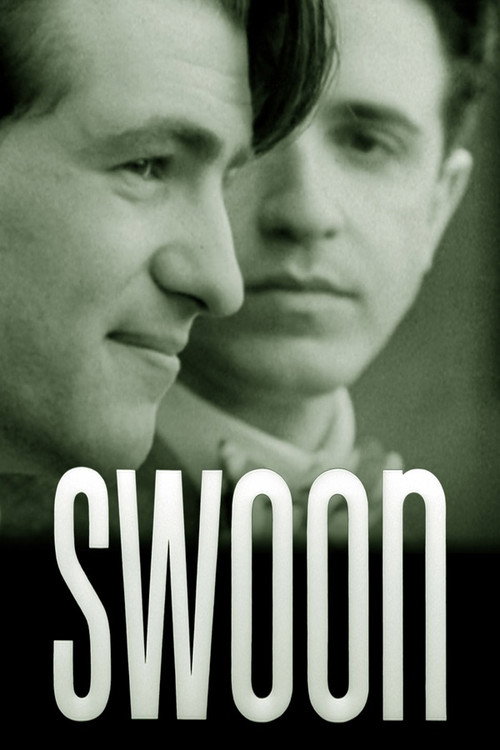
Swoon
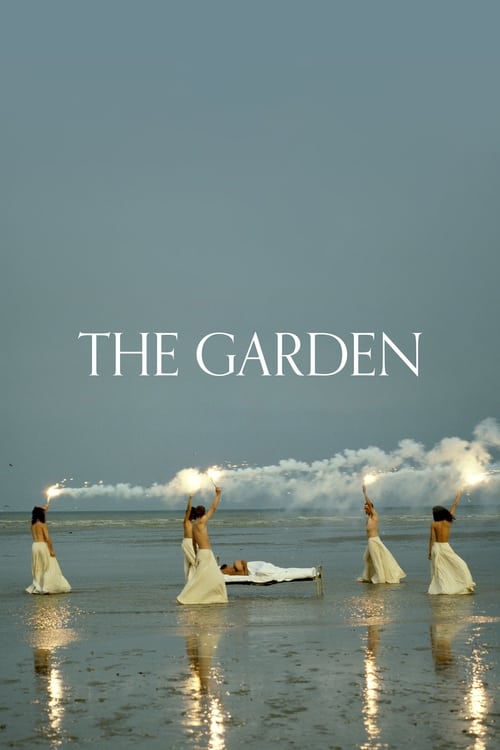
The Garden
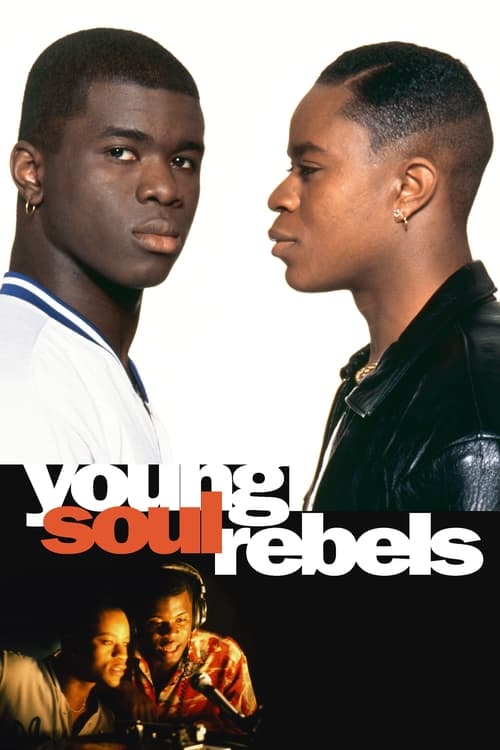
Young Soul Rebels
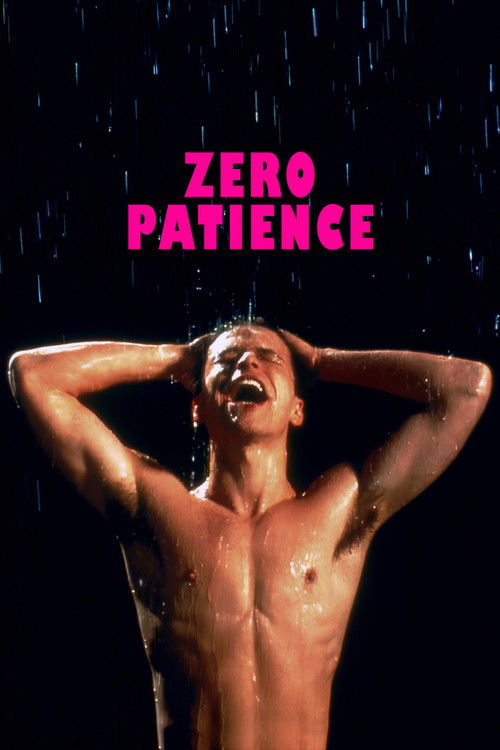
Zero Patience
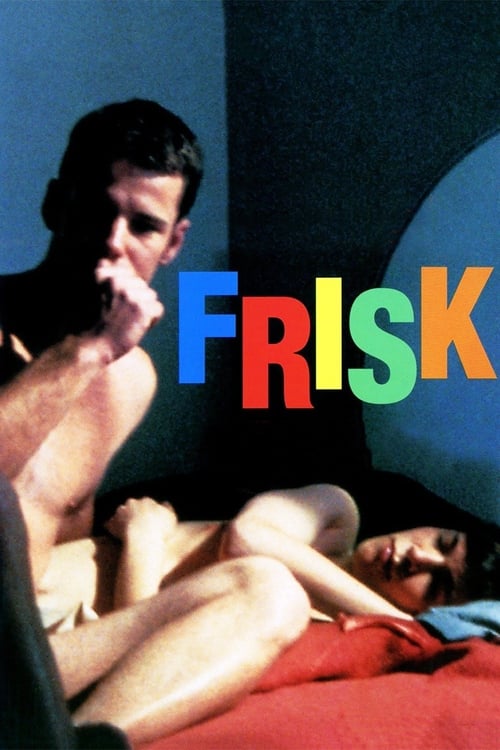
Frisk
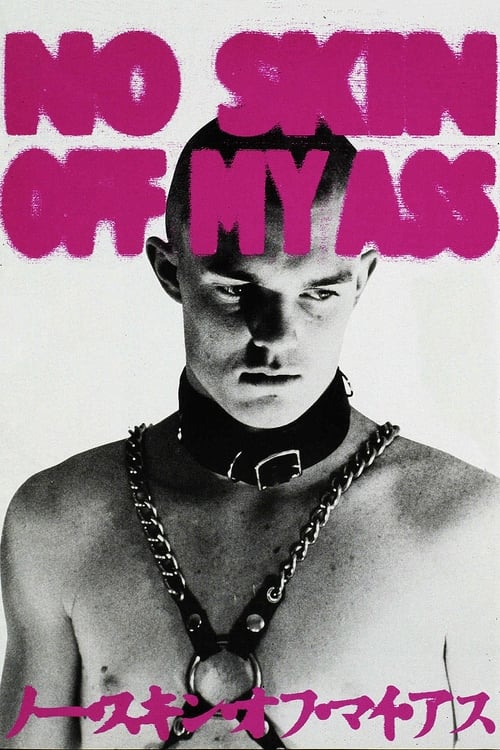
No Skin Off My Ass
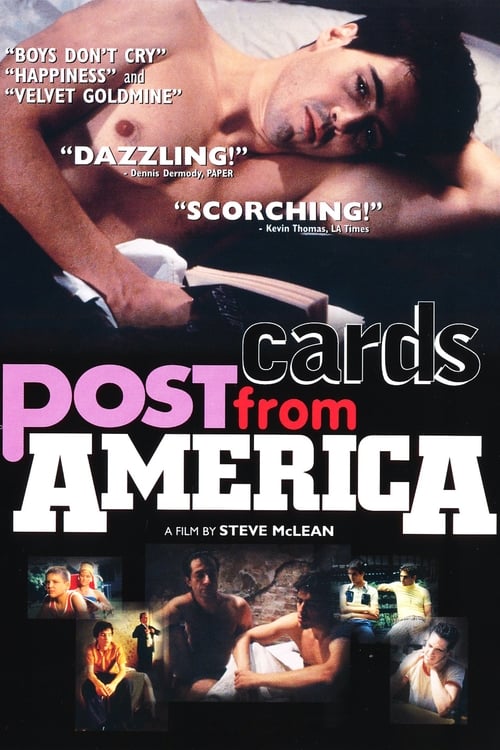
Postcards from America
Tongues UntiedThe GardenMy Own Private IdahoParis Is BurningPoisonEdward IIYoung Soul RebelsNo Skin Off My AssThe Living EndSwoonWittgensteinBlueZero PatienceTotally F***ed UpGo FishThe Doom GenerationPostcards from AmericaHustler WhiteFriskHappy TogetherNowhereThe Watermelon WomanAll Over MeVelvet Goldmine