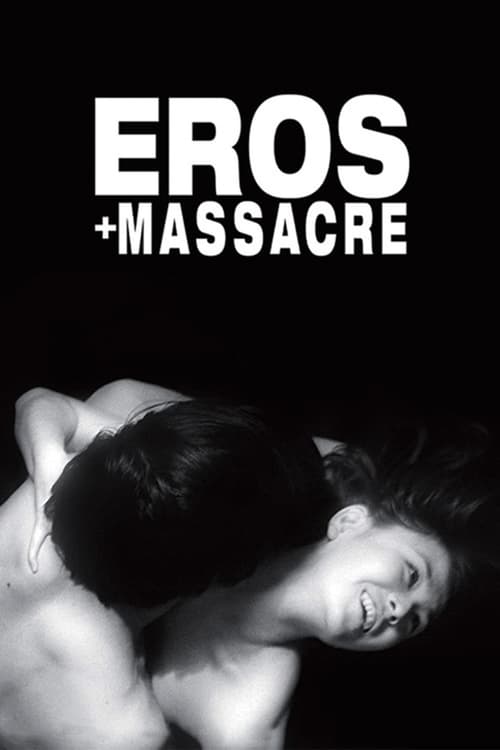
Eros + Massacre
dir. Yoshishige Yoshida · 1969
True freedom in relationships and personal identity can only be achieved through independence and the rejection of societal norms.
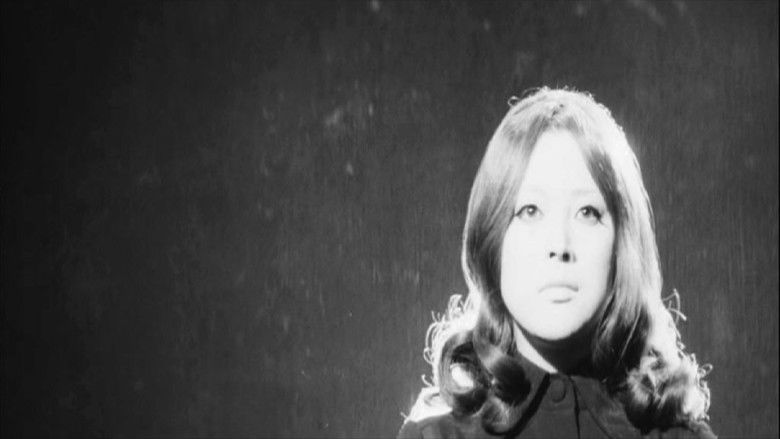
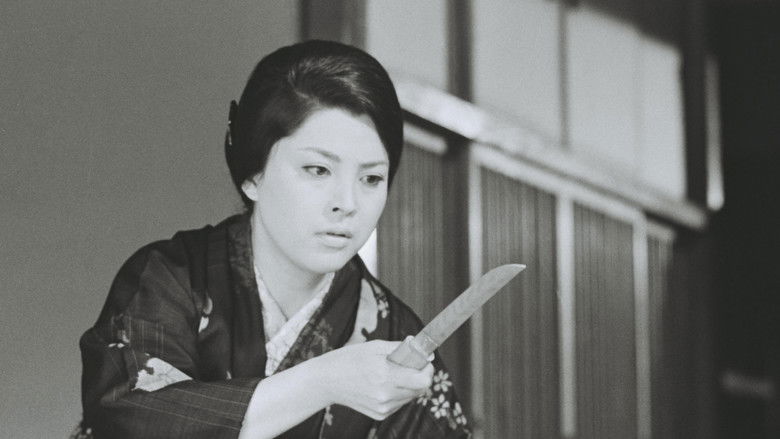
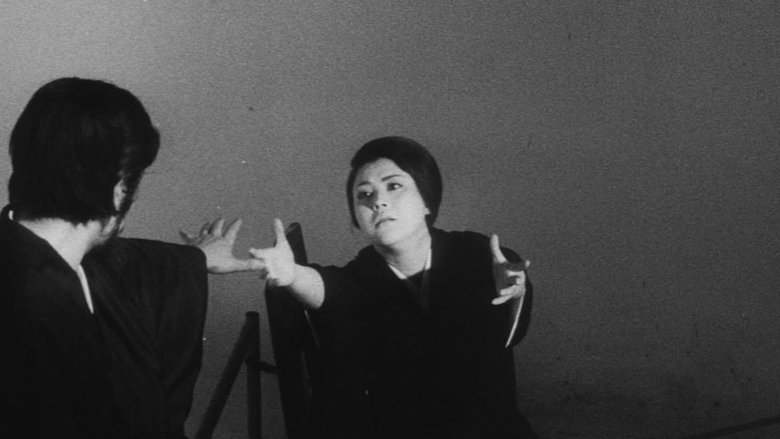
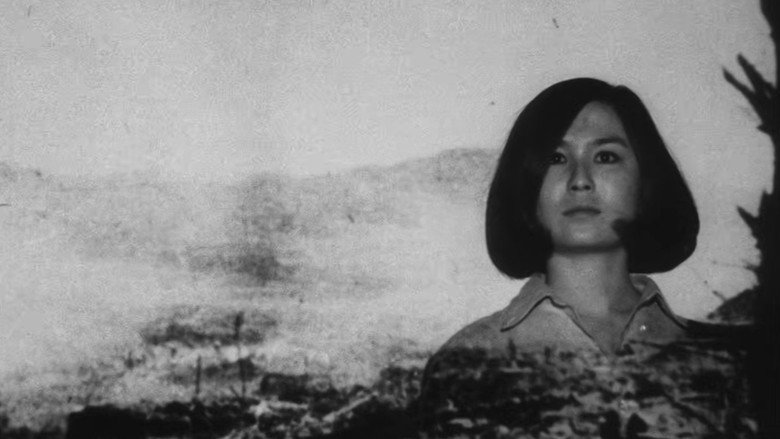
Sakae Osugi, an anarchist revolutionary, philosophizes about love and freedom while navigating complex relationships with women who challenge societal norms. As the film oscillates between the 1920s and 1969, viewers are drawn into a contemplative exploration of how personal choices reflect broader societal upheavals. Watching it feels like wandering through a dreamscape of ideas, where the weight of history and the lightness of youthful exploration coexist.
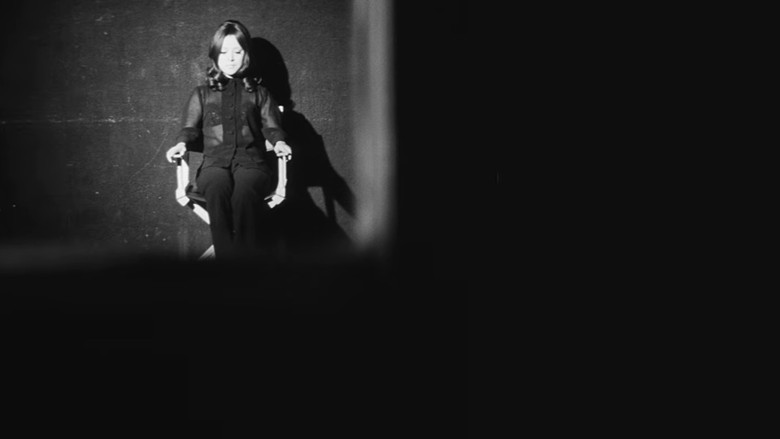
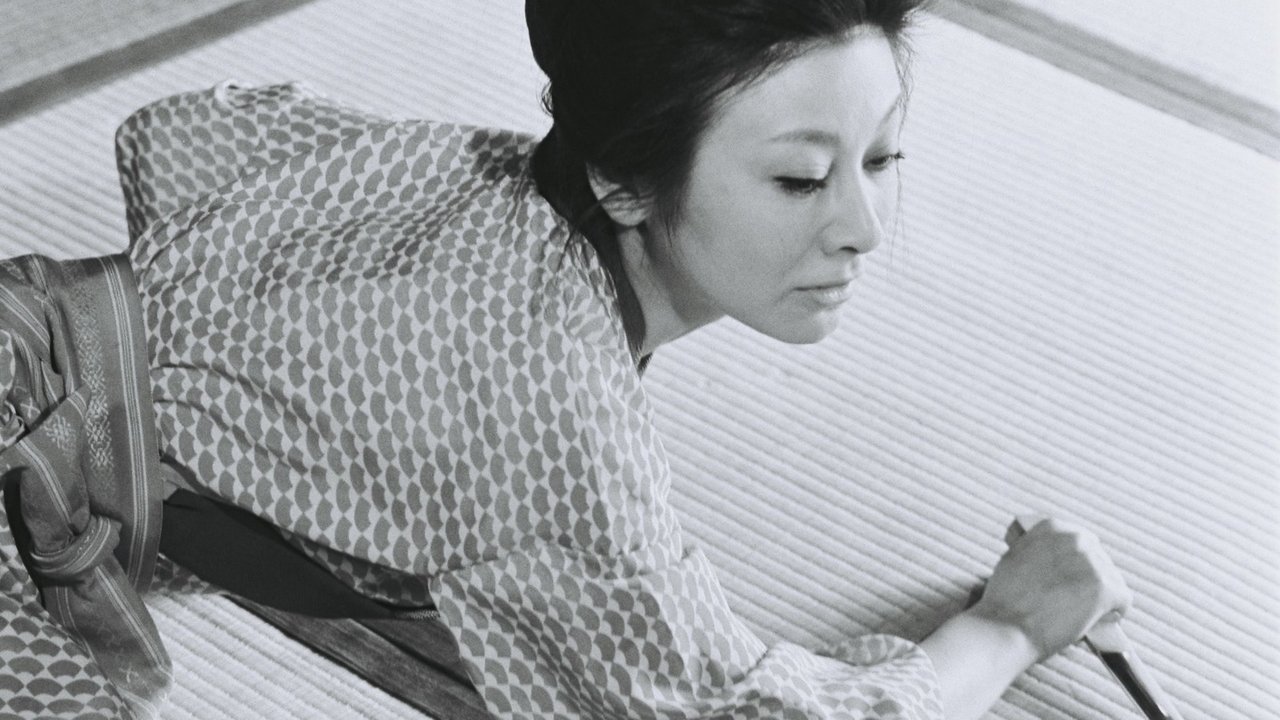
In the 1920s, the anarchist revolutionary Sakae Osugi is financially supported by his wife, journalist Itsuko Masaoka. He spends his time doing nothing but philosophizing about political systems and free love and visiting with his lovers Yasuko and the earlier feminist Noe Ito. He conveniently defends three principles for a relationship between a man and a woman: they should be financially independent (despite the fact that he is not); they should live in different places; and they should be free to have sex with other people. In 1969, twenty-year-old student, Eiko Sokuta is sexually active with various men. Her friend, Wada, is obsessed with fire and they usually play odd games using a camera while they read about Osugi and Ito.
Talking points
- the role of love in political activism
- the impact of historical figures on contemporary thought
- the nature of freedom in relationships
- the intersection of personal and political identities