japanese new wave
50 titles · 1956–1972 · Japan
Shochiku's studio head, Shiro Kido, put money behind a run of young directors starting in 1956, hoping that "cheaply made, innovative pictures could emulate the success of the Nouvelle Vague in Europe": the Japanese press coined the term Nuberu Bagu from that same French label and it stuck. Nagisa Oshima, Shohei Imamura, Hiroshi Teshigahara and Kaneto Shindo took the budget and went at Japan's postwar restraint with politics and sex instead, working through the American occupation and the Security Treaty protests, and Kido withdrew his backing within a few years. What the studio's money bought is still on screen: Woman in the Dunes holds a vacationing entomologist in a sand pit, trapped by villagers and made to shovel alongside a woman who has been doing it for years, the camera never flinching from what looks like an ordinary work routine. Death by Hanging pushes the same calm further, letting a condemned Korean man survive his own execution so his executioners can spend two hours arguing, in a straight face, about what they are now obliged to do to him.
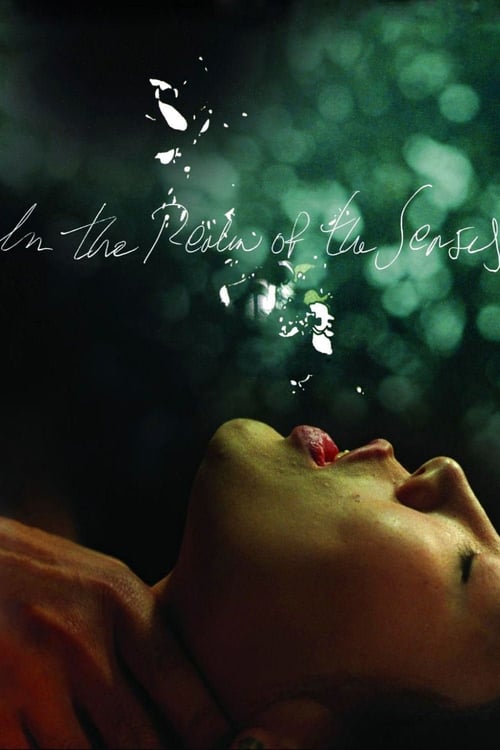
In the Realm of the Senses
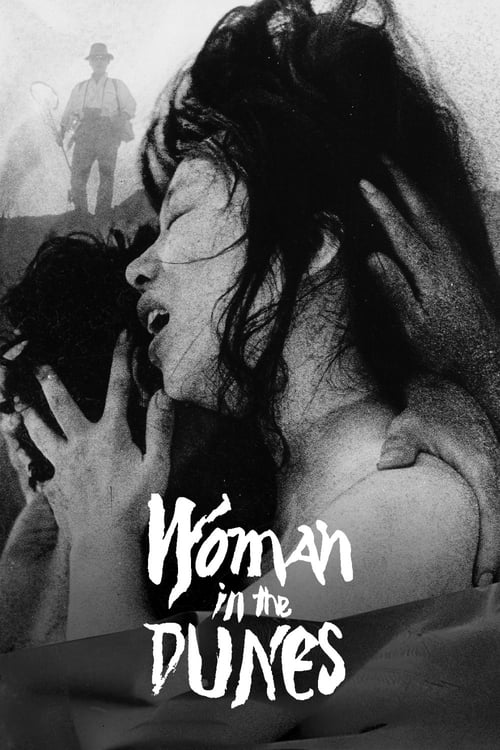
Woman in the Dunes
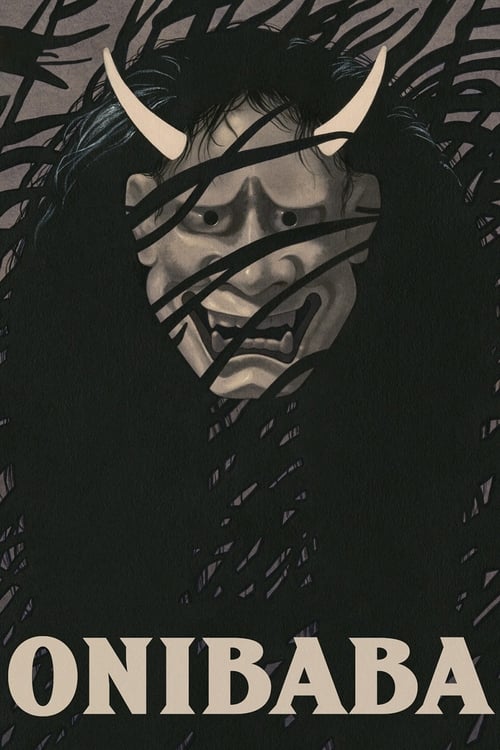
Onibaba
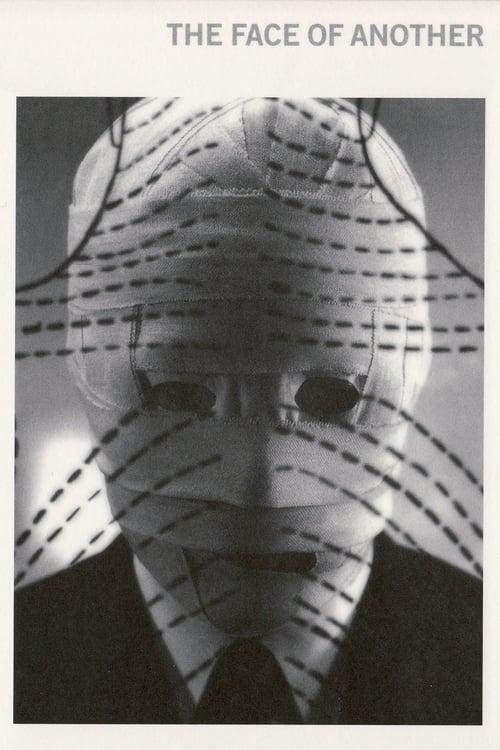
The Face of Another
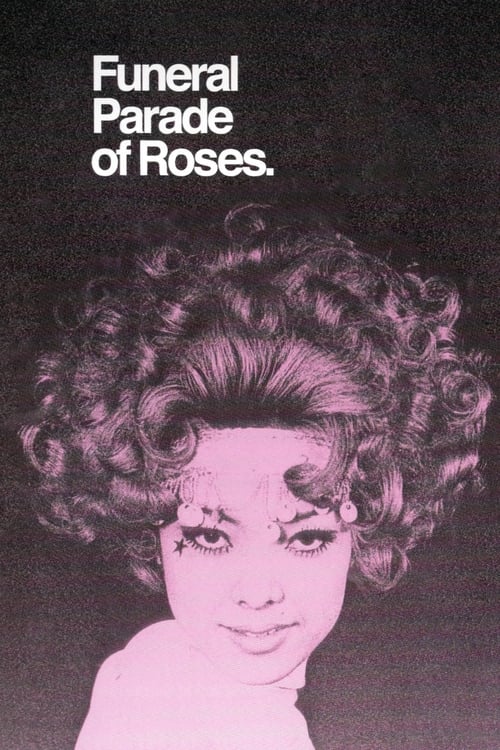
Funeral Parade of Roses
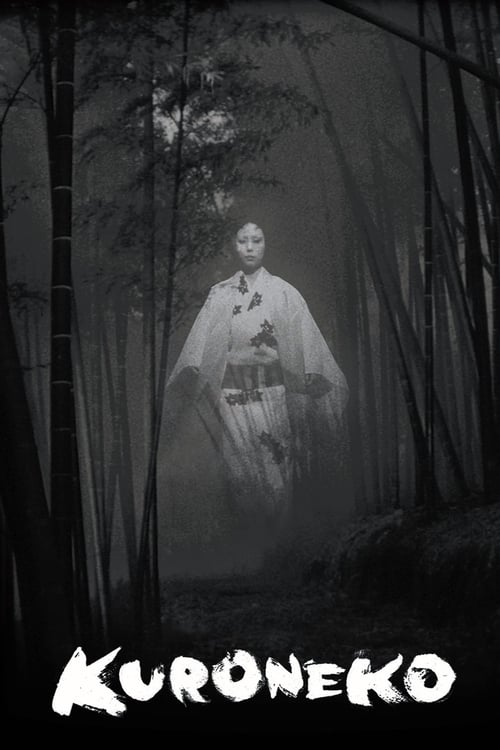
Kuroneko
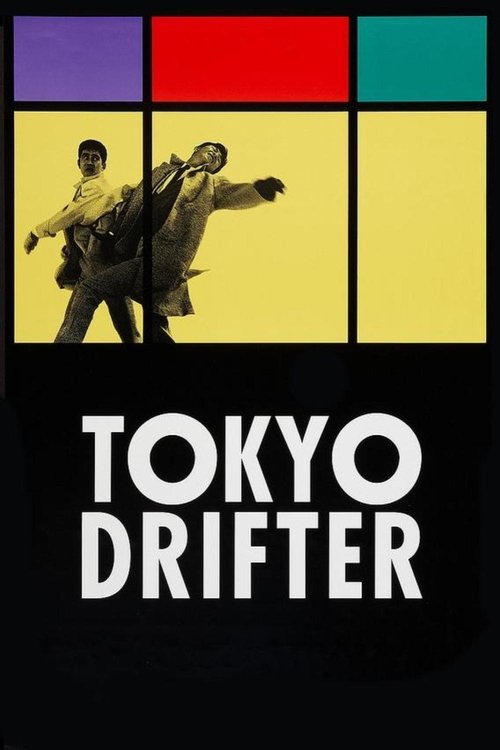
Tokyo Drifter
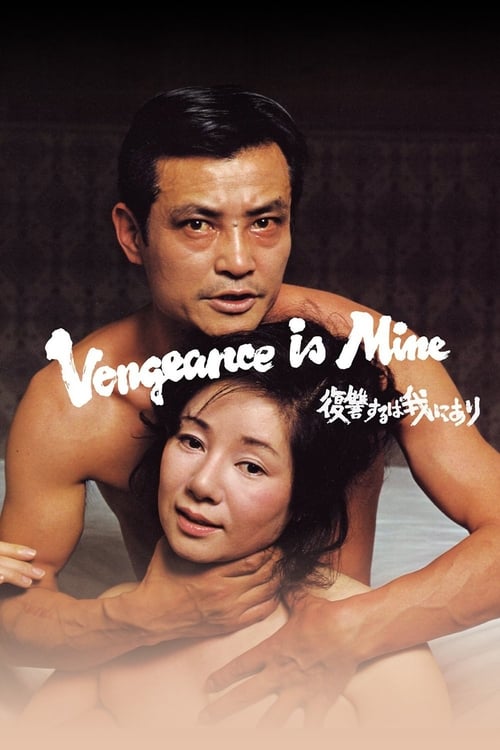
Vengeance Is Mine
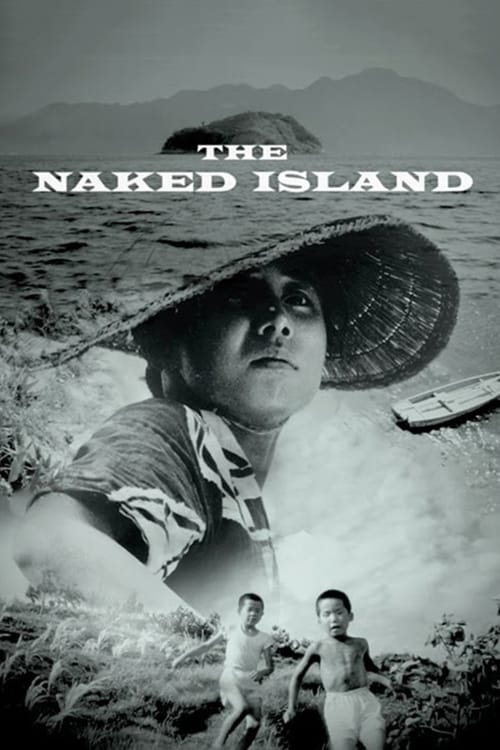
The Naked Island
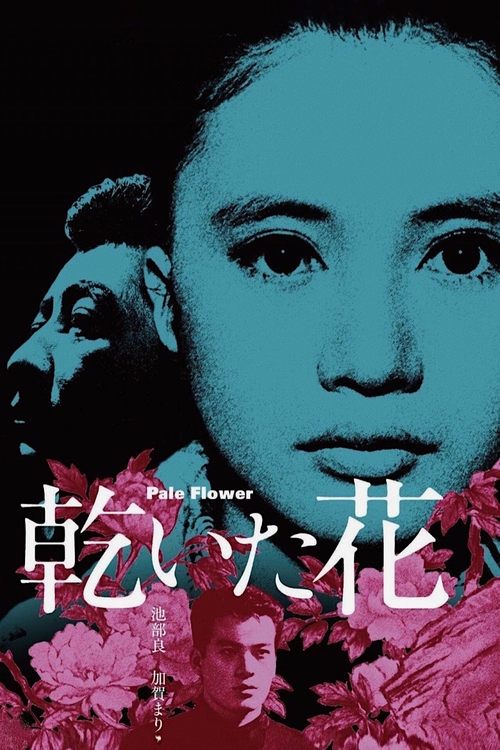
Pale Flower
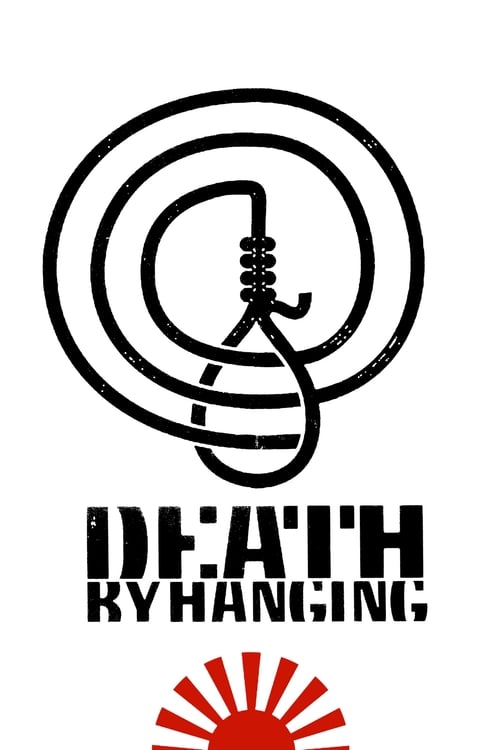
Death by Hanging

Pitfall
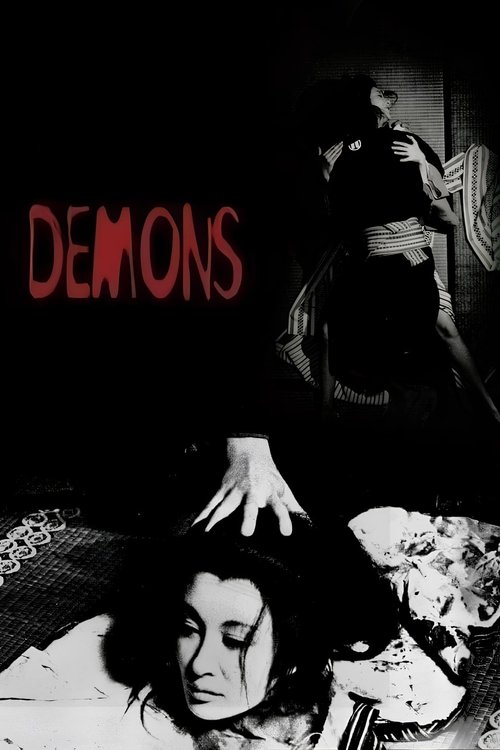
Demons
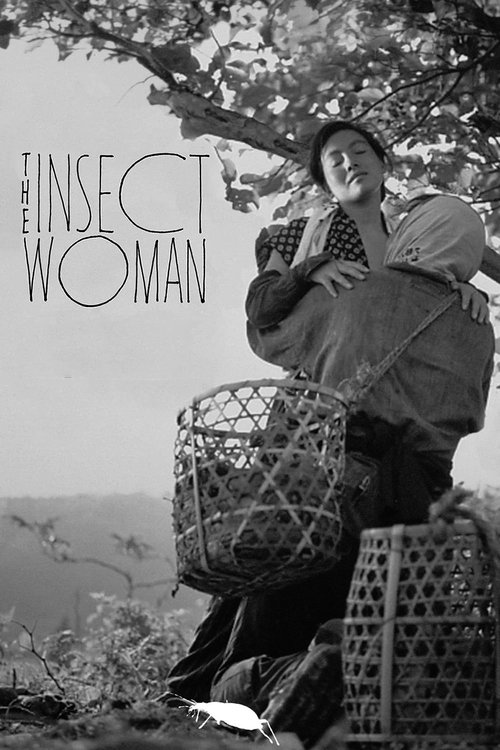
The Insect Woman
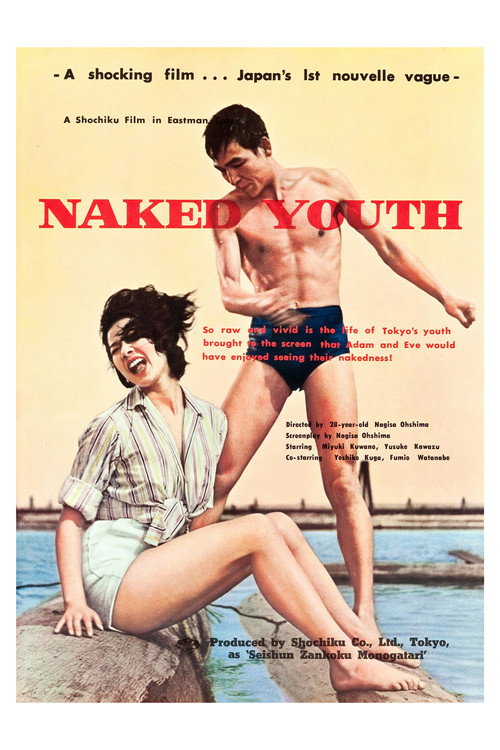
Cruel Story of Youth
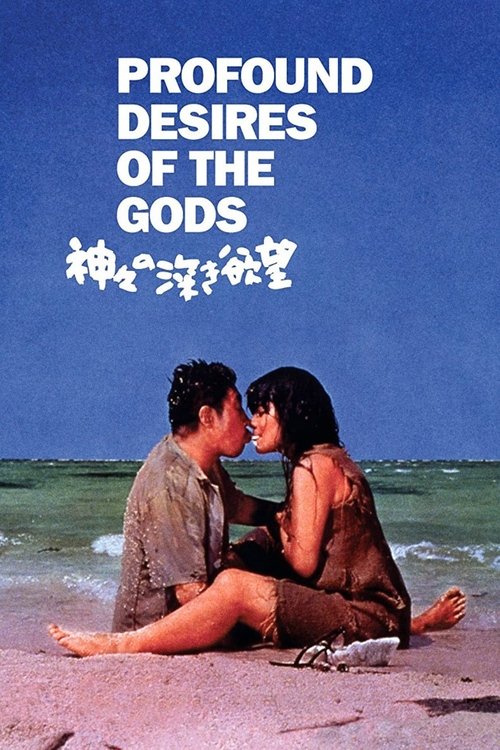
Profound Desires of the Gods
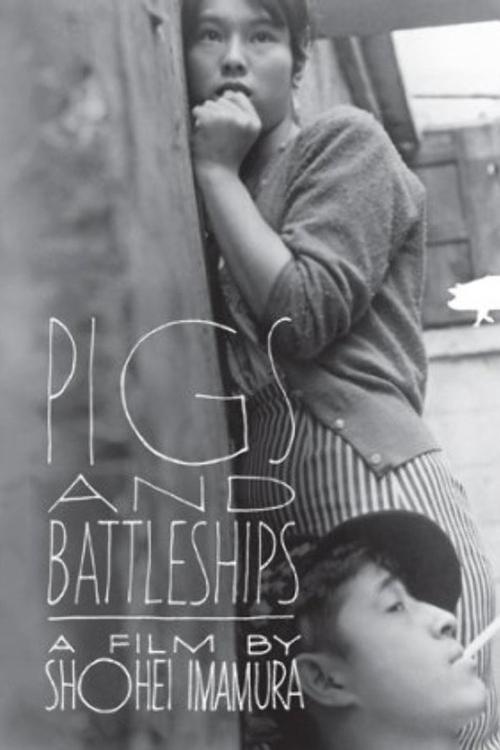
Pigs and Battleships
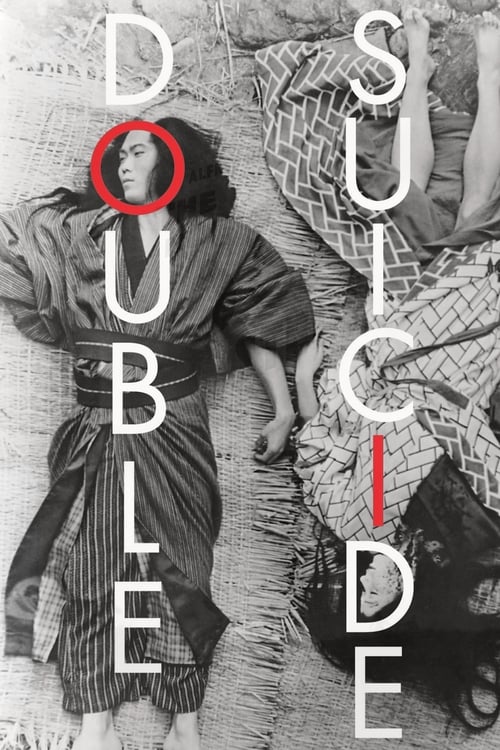
Double Suicide
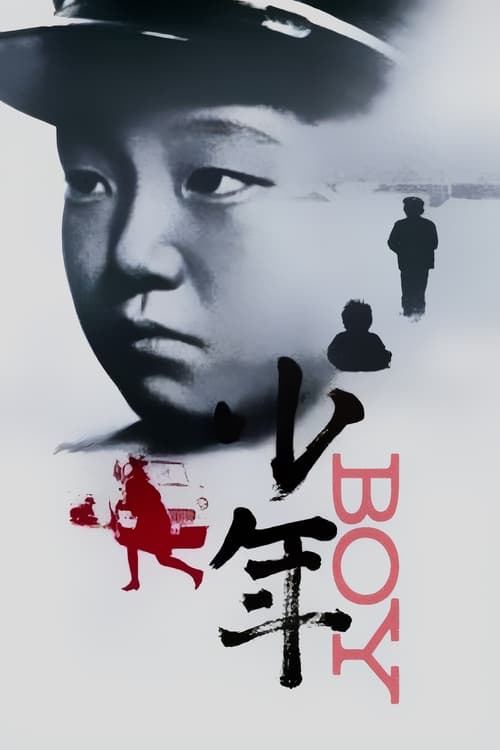
Boy
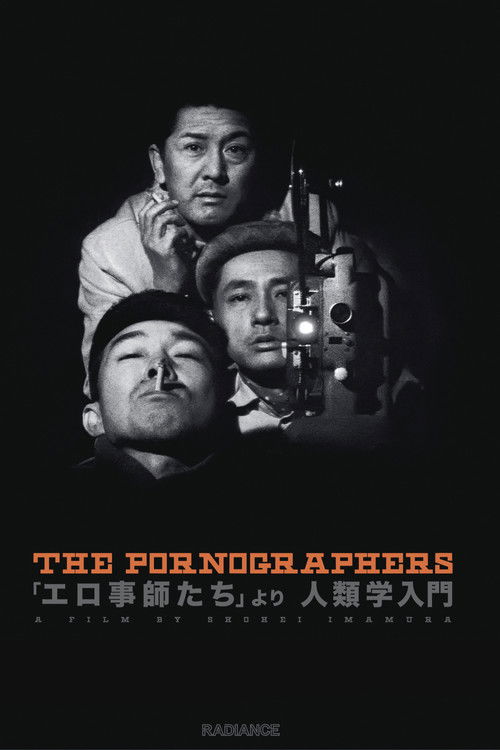
The Pornographers
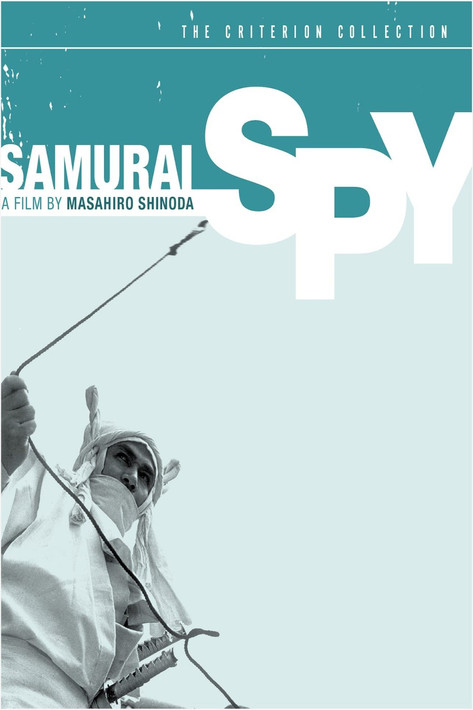
Samurai Spy
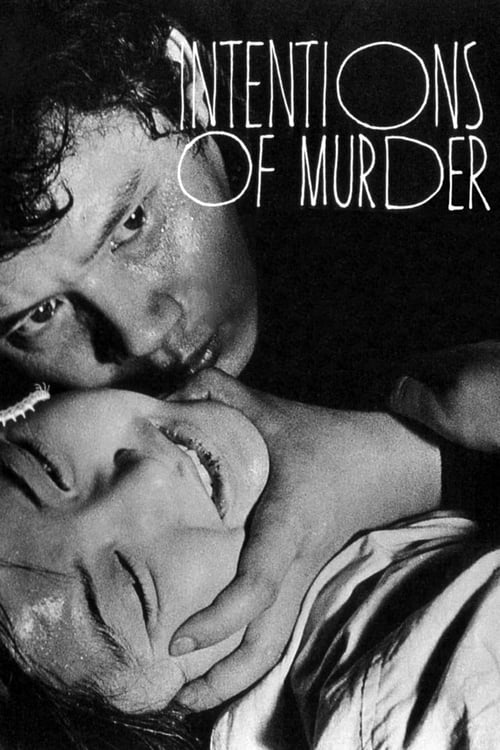
Intentions of Murder
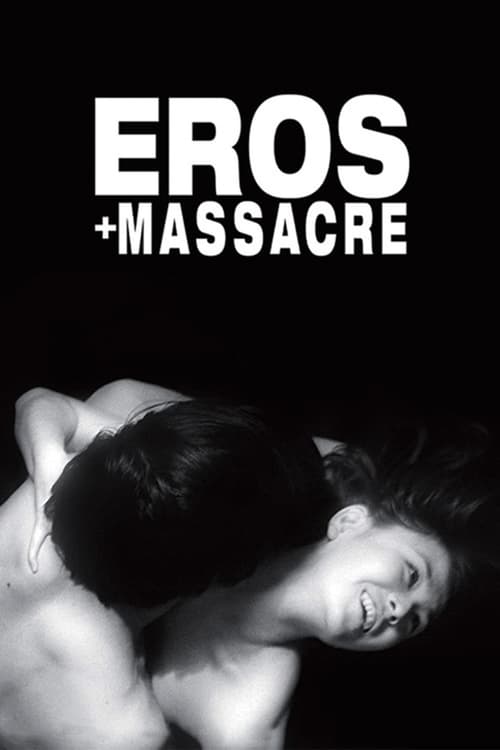
Eros + Massacre
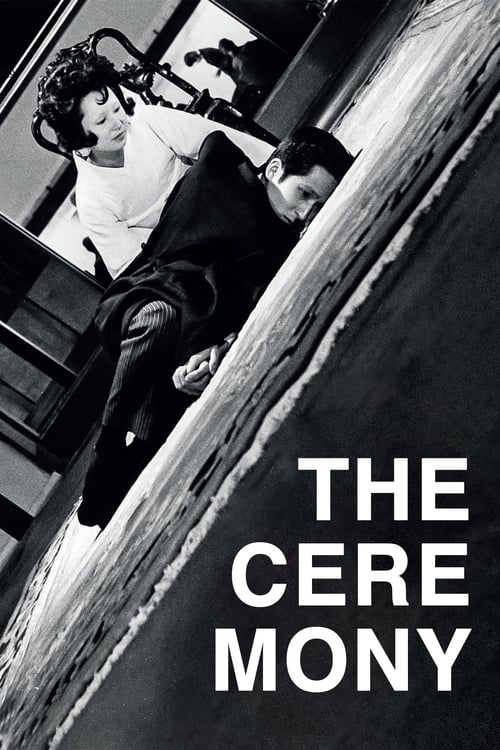
The Ceremony
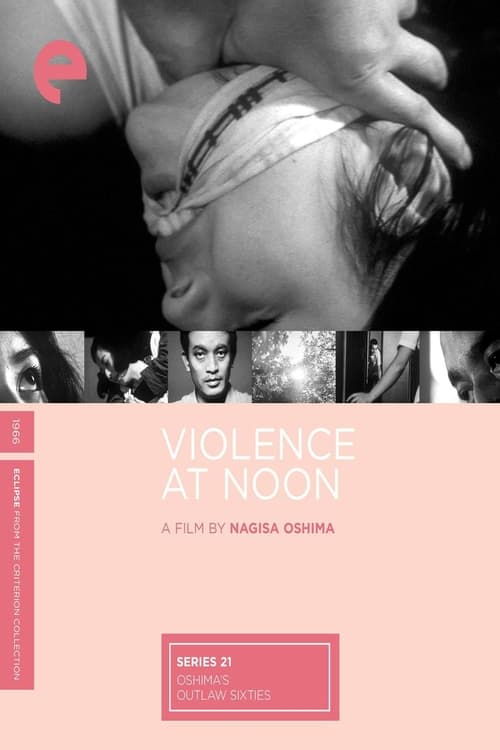
Violence at Noon
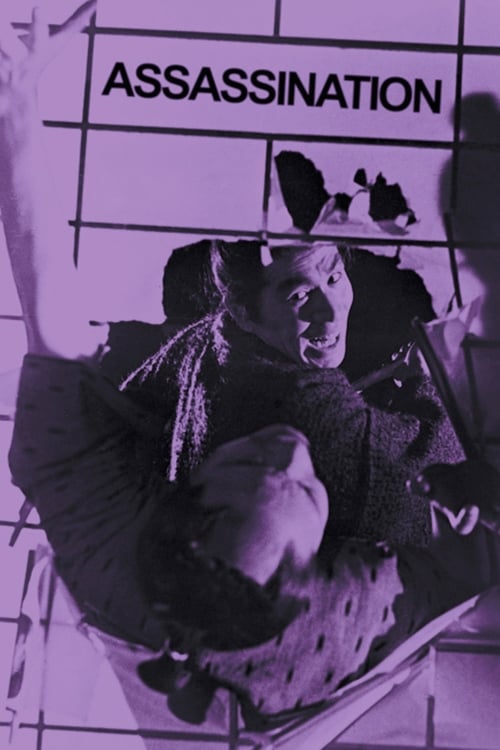
Assassination
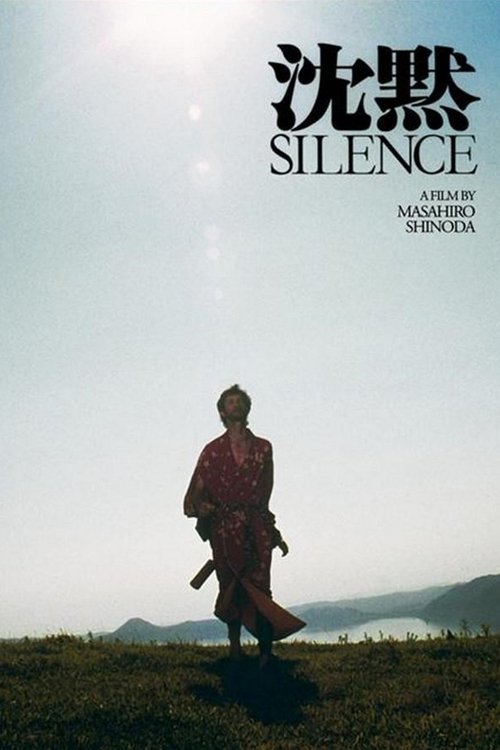
Silence
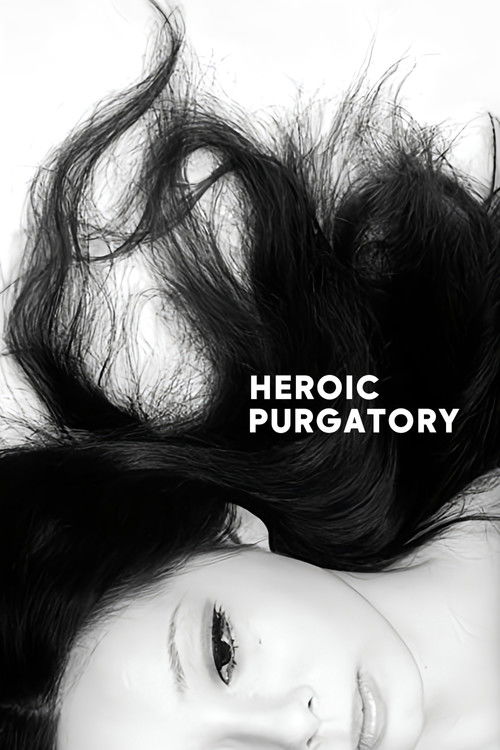
Heroic Purgatory
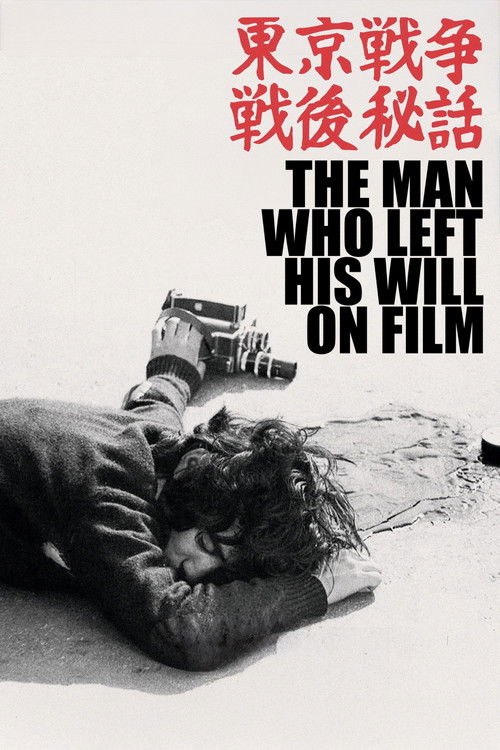
The Man Who Left His Will on Film
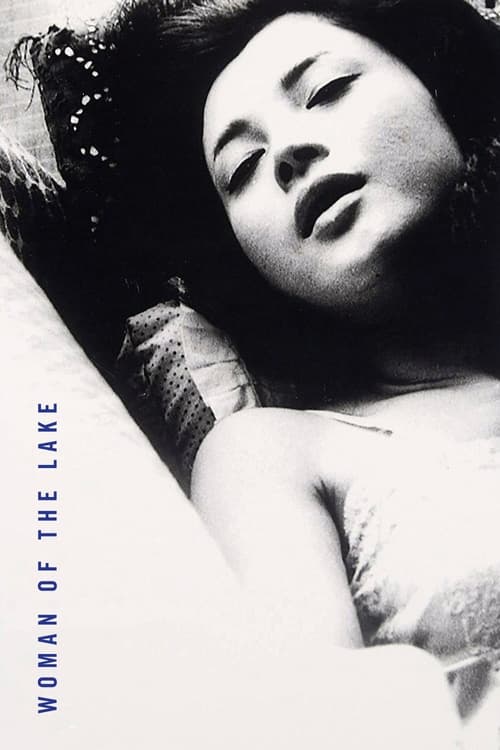
Woman of the Lake
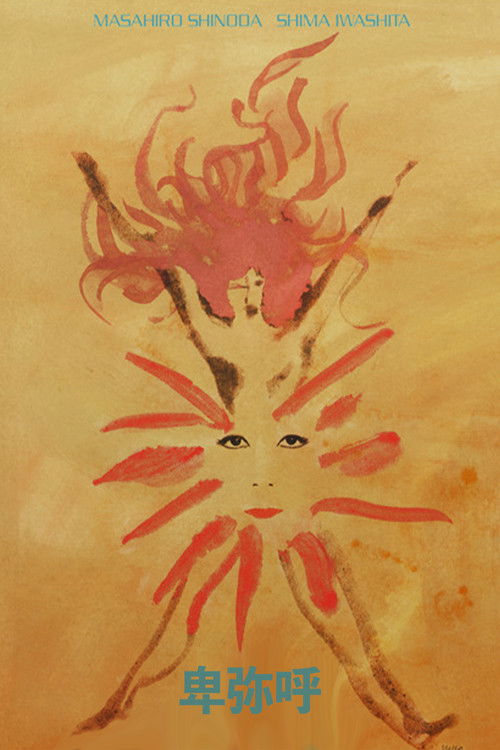
Himiko
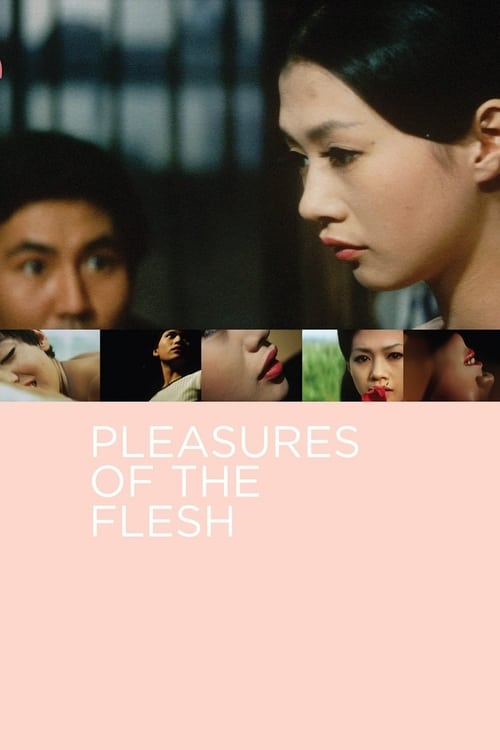
Pleasures of the Flesh

The Sun's Burial
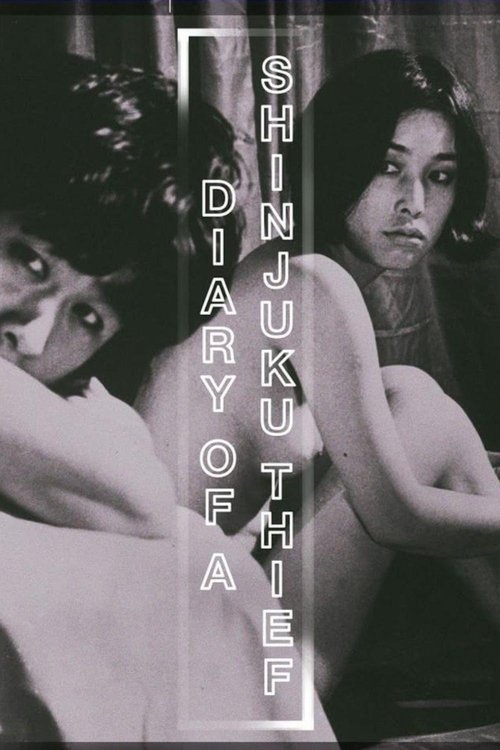
Diary of a Shinjuku Thief
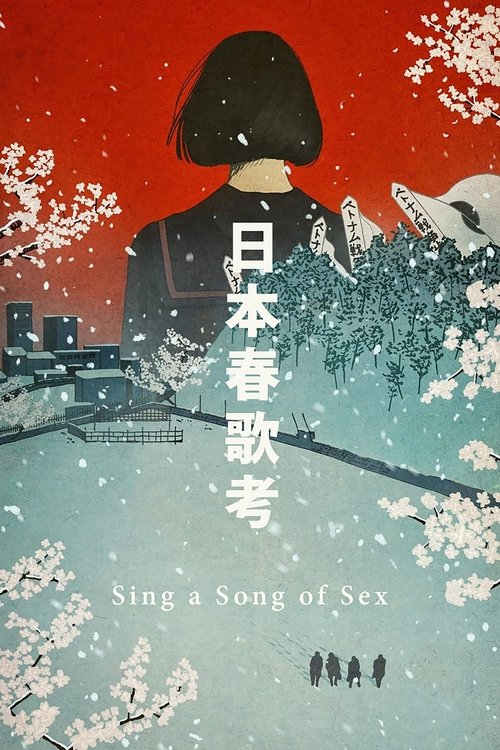
Sing a Song of Sex
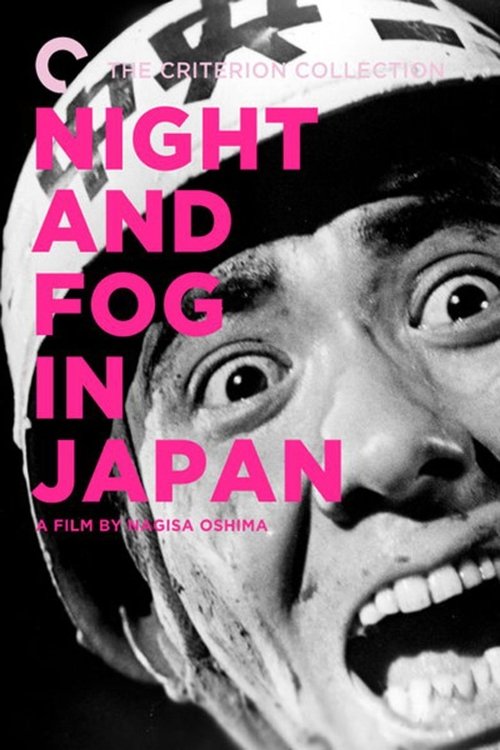
Night and Fog in Japan

Akitsu Hot Springs
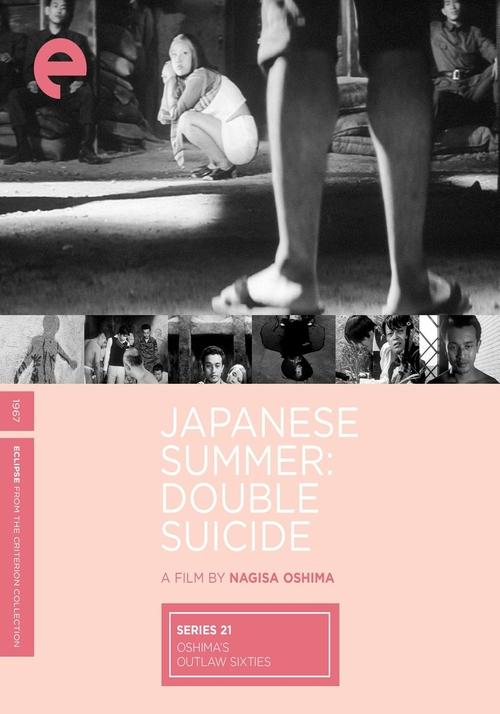
Japanese Summer: Double Suicide
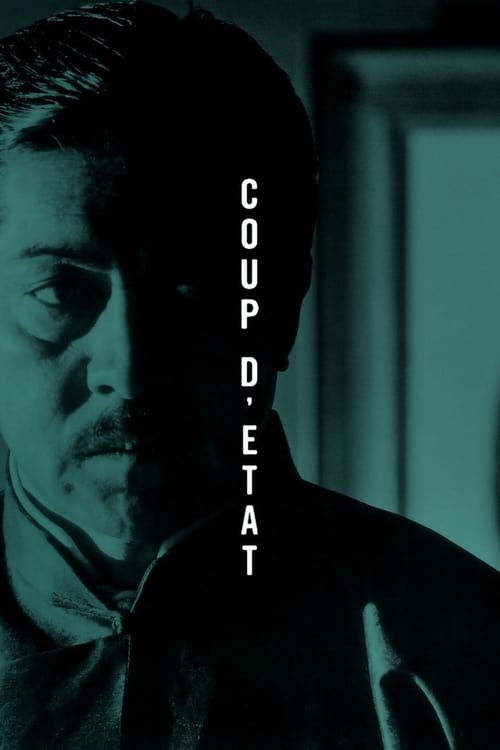
Coup d'Etat
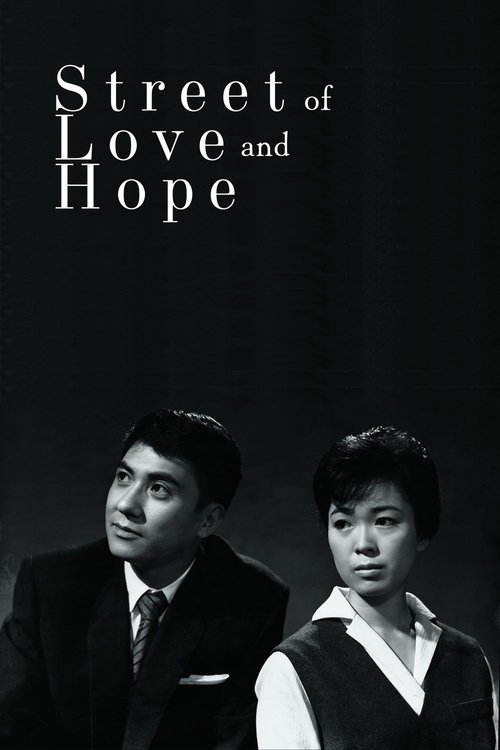
Street of Love and Hope
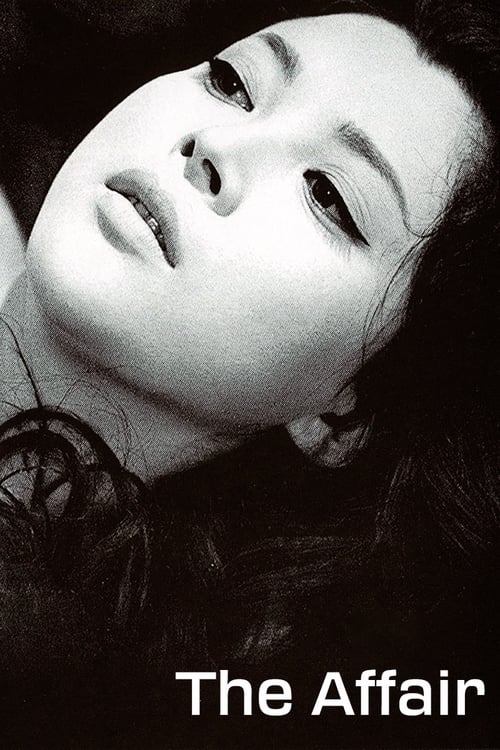
The Affair
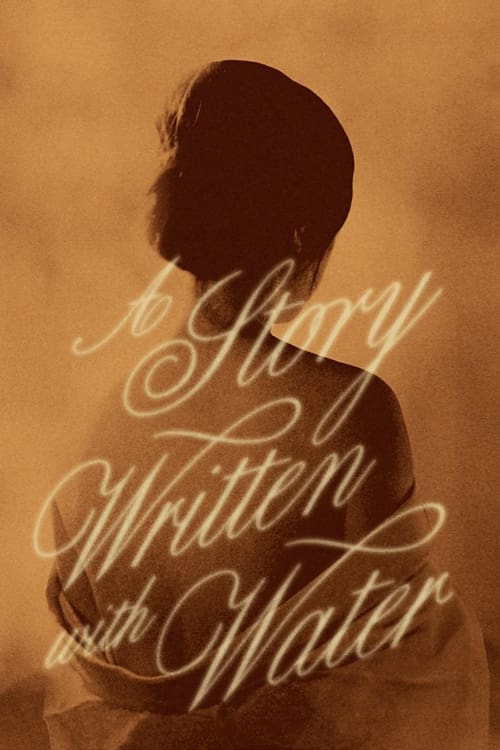
A Story Written with Water
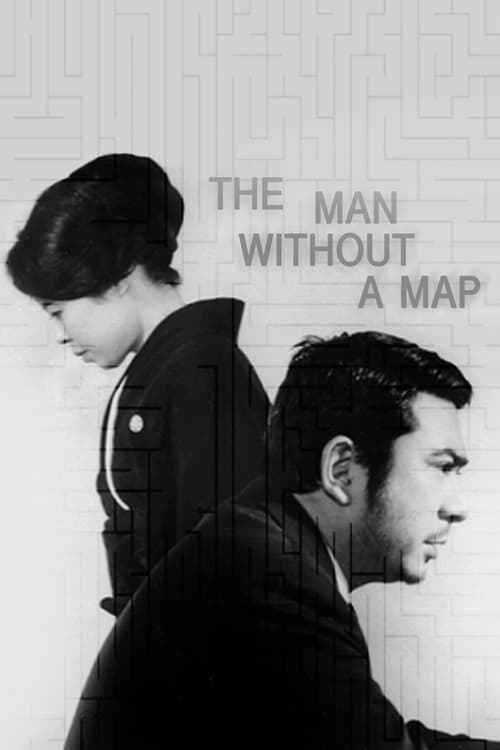
The Man Without a Map
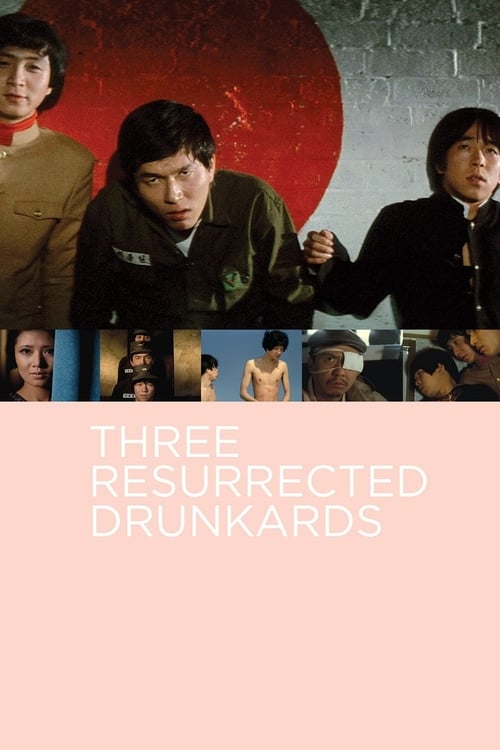
Three Resurrected Drunkards
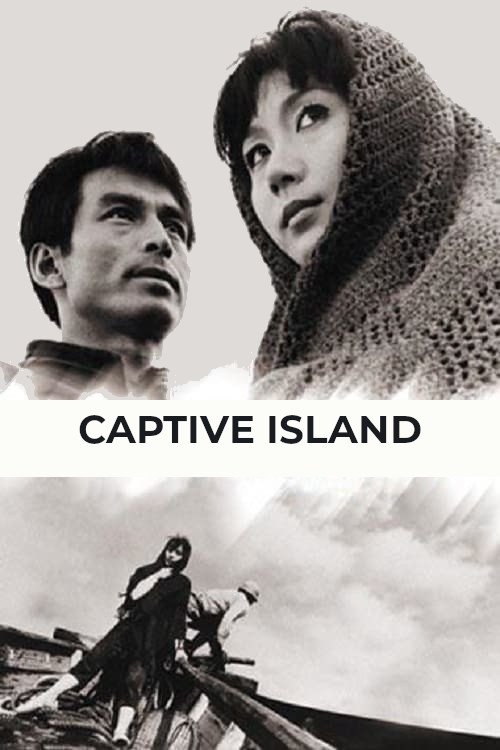
Captive's Island
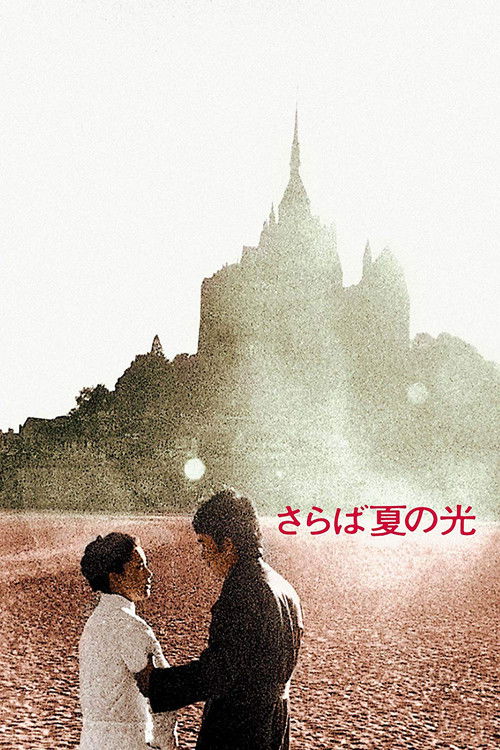
Farewell to the Summer Light
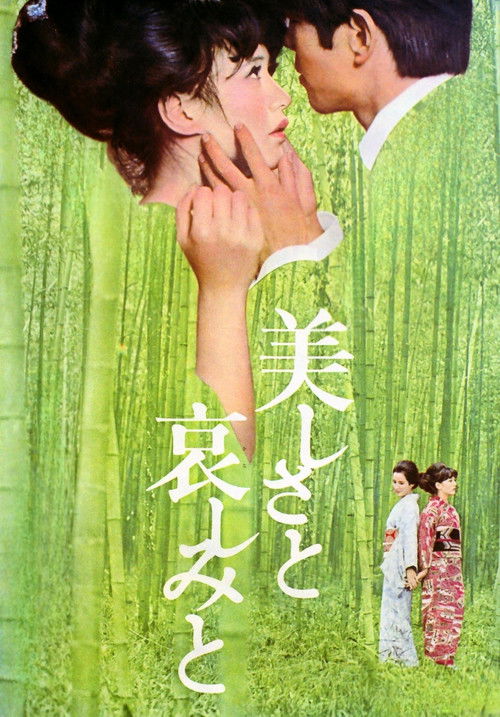
With Beauty and Sorrow
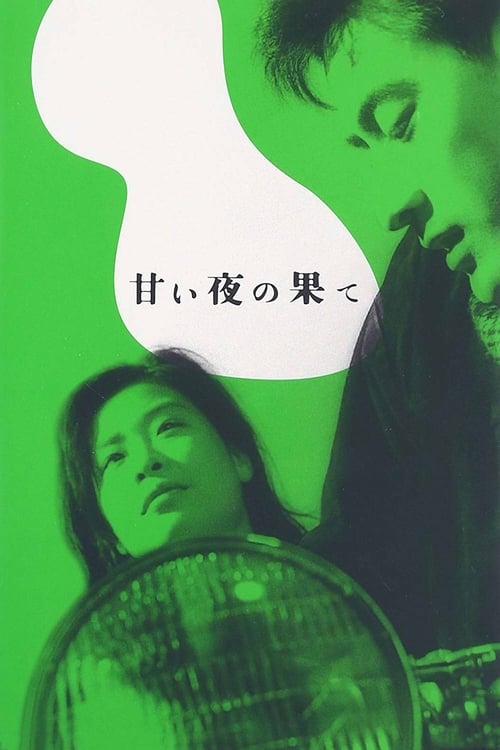
Bitter End of a Sweet Night

Good-for-Nothing
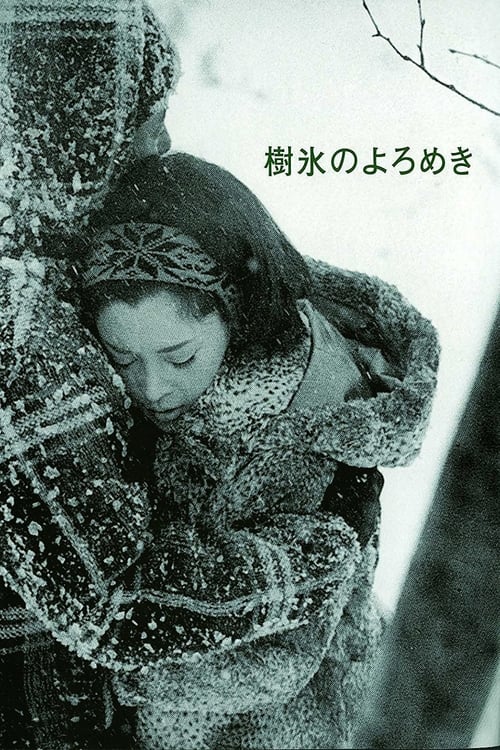
Affair in the Snow
Street of Love and HopeThe Naked IslandCruel Story of YouthThe Sun's BurialNight and Fog in JapanGood-for-NothingPigs and BattleshipsBitter End of a Sweet NightPitfallAkitsu Hot SpringsThe Insect WomanWoman in the DunesOnibabaPale FlowerIntentions of MurderAssassinationSamurai SpyPleasures of the FleshA Story Written with WaterWith Beauty and SorrowThe Face of AnotherTokyo DrifterThe PornographersViolence at NoonWoman of the LakeCaptive's IslandSing a Song of SexJapanese Summer: Double SuicideThe AffairKuronekoDeath by HangingProfound Desires of the GodsThe Man Without a MapThree Resurrected DrunkardsFarewell to the Summer LightAffair in the SnowFuneral Parade of RosesDouble SuicideBoyEros + MassacreDiary of a Shinjuku ThiefHeroic PurgatoryThe Man Who Left His Will on FilmDemonsThe CeremonySilenceCoup d'EtatHimikoIn the Realm of the SensesVengeance Is Mine