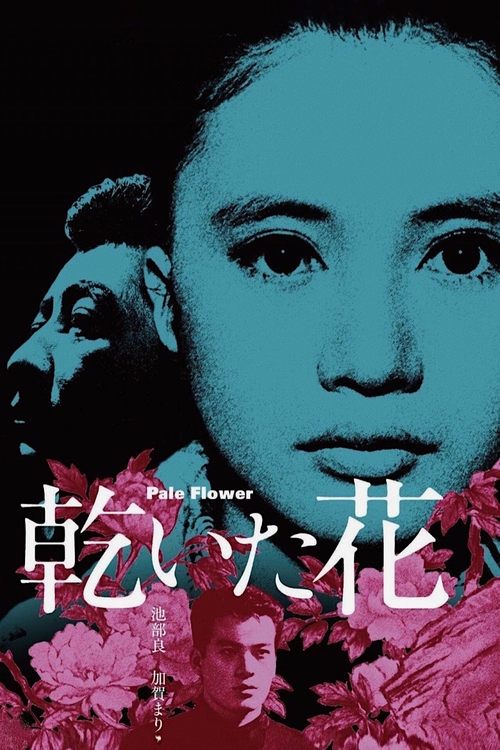
Pale Flower
dir. Masahiro Shinoda · 1964
Life often involves navigating the tension between personal desires and the expectations of society, leading to a struggle for authenticity amidst routine and obligation.
Maraki, a middle-aged yakuza, returns to Tokyo after three years in prison, grappling with his past and the changes in his world. As he navigates the complexities of love, loyalty, and the underbelly of organized crime, the film immerses you in a haunting exploration of identity and moral ambiguity.
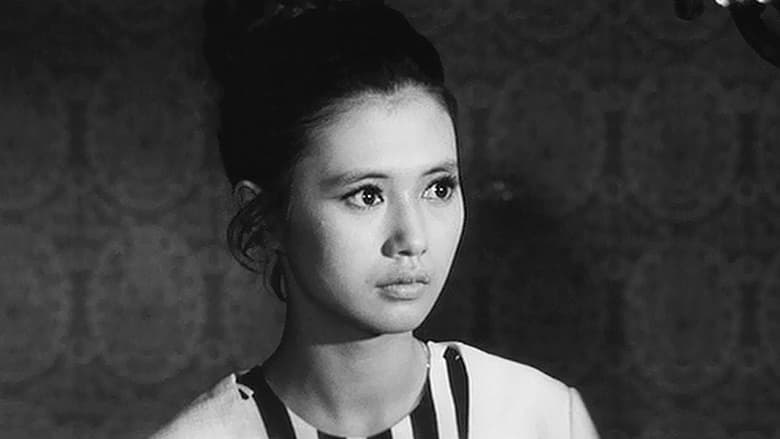
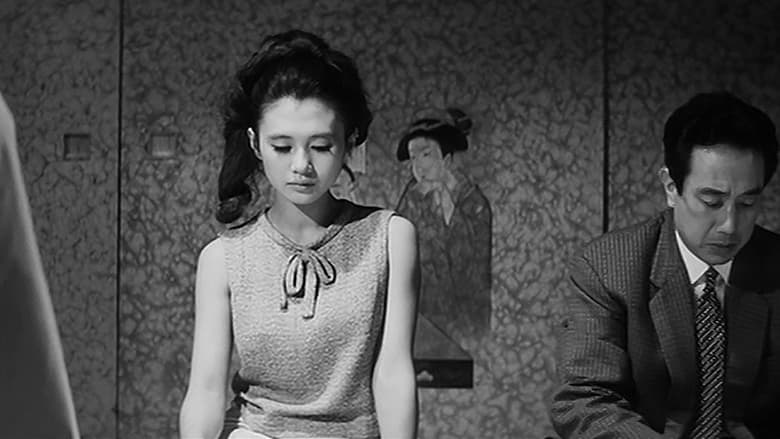
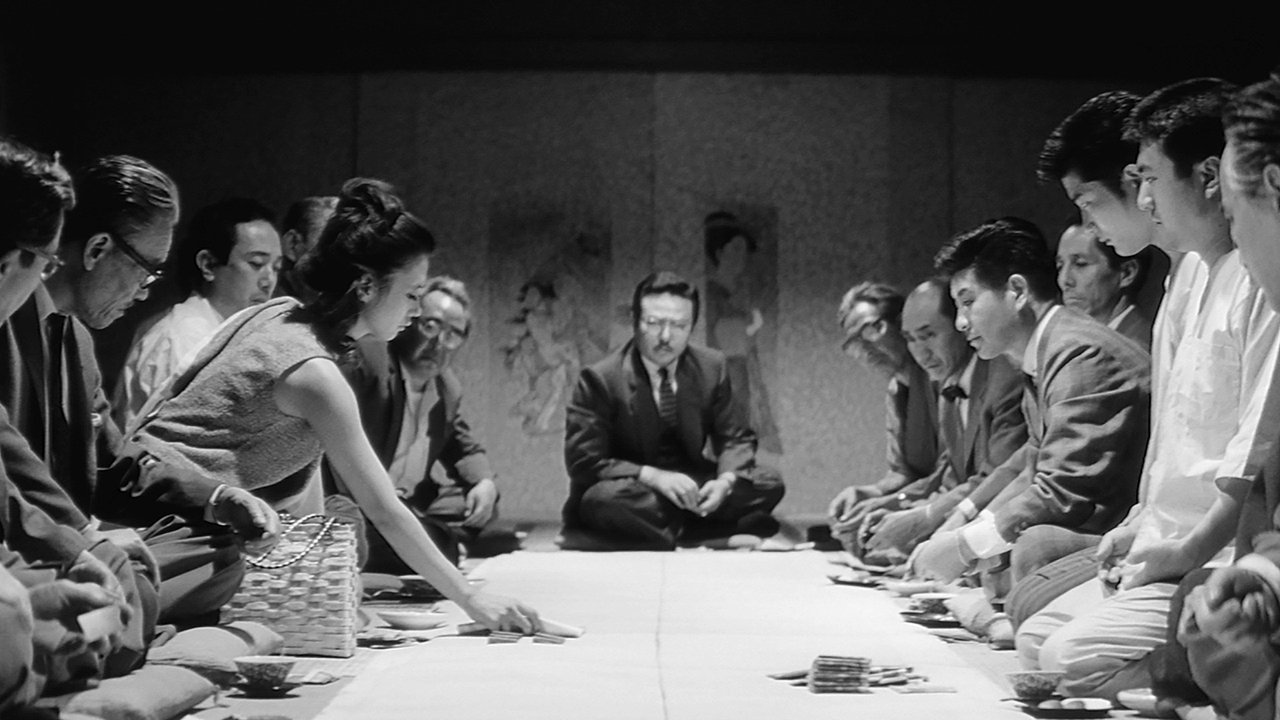
Just released from prison after serving three years for murdering a member of a rival gang, Maraki, a middle-aged yakuza, returns to his old haunts in Tokyo largely out of loyalties despite not much liking that life or himself in the process. Those old routines include assuming his place within the Funada gang, reconnecting with Shinko, his twenty-three year old girlfriend, who wants a commitment from him (something he probably isn't willing to give), she threatening to accept another marriage proposal otherwise despite her love for him, and gambling at his usual illegal card den despite he not often winning. Although at first glance he thinks nothing has changed in three years, there are some major changes, especially that the Funada gang has merged with that rival gang partly to maintain the peace. One other change is that an innocent looking, young, upscale woman, Saeko, she the only female, has started gambling at that same card den, that innocent look beyond the fact that she likes to play big. He becomes her mentor and protector of sorts in he introducing her to an illegal card den with higher stakes, which is what she is seeking. In spending more and more time with her and in a chance encounter, Maraki not only begins to understand Saeko in she not being the total innocent her may have first assumed, especially in her curiosity with Yoh, the seeming drug addict cowering in the corner of the card den, but evaluates his ritualized life in the process.
Talking points
- the nature of loyalty in crime
- the impact of urban isolation
- gender dynamics in relationships
- the morality of mentorship in a corrupt environment