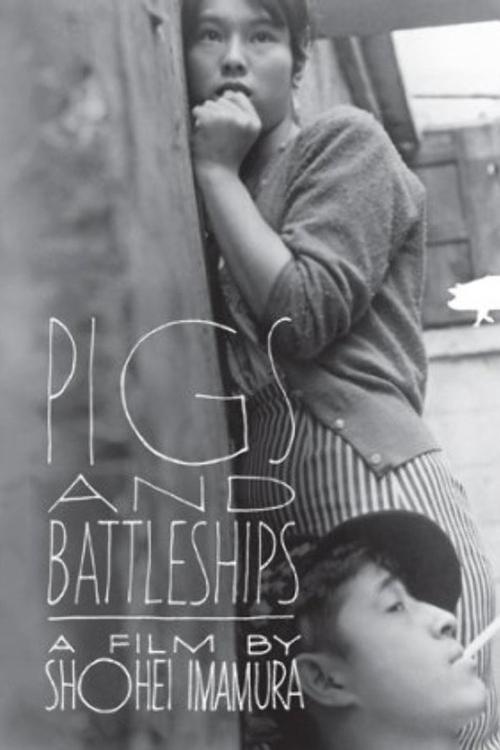
Pigs and Battleships
dir. Shōhei Imamura · 1961
Life often forces individuals to choose between personal sacrifice for a greater cause and the pursuit of their own happiness, revealing the complexities of loyalty and ambition.
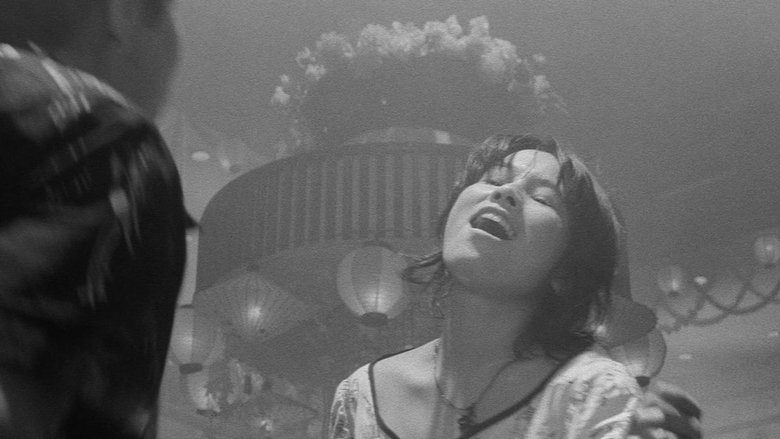
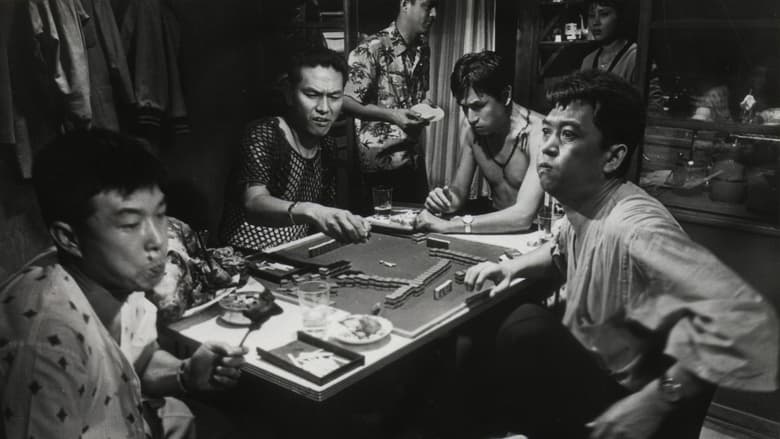
"Pigs and Battleships" is a darkly comedic exploration of survival and moral ambiguity within the yakuza underworld, set against the backdrop of post-war Japan's cultural dislocation. With its gritty realism and poignant character studies, this film invites viewers to reflect on the absurdities of life and the sacrifices made in the pursuit of dreams.
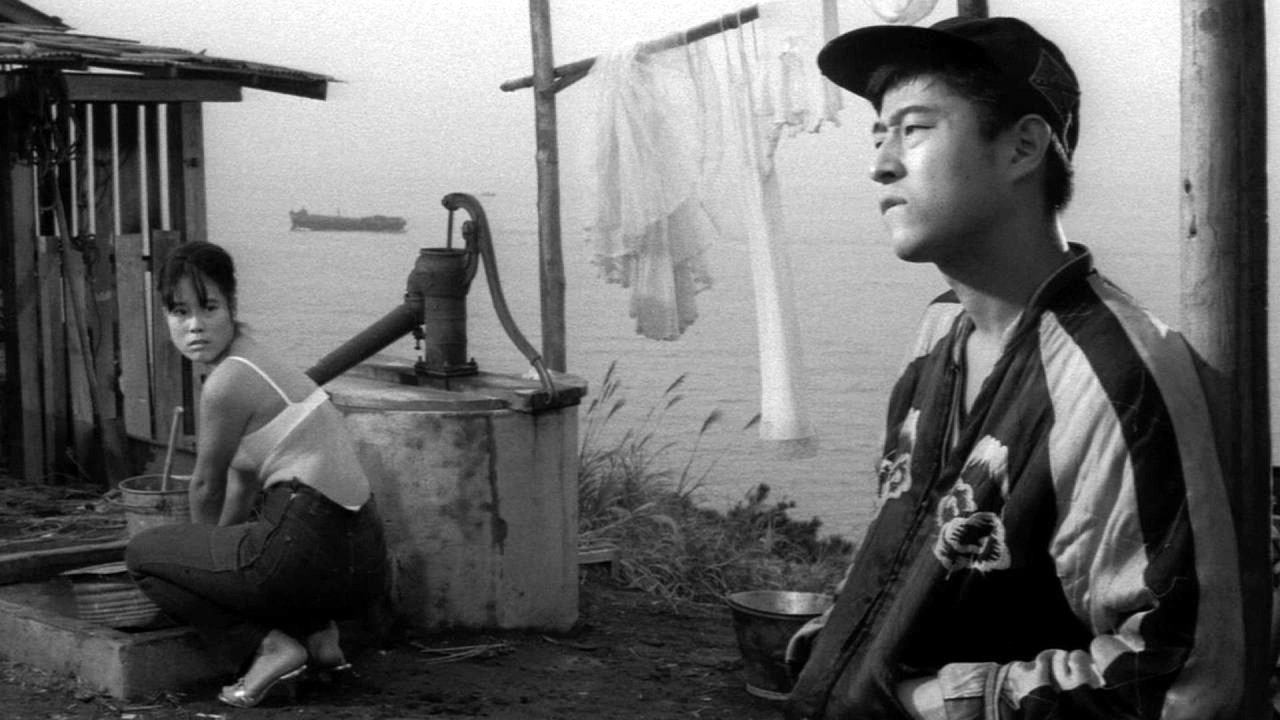
In Yukosuka, many are able to benefit financially, legally and illegally, by the presence of the American naval base established after the war. Kinta, who is low level thug within the Himori yakuza, takes care of the yakuza's pig farm but provides some muscle in shaking down among others shopkeepers who cater and this benefit from the lucrative American military trade. Kinta is often asked to sacrifice himself for the yakuza, the promise being that the yakuza will ultimately recognize the sacrifice with bonuses and promotion within the organization. Kinta's girlfriend, Haruko, a barmaid, doesn't like his life and would prefer that they escape Yukosuka to Kawasaki where they could get jobs in her uncle's factory, something that Kinta continually resists in not wanting to be a "wage slave". Haruko is also continually pressured by her mother to prostitute herself, Mr. Gordon who is willing to pay top dollar to be his kept mistress. Kinta and Haruko's fates will be partly affected by the power struggle within the yakuza, Kinta's cohorts who may be willing to give him up for their own benefit, his boss, Tetsuji, who believes he is dying, and Himori who will do whatever necessary to retain control.