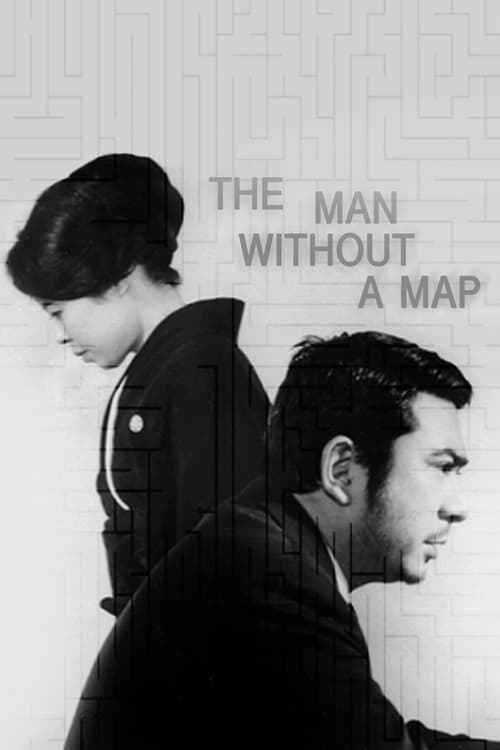
The Man Without a Map
dir. Hiroshi Teshigahara · 1968
The search for meaning in life can often lead to frustration and confusion when faced with uncertainty and ambiguity.
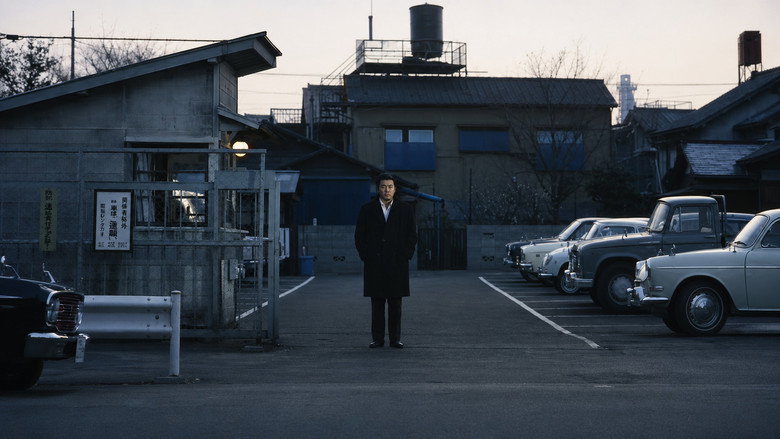
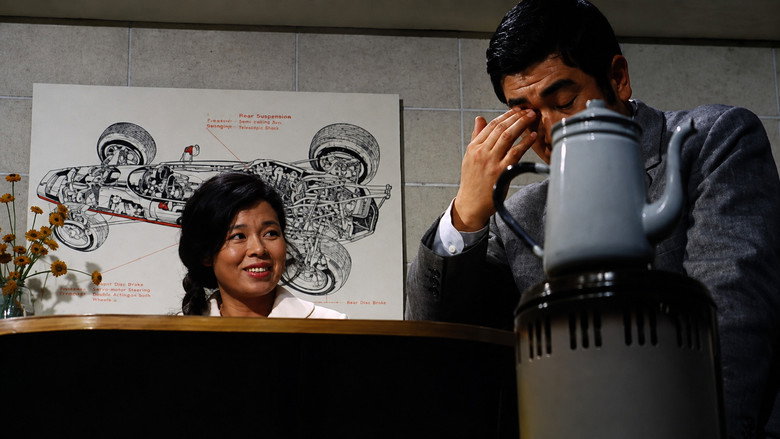
A private detective is drawn into a web of contradictions as he searches for a missing man, only to find himself ensnared in a labyrinth of frustration and despair. The film immerses viewers in a world where every clue leads to more questions, echoing the detective's own psychological unraveling. Watching it feels like wandering through a fog-laden city, where the search for truth becomes a haunting reflection of one's own isolation.
A private detective is hired to find a missing man by his wife. Contradictory evidence and the lack of clues soon render the case as virtually unsolvable, as the detective grows more and more frustrated.