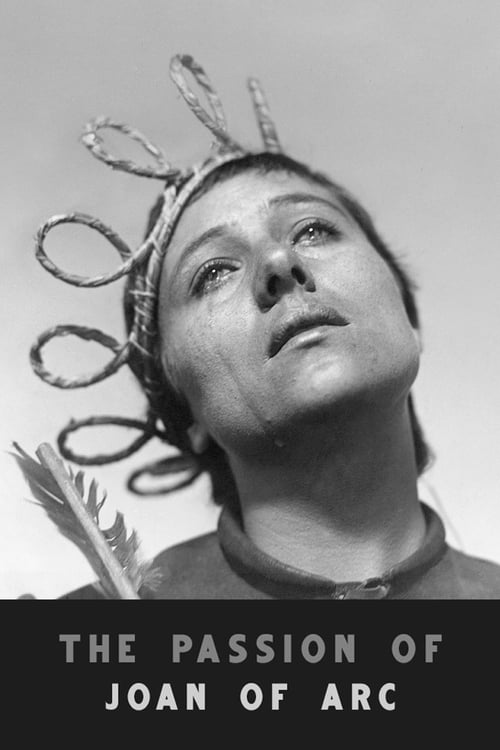
The Passion of Joan of Arc
dir. Carl Theodor Dreyer · 1928
True conviction can lead to profound suffering, but it also reveals the strength of the human spirit in the face of persecution.
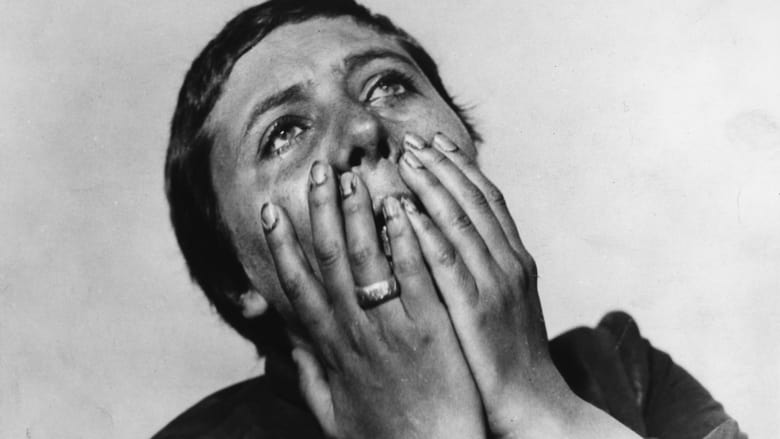
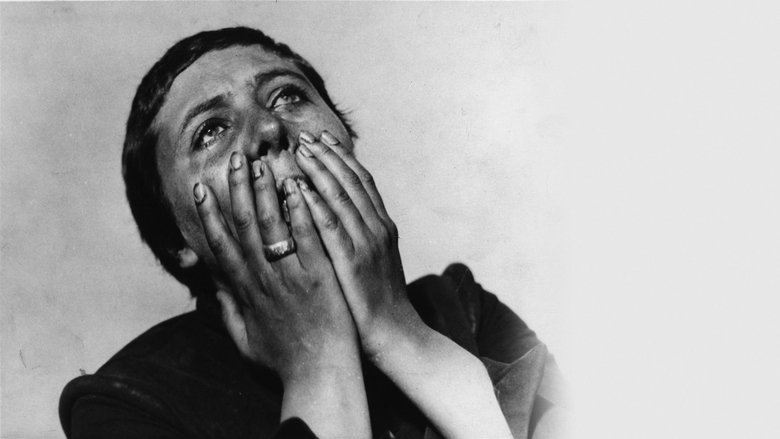
Carl Theodor Dreyer’s "The Passion of Joan of Arc" transcends the silent era with its haunting portrayal of faith and martyrdom, utilizing striking visuals and a raw emotional core that interrogates the intersection of truth and power. This film remains a powerful exploration of human resilience in the face of institutional oppression.
A classic of the silent age, this film tells the story of the doomed but ultimately canonized 15th-century teenage warrior. On trial for claiming she'd spoken to God, Jeanne d'Arc is subjected to inhumane treatment and scare tactics at the hands of church court officials. Initially bullied into changing her story, Jeanne eventually opts for what she sees as the truth. Her punishment, a famously brutal execution, earns her perpetual martyrdom.
Full synopsisspoilers
Giovanna is taken to the Inquisition court. . After the accusation of blasphemy continues to pray in ecstasy . A friar thinks that Giovanna is a saint, but is taken away by the soldiers. Giovanna sees a cross in the shadow and feels comforted.
She is not considered a daughter of God but a daughter of the devil and is sentenced to torture. Giovanna D 'Arco says that even if she dies she will not deny anything. The eyes are twisted by terror in front of the torture wheel and faint. Giovanna is taken to a bed where they are bleeding.
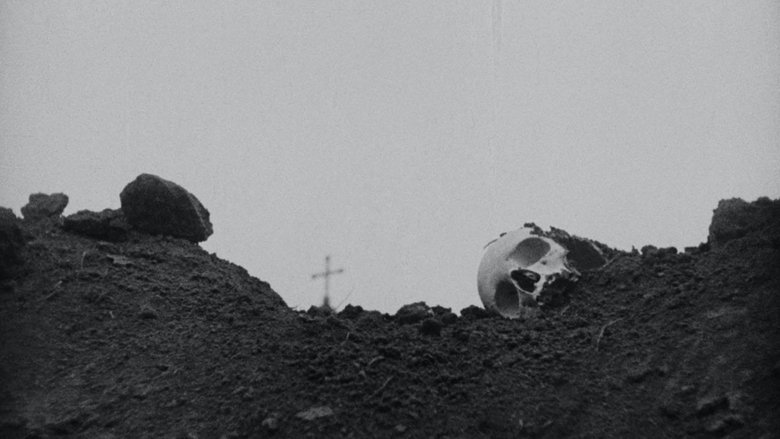
Giovanna feels that she is about to die and asks to be buried in a consecrated area. Giovanna burns at the stake while devoted ladies cry.