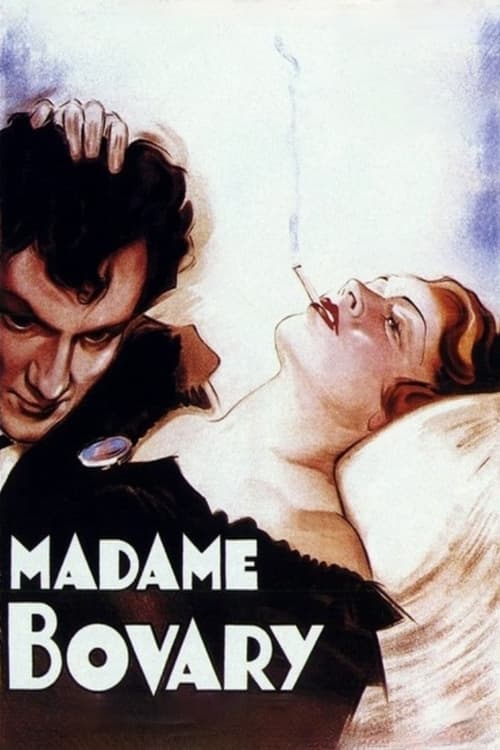
Madame Bovary
dir. Jean Renoir · 1934
The pursuit of happiness can lead to disillusionment and tragedy when one's desires exceed the limitations of reality.
Emma Bovary, trapped in a stifling marriage to the dull Charles, seeks solace in fleeting affairs that promise the passion her life lacks. As her romantic escapades spiral into tragedy, the film immerses viewers in a world of longing and despair. Watching it feels like wandering through a dreamscape of muted colors and heavy silences, where every choice carries the weight of societal judgment and personal consequence.
Soon after the death of his first wife (whose dowry was inadequate), Charles Bovary, a country doctor in Normandy, marries Emma Rouault, who is well-endowed in every sense. In her new home, Emma finds conflict with her mother-in-law, a husband uninterested in the social whirl, and general discontentment; thereby proving an easy conquest for philanderer Rodolphe. Other lovers follow. Does tragedy await?
Talking points
- the impact of societal expectations on personal happiness
- the nature of love and infidelity
- the consequences of pursuing desire
- the role of women in early 20th-century literature