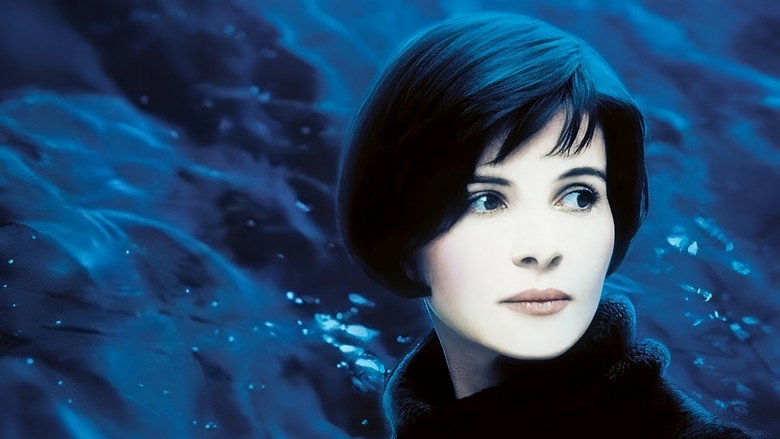
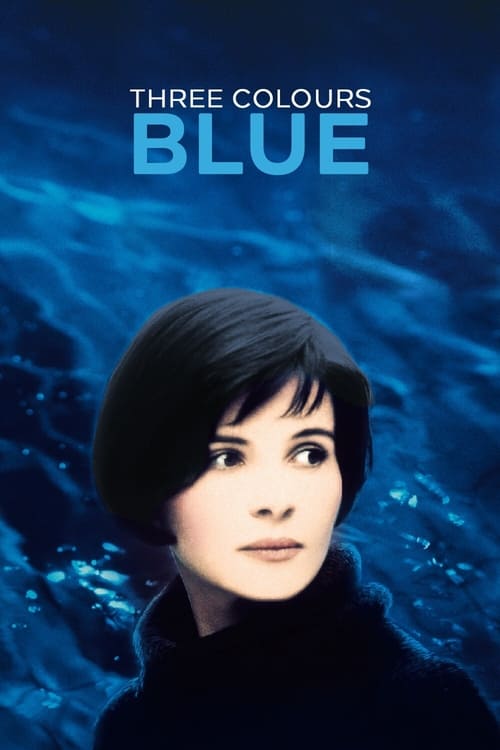
Three Colors: Blue
dir. Krzysztof Kieślowski · 1993
True freedom is found not in isolation, but in the connections we have with others, even in the face of loss.
"Three Colors: Blue" intricately weaves a tapestry of grief and self-discovery, where the haunting melodies of a lost life resonate deeply with those searching for meaning in the silence. Kieślowski's masterful use of color and emotion invites viewers to reflect on the fragile bonds that connect us, making it an unforgettable exploration of identity and human connection.
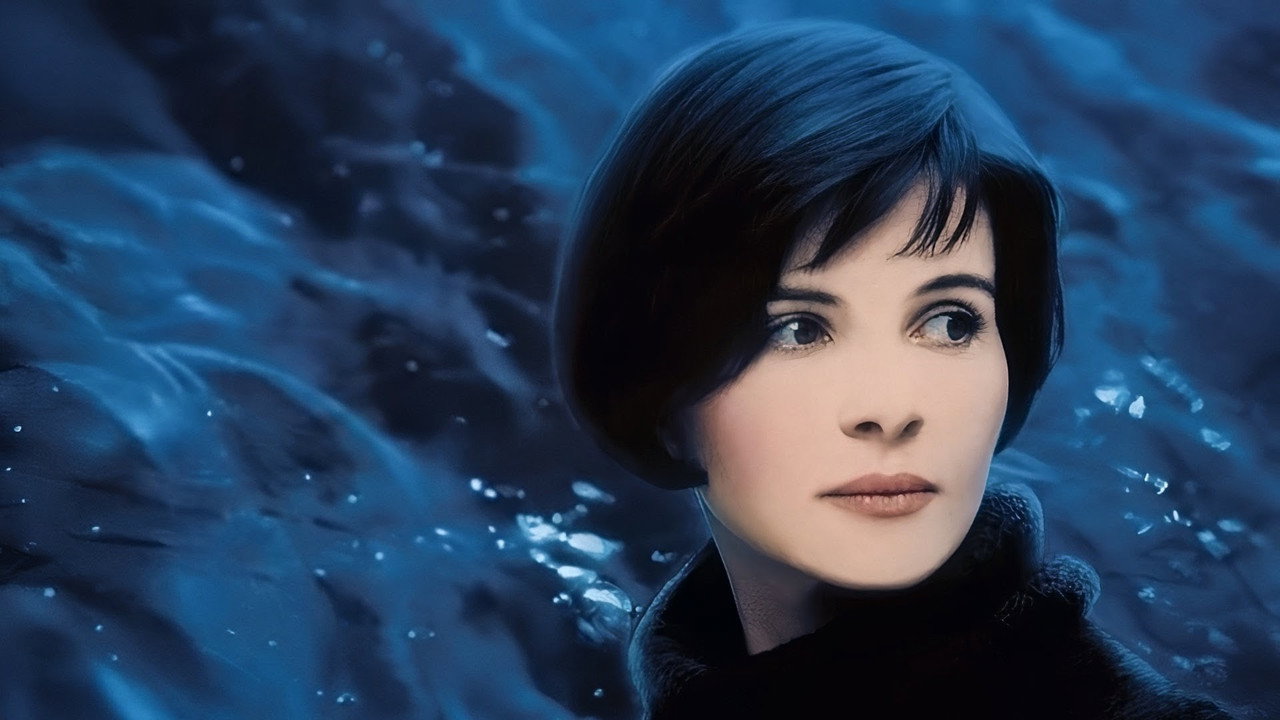
The wife of a famous composer survives a car accident that kills her husband and daughter. Now alone, she shakes off her old identity and explores her newfound freedom but finds that she is unbreakably bound to other humans, including her husband’s mistress, whose existence she never suspected.
Full synopsisspoilers
The first part of Kieslowski's trilogy on France's national motto: Liberty, Equality, and Fraternity. 'Blue' is the story of Julie who loses her husband, an acclaimed composer and her young daughter in a car accident. The film's theme of liberty is manifested in Julie's attempt to start life anew, free of personal commitments, belongings, grief or love. She intends to numb herself by withdrawing from the world and living completely independently, anonymously and in solitude in the Parisian metropolis. Despite her intentions, people from her former and present life intrude with their own needs.
However, the reality created by the people who need and care about her, a surprising discovery and the music around which the film revolves heal Julie and draws her back to the land of the living.
Talking points
- the nature of grief
- the search for self-identity
- human connection versus isolation
- the impact of trauma on personal freedom