blaxploitation
28 titles · 1970–1979 · United States
Junius Griffin, president of the NAACP's Beverly Hills-Hollywood branch, coined "blaxploitation" in 1972 to complain that Hollywood had found a Black audience and was selling it back its own stereotypes. By then it was already the business: MGM was close to bankrupt when Gordon Parks shot Shaft for about half a million dollars in 1971, and the film brought back around thirteen million and told every other studio there was money in this. Melvin Van Peebles had proved a year earlier that none of that money was required. No studio would finance Sweet Sweetback's Baadasssss Song, so he shot it himself in nineteen days on a loan from Bill Cosby; his character kills the two cops sent to make him a scapegoat for a killing he had nothing to do with, and spends the rest of the film staying ahead of the manhunt that follows. The audience Griffin was describing kept paying for exactly that story, and Jack Hill built Coffy on it longer than anyone: a nurse who spends her days on hospital shifts and her nights hunting the dealers who hooked her younger sister, doing to the underworld what Shaft had already shown a studio there was money in filming. You watch someone win in a city built to stop them.

Shaft

Coffy
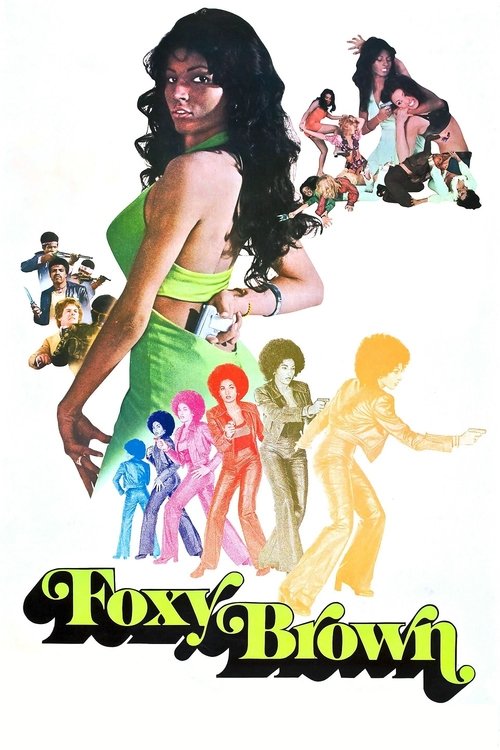
Foxy Brown
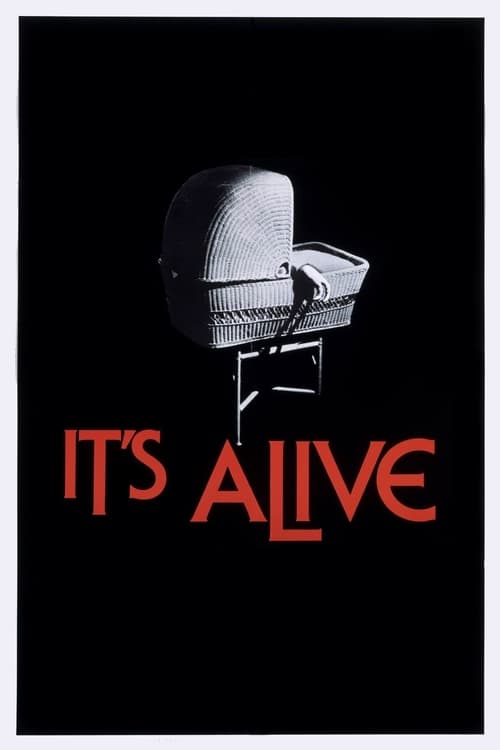
It's Alive
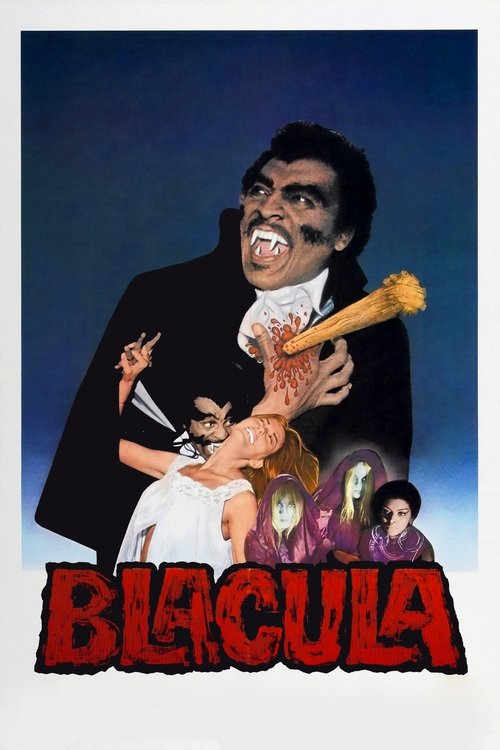
Blacula
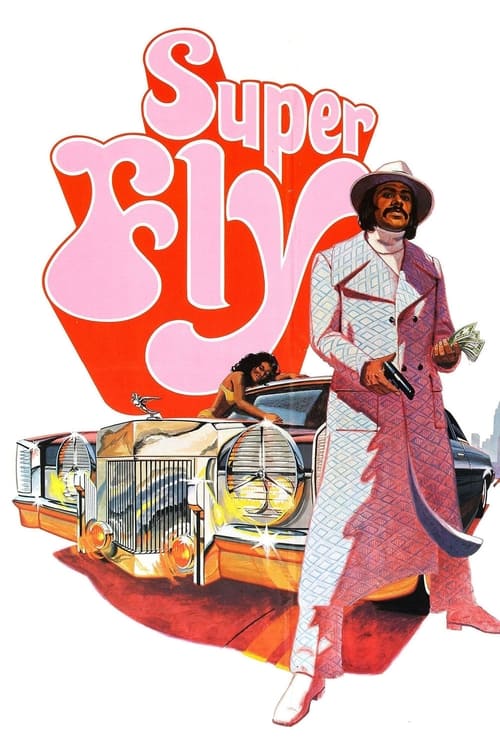
Super Fly
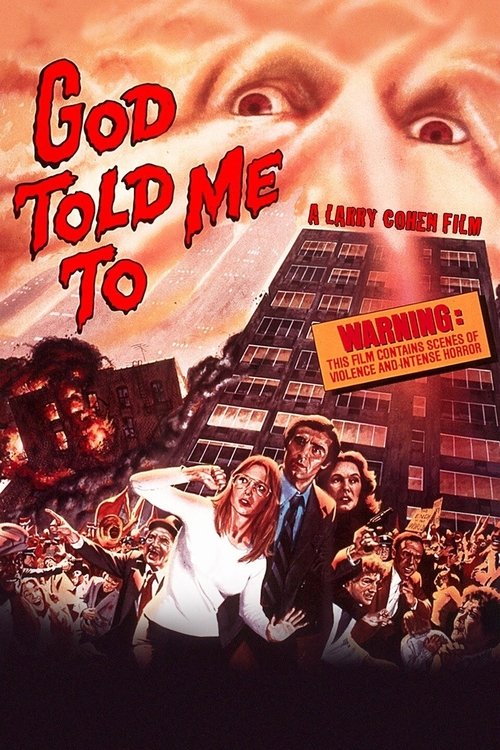
God Told Me To
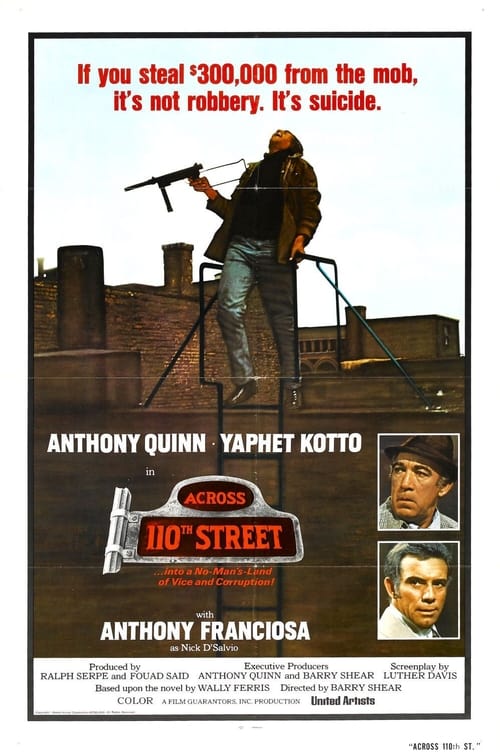
Across 110th Street
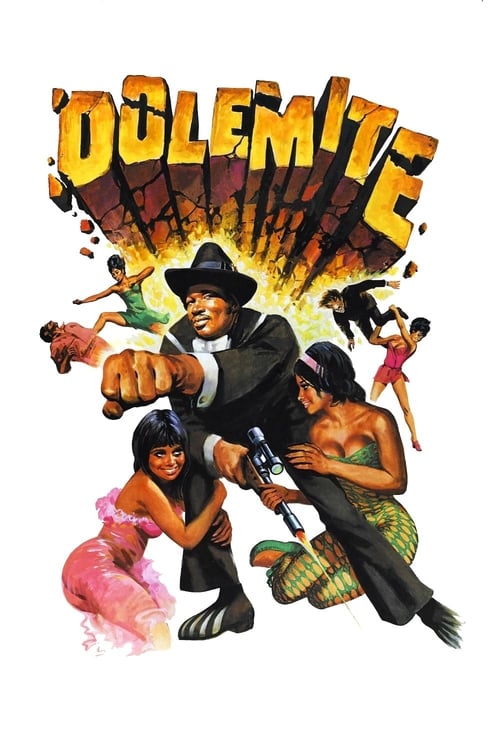
Dolemite

Sweet Sweetback's Baadasssss Song
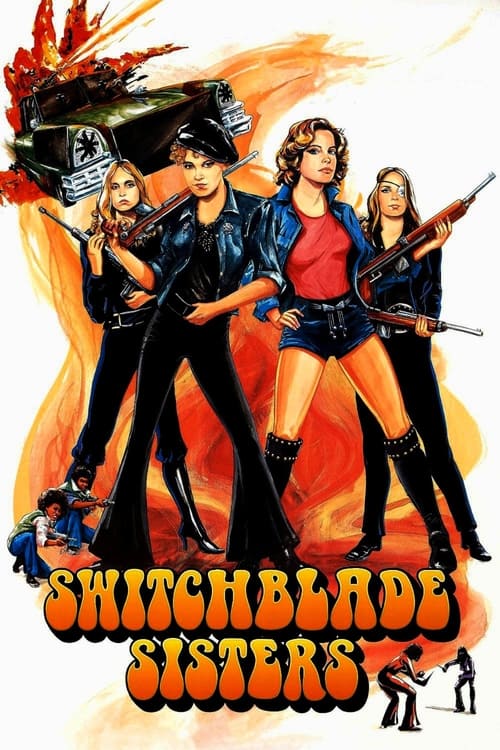
Switchblade Sisters
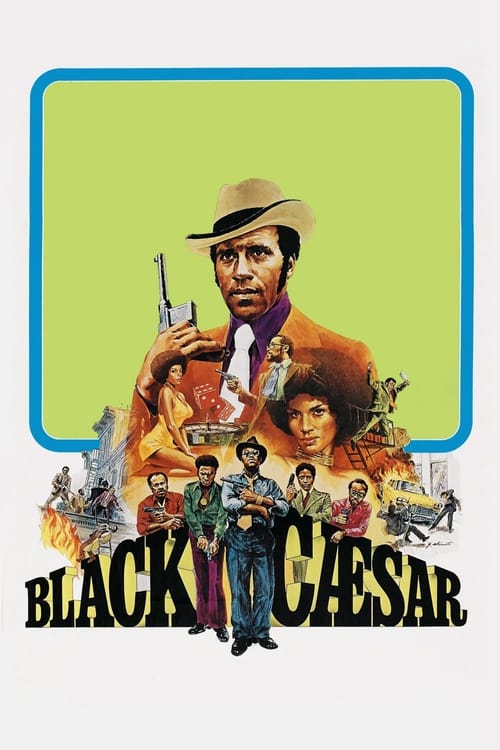
Black Caesar
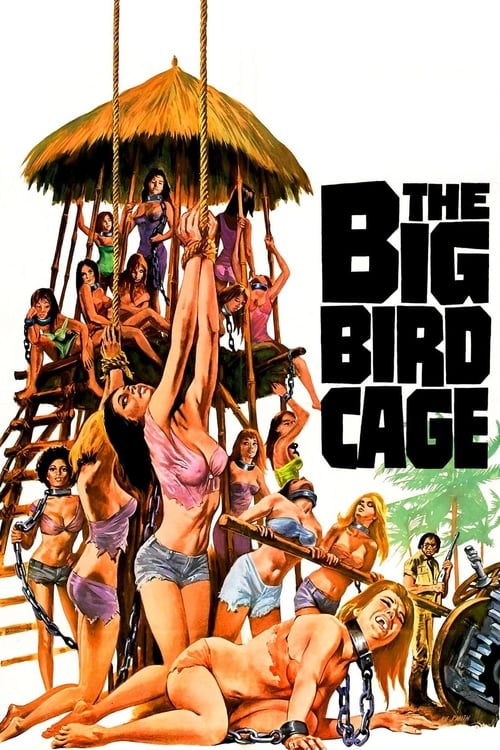
The Big Bird Cage
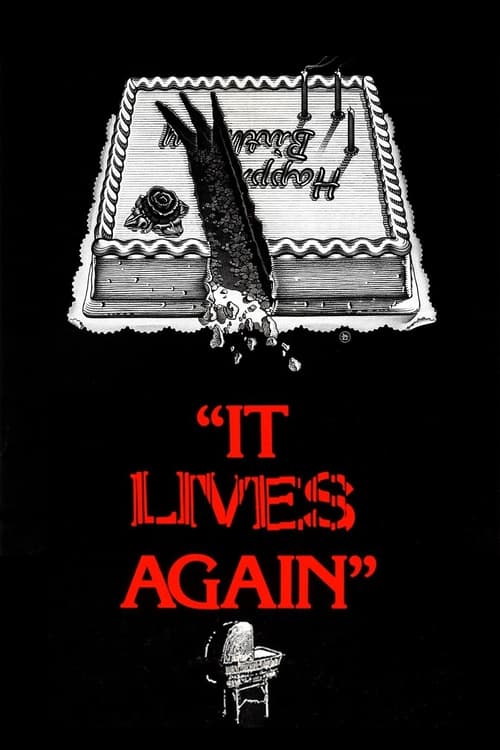
It Lives Again
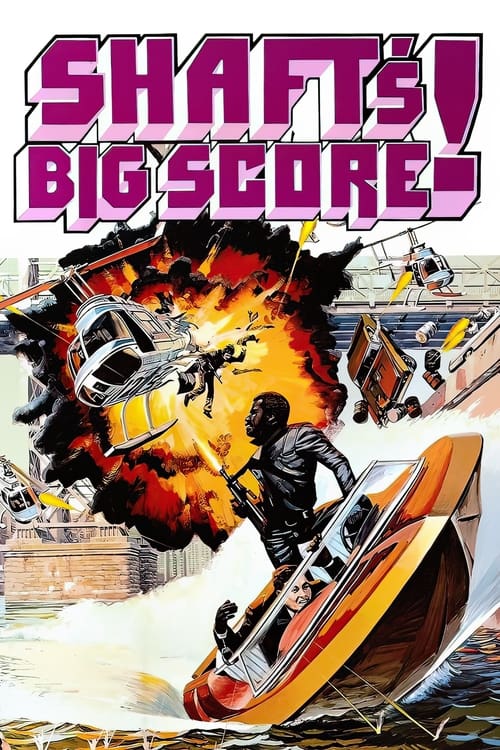
Shaft's Big Score!

The Big Doll House
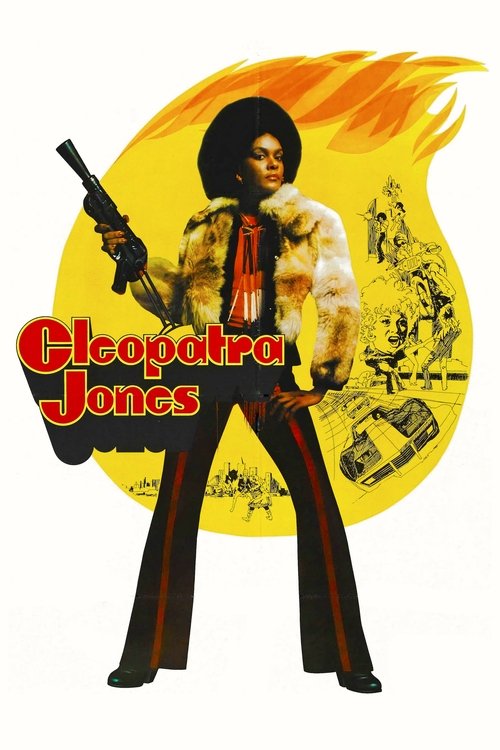
Cleopatra Jones
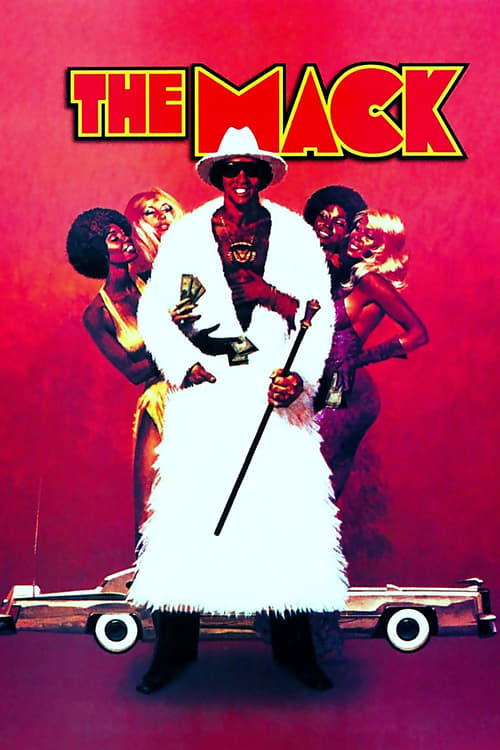
The Mack
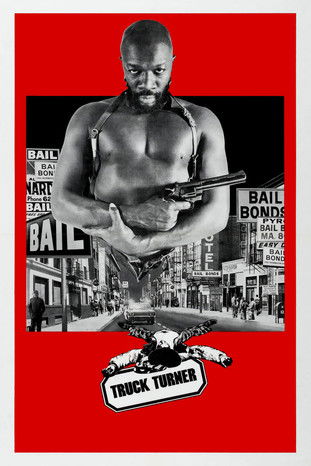
Truck Turner
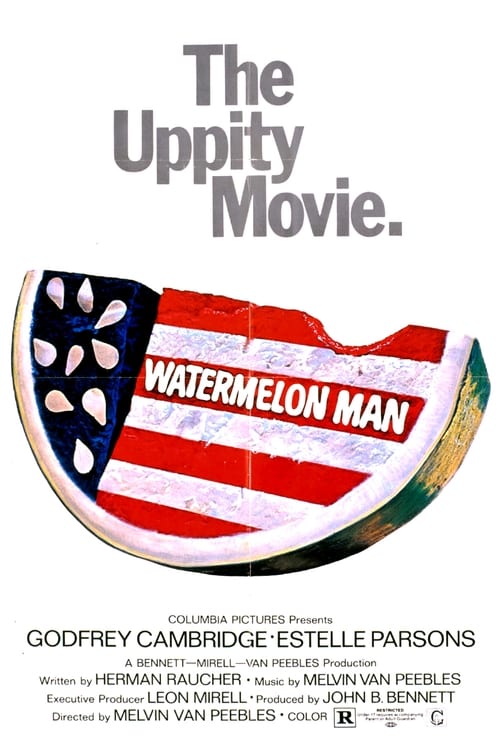
Watermelon Man
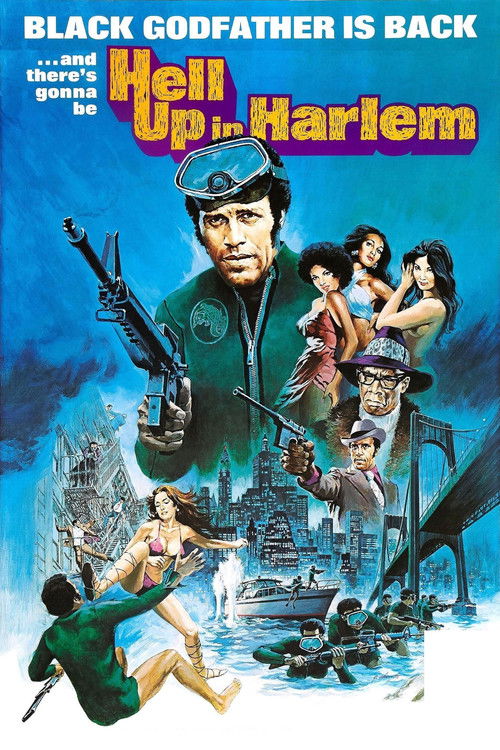
Hell Up In Harlem
Full Moon High
The Swinging Cheerleaders
Bone
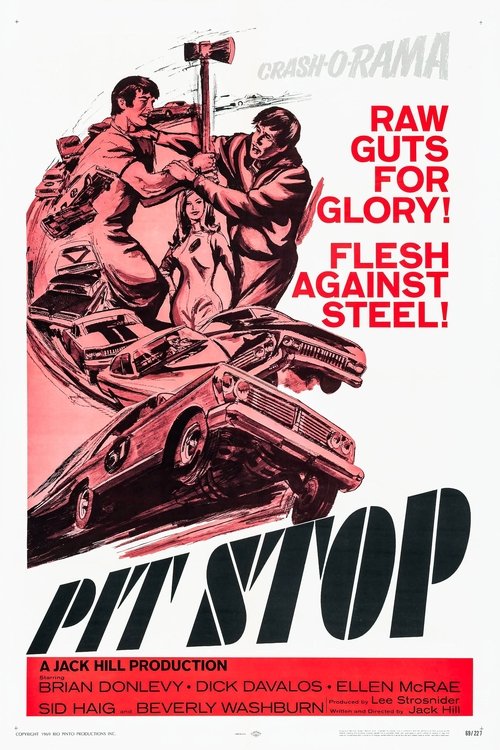
Pit Stop
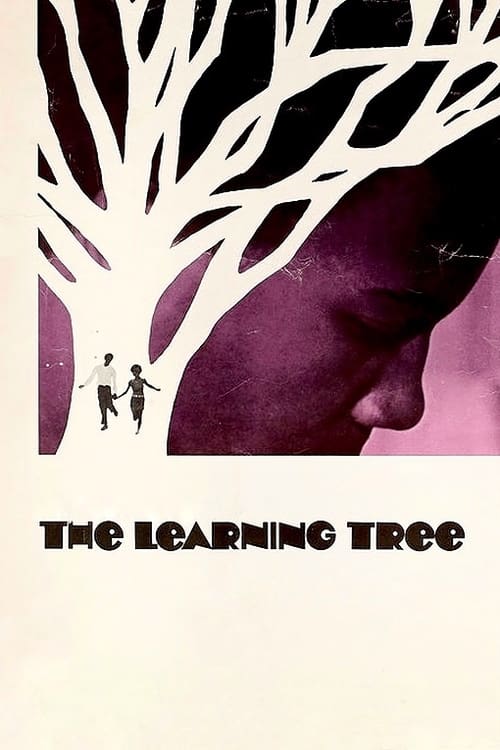
The Learning Tree
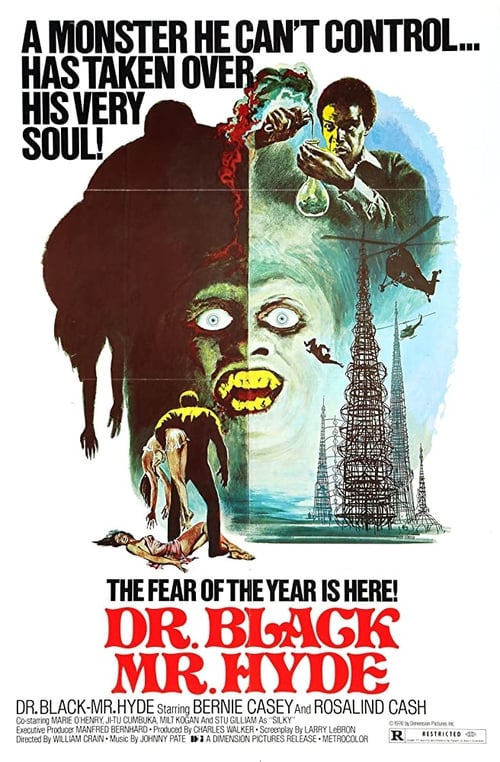
Dr. Black, Mr. Hyde
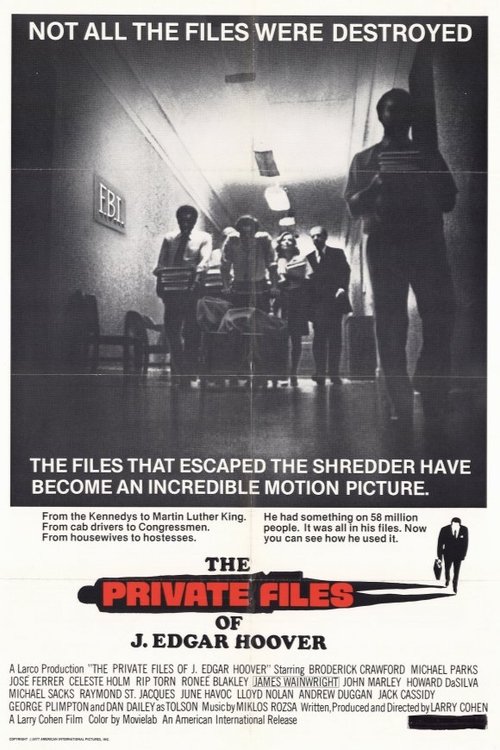
The Private Files of J. Edgar Hoover
Pit StopThe Learning TreeWatermelon ManShaftSweet Sweetback's Baadasssss SongThe Big Doll HouseBlaculaSuper FlyAcross 110th StreetThe Big Bird CageShaft's Big Score!BoneCoffyBlack CaesarCleopatra JonesThe MackHell Up In HarlemFoxy BrownIt's AliveTruck TurnerThe Swinging CheerleadersDolemiteSwitchblade SistersGod Told Me ToThe Private Files of J. Edgar HooverIt Lives AgainDr. Black, Mr. HydeFull Moon High