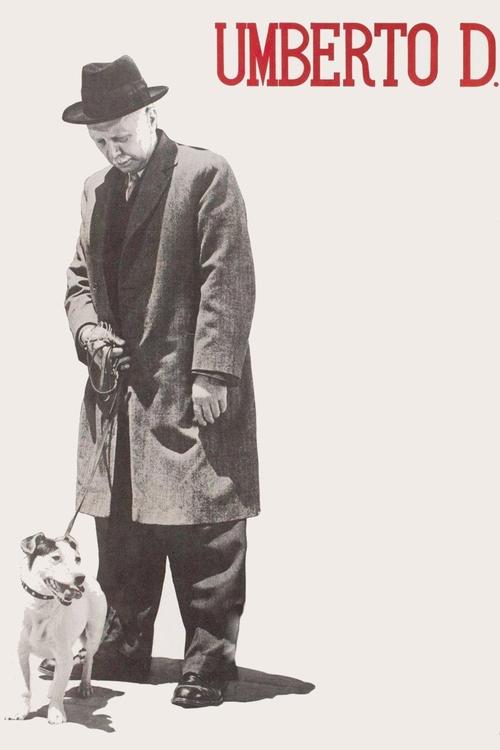
Umberto D.
dir. Vittorio De Sica · 1952
Life can feel overwhelmingly isolating and desperate, leading individuals to confront the depths of their despair and the value of companionship in the face of hardship.
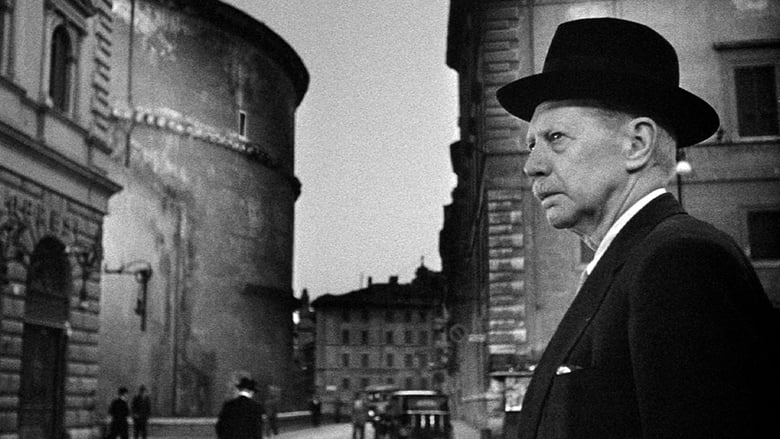
"Umberto D." captures the delicate balance between despair and hope through the heartwarming yet tragic story of an elderly man and his dog, revealing the profound human connections that can arise even in the direst of circumstances. This poignant neorealist masterpiece invites viewers to reflect on the complexities of dignity and isolation within a society that often overlooks its most vulnerable members.
When elderly pensioner Umberto Domenico Ferrari returns to his boarding house from a protest calling for a hike in old-age pensions, his landlady demands her 15,000-lire rent by the end of the month or he and his small dog will be turned out onto the street. Unable to get the money in time, Umberto fakes illness to get sent to a hospital, giving his beloved dog to the landlady's pregnant and abandoned maid for temporary safekeeping.
Full synopsisspoilers
Umberto Ferrari, aged government-pensioner, attends a street demonstration held by his fellow pensioners. The police dispense the crowd and Umberto returns to his cheap furnished room which he shares with his dog Flick. Umberto's lone friend is Maria, servant of the boarding house. She is a simple girl who is pregnant by one of two soldiers and neither will admit to being the father.
When Umberto's landlady Antonia demands the rent owed her and threatens eviction if she is not paid, Umberto tries desperately to raise the money by selling his books and watch. He is too proud to beg in the streets and can not get a loan from any of his acquaintances. He contracts a sore throat, is admitted to a hospital and this puts a delay on his financial difficulty. Discharged, he finds that his dog is gone and, following a frantic search, locates him in the city dog pound.
His room has been taken over by the landlady and the now-homeless Unberto determines to find a place for his beloved dog, and then kill himself. Unsuccessful, he resolves that his dog must die with him and he stands in the path of a train, with his dog in his arms.
Talking points
- the impact of social systems on individuals
- the role of companionship in loneliness
- the portrayal of poverty in cinema
- ethical dilemmas in caring for the vulnerable