italian neorealism
16 titles · 1943–1960 · Italy
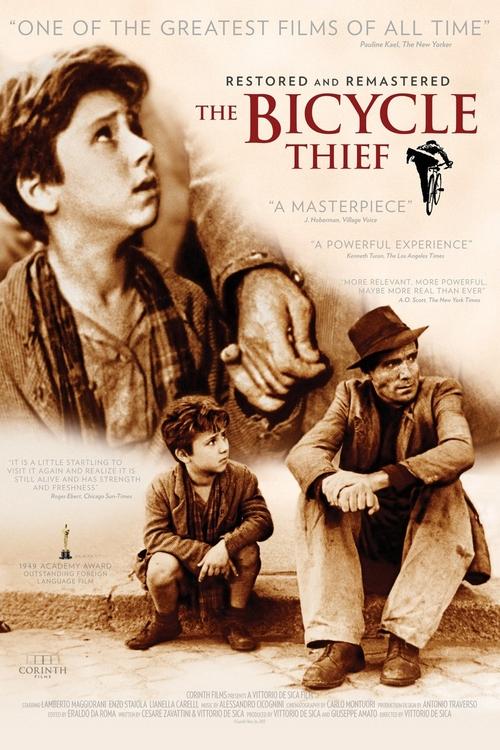
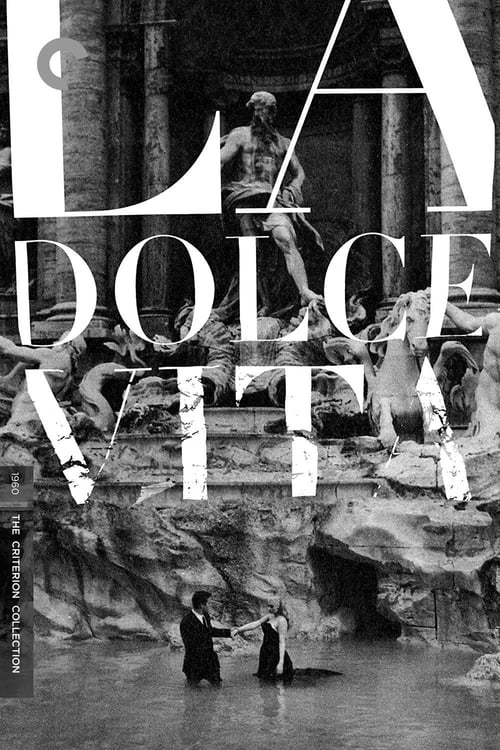
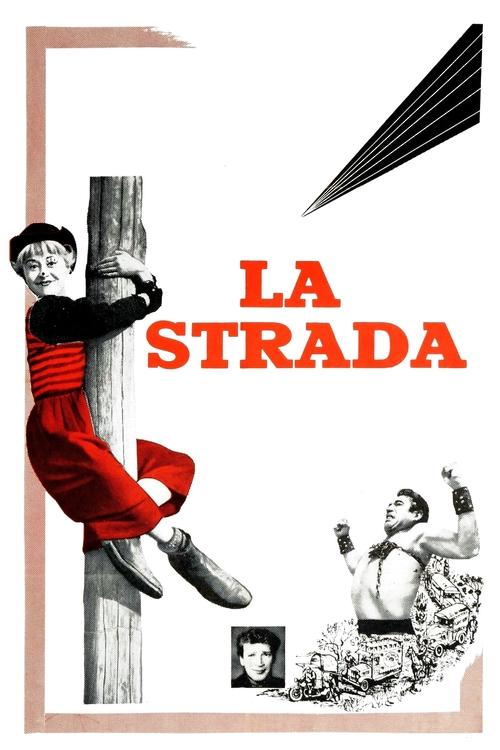
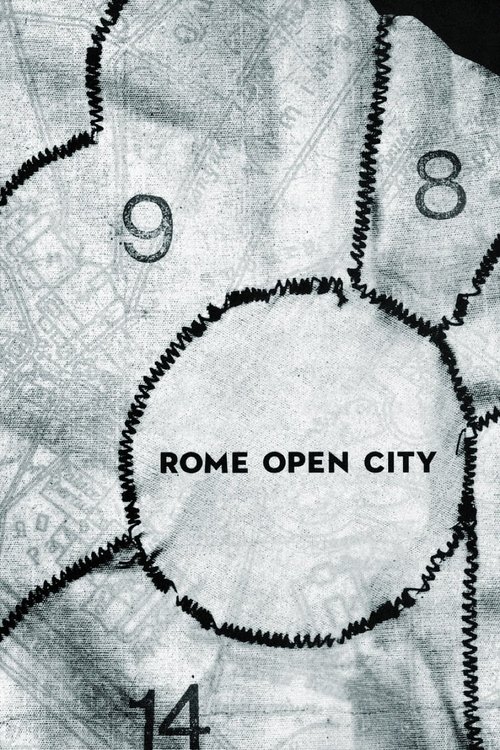
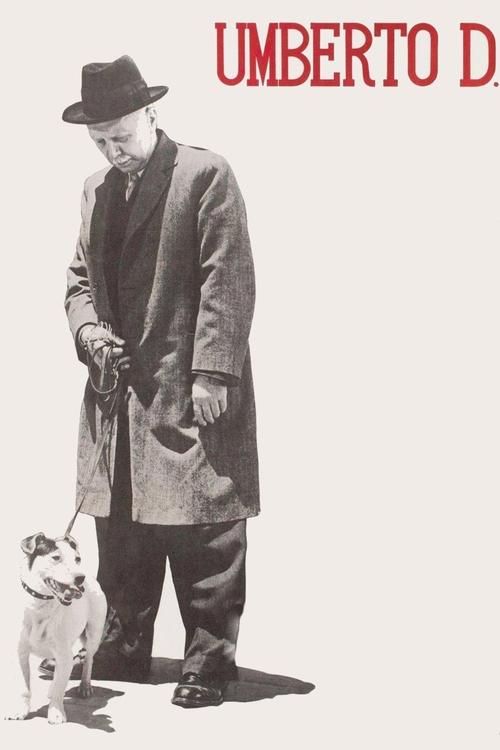
Antonio finds work putting up posters in bombed-out Rome, and on the first morning somebody steals the bicycle the job depends on. Bicycle Thieves then walks him and his small son round the city looking for it. From 1943 Roberto Rossellini, Vittorio De Sica and Luchino Visconti shot in the street with people who had never acted, because the studios were wrecked and the subject was outside anyway: the resistance and the Gestapo in Rome, Open City, a pensioner who cannot find the rent in Umberto D., a widow and five sons off the train from the south in Rocco and His Brothers. Nothing resolves for anybody, and the films take it for granted that you can see why.
fit