british new wave
17 titles · 1958–1963 · United Kingdom
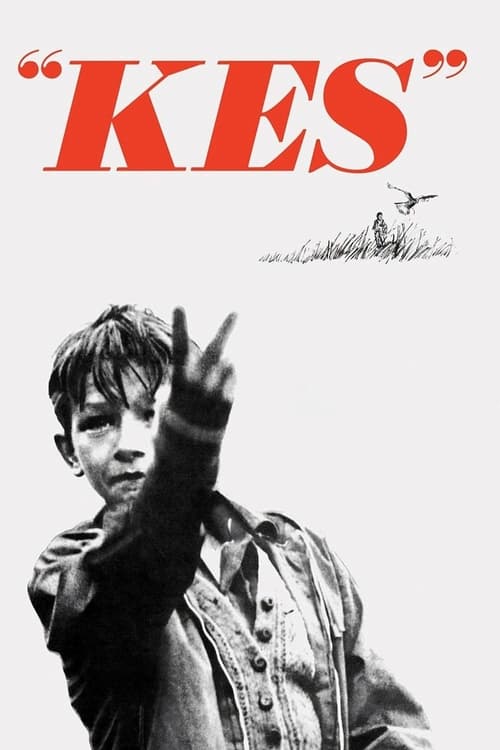
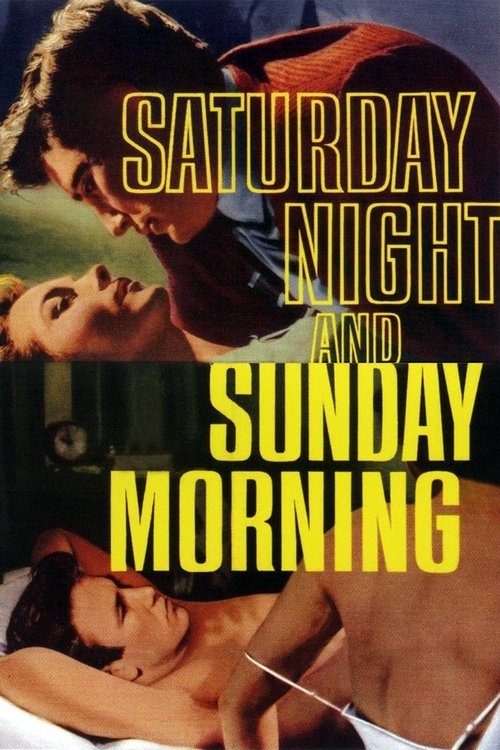
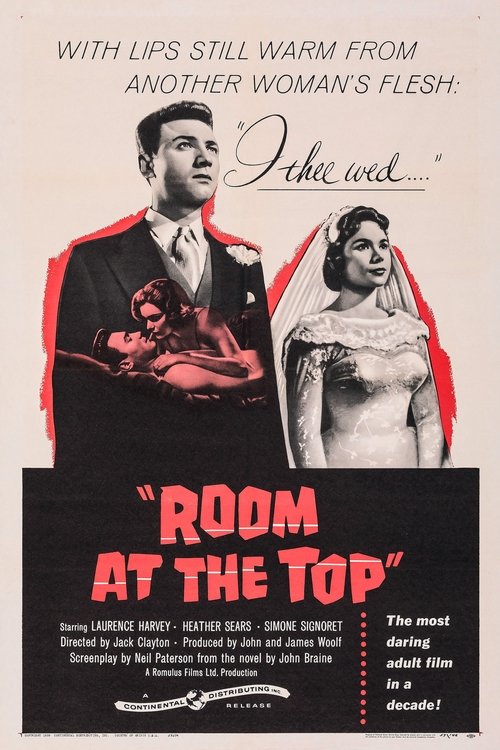
In 1956 the Royal Court staged John Osborne's Look Back in Anger, and reviewers had "angry young man" in print before the run was over. On 5 February that year Lindsay Anderson and Lorenza Mazzetti opened the first Free Cinema programme at the National Film Theatre, with a manifesto claiming for their films "a belief in freedom, in the importance of people and the significance of the everyday". The everyday was the thing British studios had never bothered filming. Rank and ABPC controlled nearly every screen in the country, so when Richardson and Osborne started their own production company, Woodfall, in 1958, they financed their own pictures and took cameras onto real northern streets without waiting for a studio's approval. Woodfall's first subject was a Nottingham lathe operator: Arthur works all week and drinks the wages on Saturday night in Saturday Night and Sunday Morning. The censors gave it an X and Warwickshire banned it for obscenity, which is the measure of what the two circuits had been declining to make. Kes takes the same interest in someone nobody is watching, a fifteen-year-old ignored at home who trains a kestrel. Room at the Top puts the money question outright, with a clerk who works out that marrying the boss's daughter is faster than earning it. You watch people who are good at something with nowhere to put it.