meta fiction
15 titles
Metafiction is fiction that admits it is fiction. The fifteen films here, from Blow Out (1981) to Censor (2021), put books, broadcasts and film shoots inside the plot, or have characters talk to the audience or about the genre they are in.
The writer William H. Gass coined the word in 1970, and the idea is older: in Part Two of Don Quixote (1615), some of the characters have read Part One and already know what Don Quixote and Sancho Panza did in it. The films here come at it three ways.
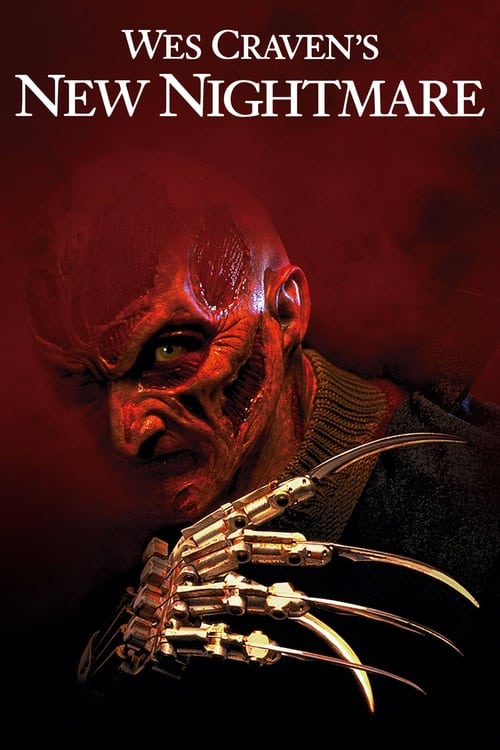
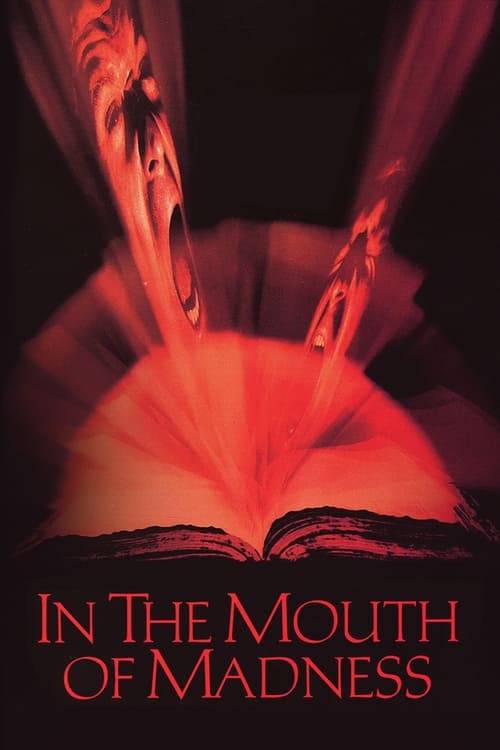
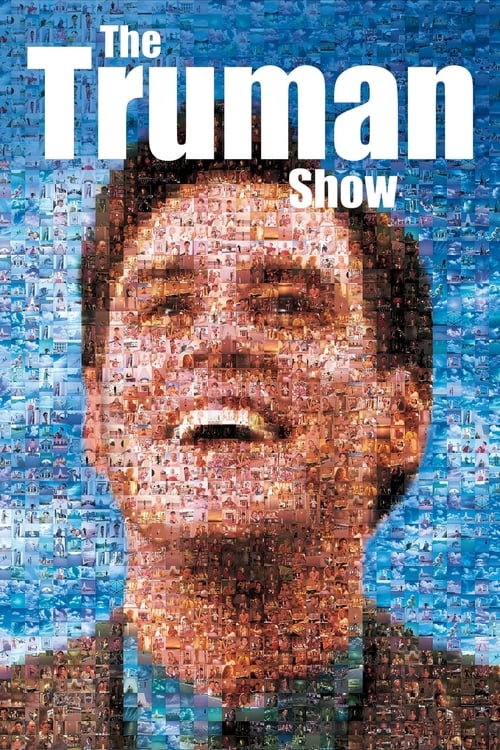
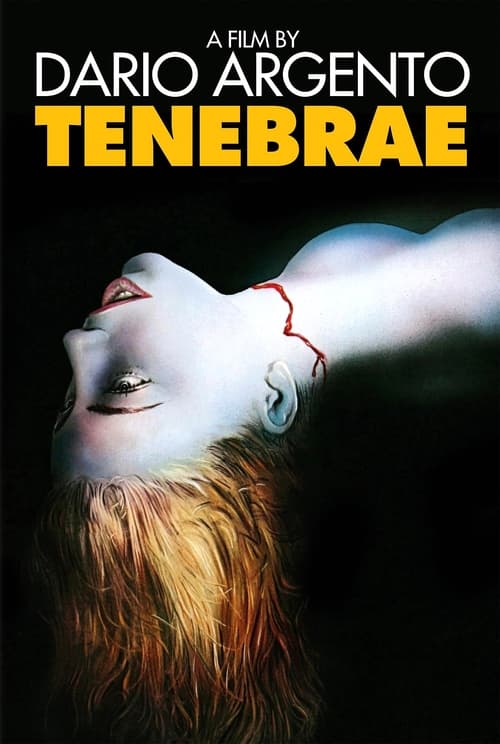
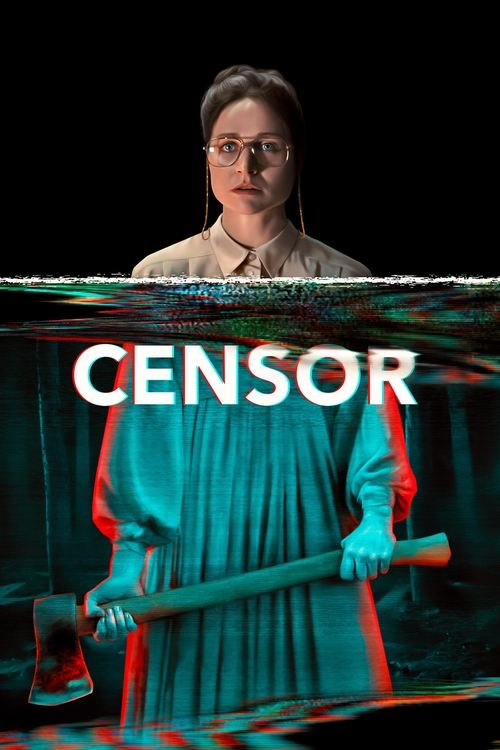
In some, a book, a broadcast or a film gets mixed up with real life. Tenebre (1982) is about a writer whose novels someone is using as the inspiration, and sometimes the means, for murder. In In the Mouth of Madness (1995), an insurance investigator finds that a missing horror novelist's books do far more than inspire. Videodrome (1983) follows the head of a small TV station who wants to buy a feed of torture and murder, and in The Truman Show (1998), an insurance salesman begins to suspect that his whole life is a reality TV show. In Wes Craven's New Nightmare (1994), Heather Langenkamp, one of the stars of A Nightmare on Elm Street, plays herself, and when phone calls start coming from a voice that sounds like Freddy Krueger, she realizes he has entered the real world. Censor (2021) has a film censor screen a horror film that reminds her of her sister's disappearance.
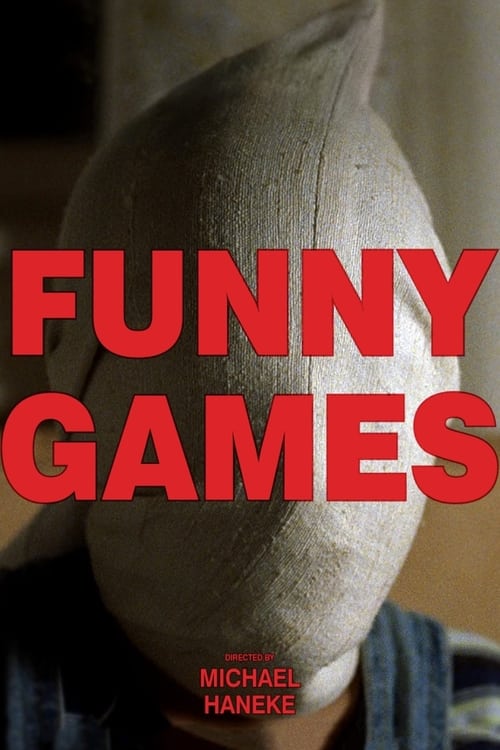
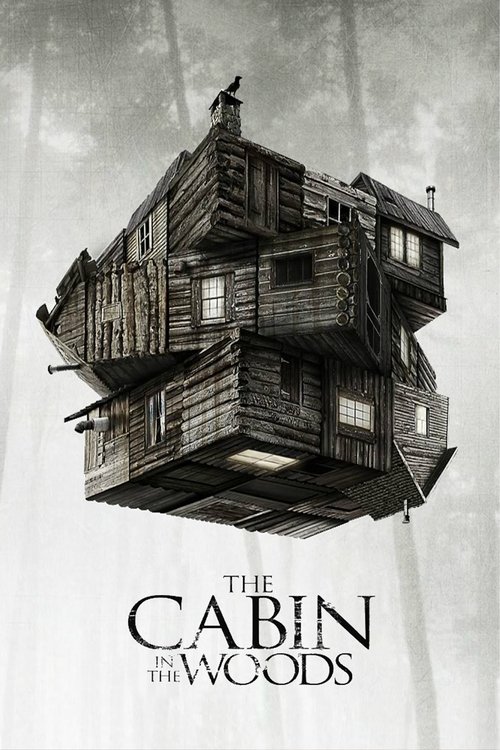
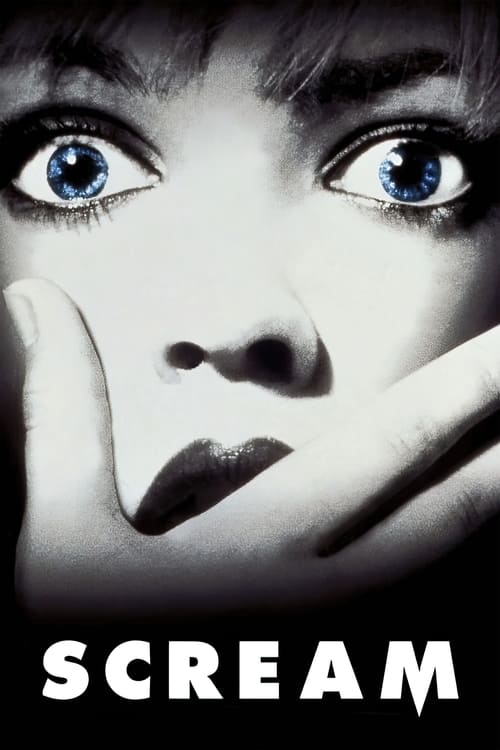
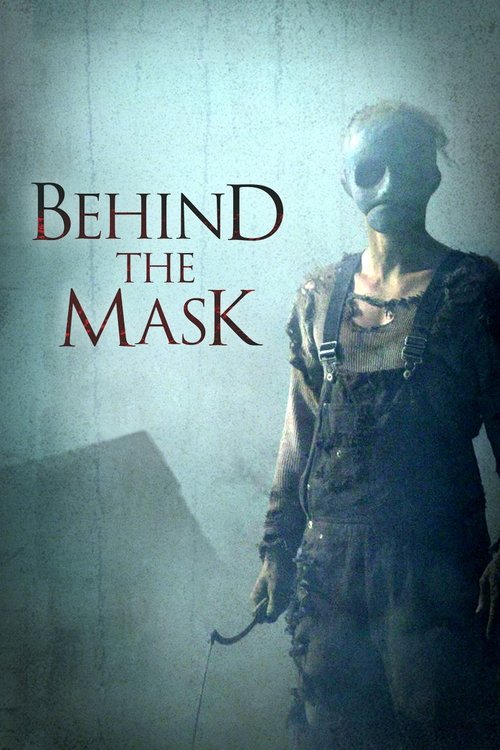
In others the characters talk to the audience or about the genre they are in. In Funny Games (1997), two young men hold a family prisoner in its own house, and one of them turns to the camera and talks to the audience. Scream (1996) has a killer who phones people to ask what their favorite scary movie is. In Behind the Mask: The Rise of Leslie Vernon (2006), a slasher explains the conventions of the horror genre to a documentary crew. The Cabin in the Woods (2012) sends five teenagers to a cabin where a book read aloud in the cellar wakes a family of zombie killers, and its writers described it as an attempt to revitalize the slasher genre.
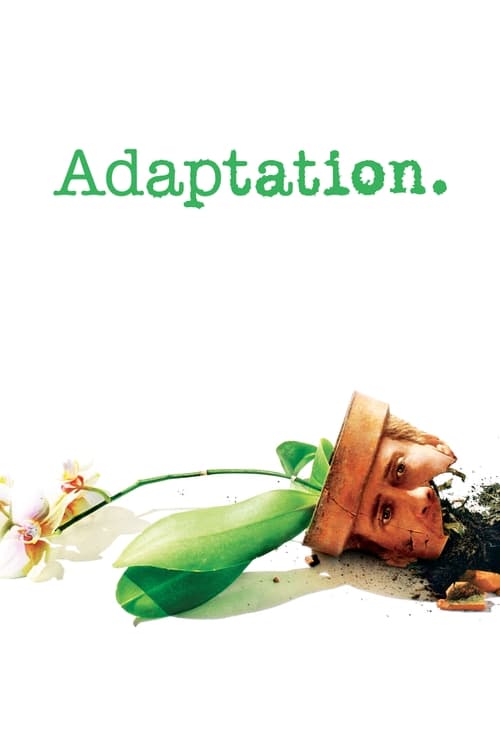
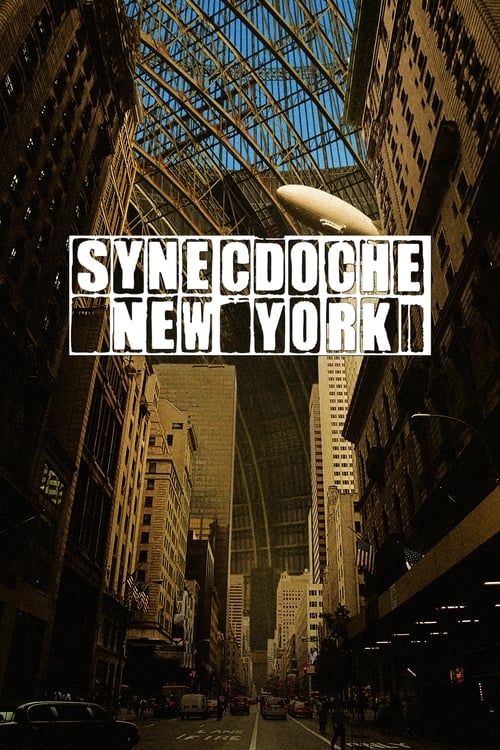
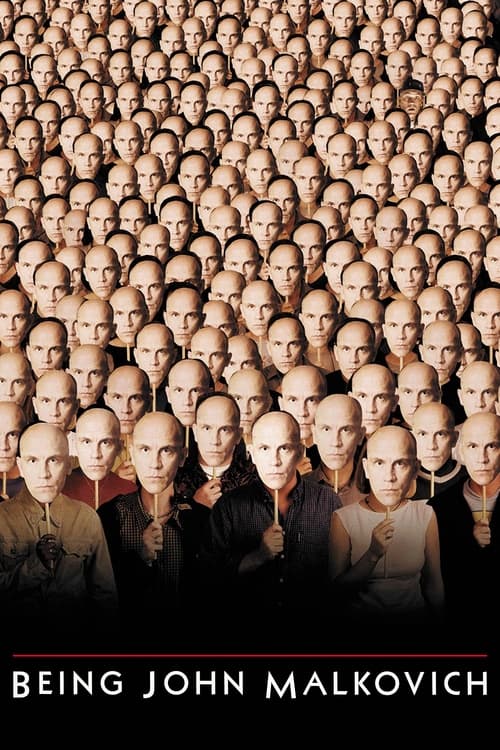
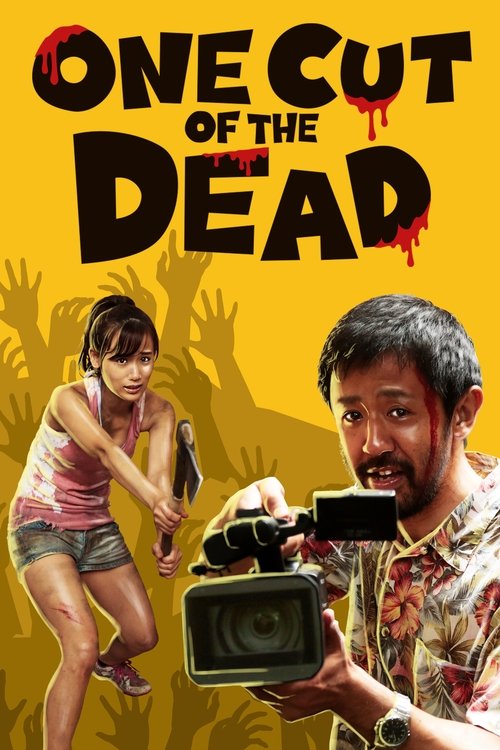
The rest are about making stories. Adaptation. (2002), written by Charlie Kaufman, has a screenwriter named Charlie Kaufman as its main character, hired to adapt a non-fiction book about orchids and struggling to find enough in it to fill a movie. In Synecdoche, New York (2008), a theater director has actors live out their constructed lives in a small model of the city outside, and as the model grows his own life goes off the rails. In Being John Malkovich (1999), a puppeteer who loves the job because it lets him inhabit other people finds a portal into the mind of John Malkovich. In Blow Out (1981), a sound recordist for a slasher film stumbles on a real accident, a car going off a bridge into a river, and in One Cut of the Dead (2017), real zombies attack the crew of a low-budget zombie film.